Hey everyone, I’m based in Madrid, and my baby just turned two months old. I can finally catch my breath. During my pregnancy, I was always lurking on the forums reading everyone’s experiences, and I learned so much. Now it’s my turn to share and answer a frequently asked question: Is ‘postpartum rehabilitation’ actually a thing in Spanish hospitals?
The answer might be different from what many of you from a Chinese background might expect. If you’re hoping for all-inclusive services like those in Chinese ‘zuo yuezi’ (postpartum confinement) centers, or a dedicated ‘postpartum rehabilitation department’ in the hospital offering various instrumental therapies and pelvic floor recovery packages… well, in Spain’s public hospitals, that’s basically nonexistent. The philosophy here leans more towards ‘natural recovery.’ After you give birth, a midwife will teach you some basic pelvic floor exercises, but it’s mostly up to you to do them consistently at home. You’ll have a check-up around 40 days postpartum where the doctor will examine your wound and uterine recovery, but that’s pretty much it.
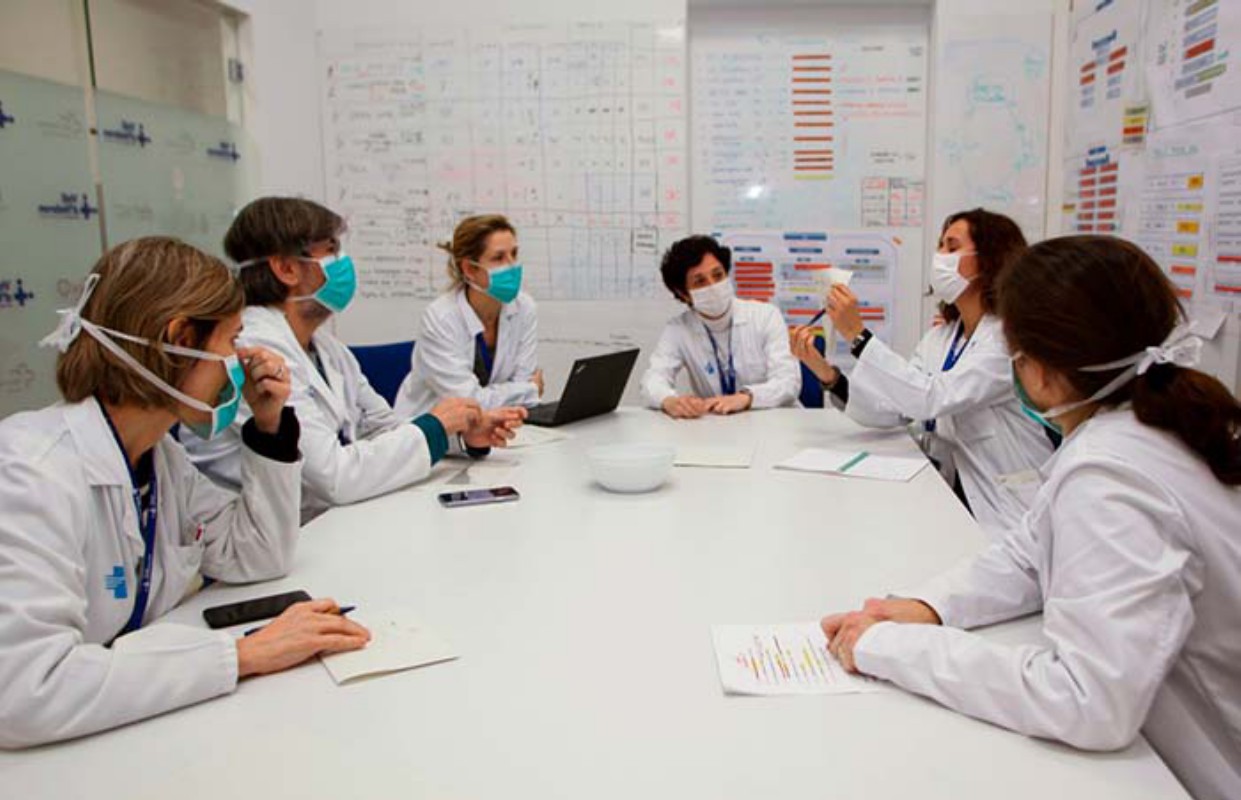
So, does that mean you’re completely on your own? Not entirely. If you experience more significant postpartum issues like urinary incontinence or severe diastasis recti, you can explain the situation to your family doctor (médico de cabecera). They will then assess whether you need a referral to a specialist, such as a physical therapist. However, this process can be quite long. With appointments in the public system, well, you know how it is… By the time you get an appointment, your kid might already be running around.
What about the private system?
Things are much better here! Many women with private insurance, or those willing to pay out-of-pocket, can go to physical therapy clinics specializing in women’s health. These clinics are much more professional. They use specialized equipment to assess your pelvic floor condition and the degree of diastasis recti, and then create a personalized rehabilitation plan. I went through my private insurance to find such a clinic, and I found it very helpful. The therapist provides manual massage, teaches you more targeted exercises, and uses complementary treatments like electrostimulation.
Public vs. Private Postpartum Rehabilitation: A Comparison
To make it clearer, I’ve put together a simple table based on my own understanding. It might not be complete, so feel free to add to it!
| Service | Public Hospital | Private Clinic |
|---|
| Basic Check-up | 40-day postpartum check-up, basic assessment | Comprehensive assessment using specialized equipment |
| Rehabilitation Programs | Mainly self-recovery, taught Kegel exercises | Personalized plan, manual therapy, instrument-assisted treatment |
| Appointment Wait Time | Long wait, potentially several months for rehabilitation in Spain | Flexible and fast, usually available within a week |
| Cost | Free | Out-of-pocket or via private insurance, a single assessment costs around €50-€80 |
The healthcare philosophy in Spain is quite different from that in China. They don’t treat postpartum recovery as a ‘mandatory medical procedure’ unless you have a functional impairment. Therefore, if you want more detailed postpartum care, it’s highly recommended to look into private insurance or find a reliable private physical therapy clinic in advance. I hope my experience helps, and I’d love to hear about the experiences of others in different cities!
