When you first move to Spain, one of the most daunting tasks can be figuring out healthcare. The system here is quite different from what I was used to back home, especially the appointment system, which was confusing at first. After a few hospital visits, I’ve finally gotten the hang of booking appointments in both the public and private systems. I’m sharing this guide to help fellow newcomers avoid some of the common pitfalls.
Booking in the Public Healthcare System
If you are covered by public health insurance (social security), you’ll primarily use the public system. Remember this key point: You cannot book an appointment with a specialist directly
! The only exception is for emergencies. The standard procedure is “GP -> Specialist”.
Booking an Appointment with Your GP (Médico de Familia)
The first step is always to book an appointment with your assigned GP (General Practitioner) at your local health center (centro de salud). There are several ways to do this, so you can choose the one that works best for you:
- Phone Appointment: The most traditional method. Just call the reception at your health center.
- In-Person Appointment: Go directly to the reception desk at your health center and ask for a “Cita Previa” (appointment).
- APP/Website Appointment: This is the method I highly recommend—it’s super convenient! Each autonomous community has its own health app. For example, Andalusia uses “Salud Responde”, and Madrid has “Cita Sanitaria Madrid”. Simply download the relevant app, enter your public health card information, and you can book, cancel, or check your appointments anytime.
Your GP will handle most common illnesses. If they deem it necessary, they will give you a referral to a specialist. As for the waiting time for that… it can be quite unpredictable, ranging from a few weeks to several months.
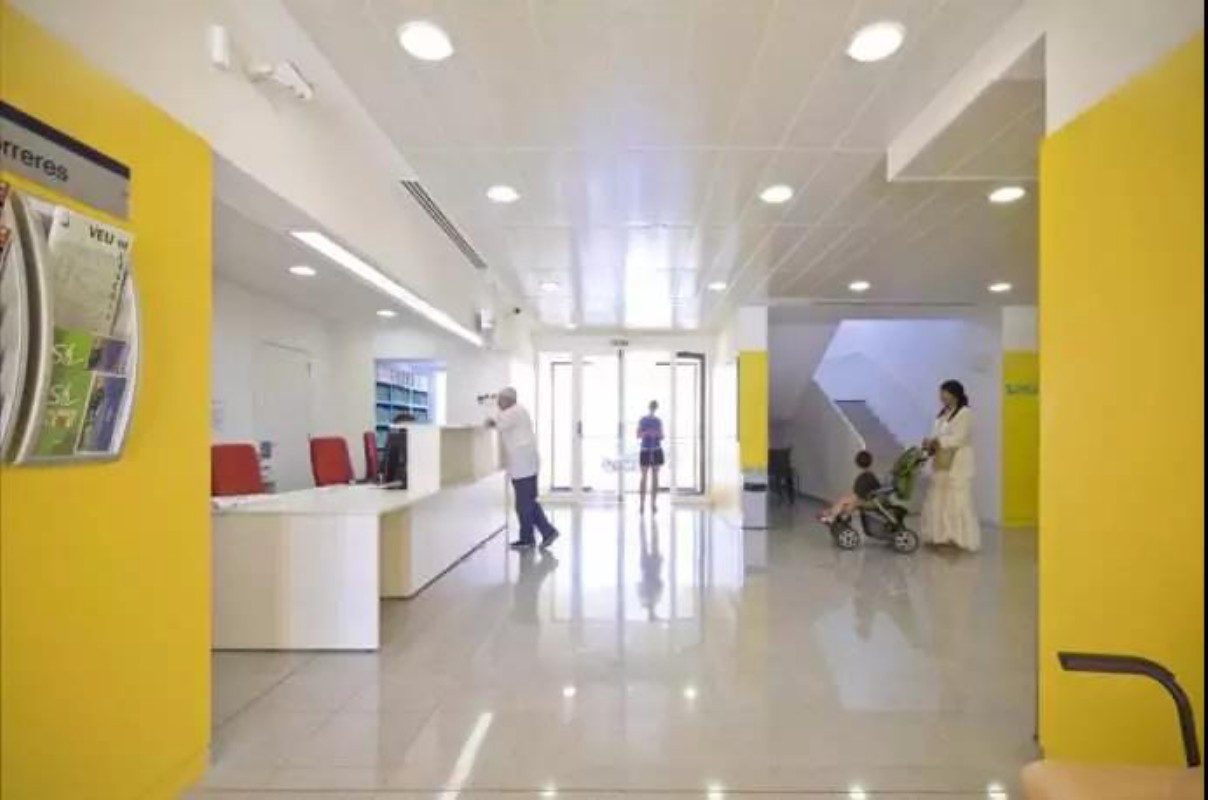
Booking in the Private Healthcare System
If you have private health insurance, like from providers such as Sanitas, Adeslas, or Asisa, getting medical care is much more flexible, which is a great advantage when dealing with procedures like getting a Baja Médica. With private insurance, you can book an appointment directly with any specialist within your insurance company’s network without a GP referral. The waiting times are also significantly shorter; you can usually see a doctor within a few days.
The booking process is also very straightforward:
- Insurance Provider’s APP/Website: Log in to your insurance account, where you’ll find a medical directory (‘cuadro médico’). You can search for doctors or hospitals and book online directly.
- Contacting the Hospital/Clinic Directly: Find the private hospital you want to visit and call them or book on their website. Just provide your insurance company’s name and your policy number.
| Appointment Method | Pros | Cons |
|---|
| Public Healthcare | Free of charge | Long waiting times, rigid procedures |
| Private Healthcare | Fast, more freedom of choice | Requires purchasing private insurance, higher cost |
The public system is suitable for non-urgent routine check-ups and managing chronic conditions, as it’s cost-effective. The private system, on the other hand, is the “fast track” when you need a quick diagnosis and treatment. For newcomers, if your budget allows, I’d recommend getting basic private insurance as a supplement, just in case. After all, your health is the most important thing when you’re living abroad! If anyone has other tips, feel free to share them in the comments below!
