A friend’s family recently faced a difficult situation and needed to know the approximate cost of a bone marrow transplant here in Spain. I did some research and asked a few friends working in the healthcare system, so I’m sharing what I found to help anyone who might need it. Honestly, it’s a heavy topic, but being prepared with information is never a bad thing.
The Core Question: How Much Does It Really Cost?
To get straight to the point: for those of us who are legal residents and regularly contribute to Social Security, if the bone marrow transplant is performed in a public hospital, the entire process—from tests, matching, and surgery to post-operative medication and rehabilitation—is essentially free. Spain’s public healthcare system covers the vast majority of the costs. The Spanish welfare system truly deserves praise for this, as it provides immense support when facing such a serious illness.
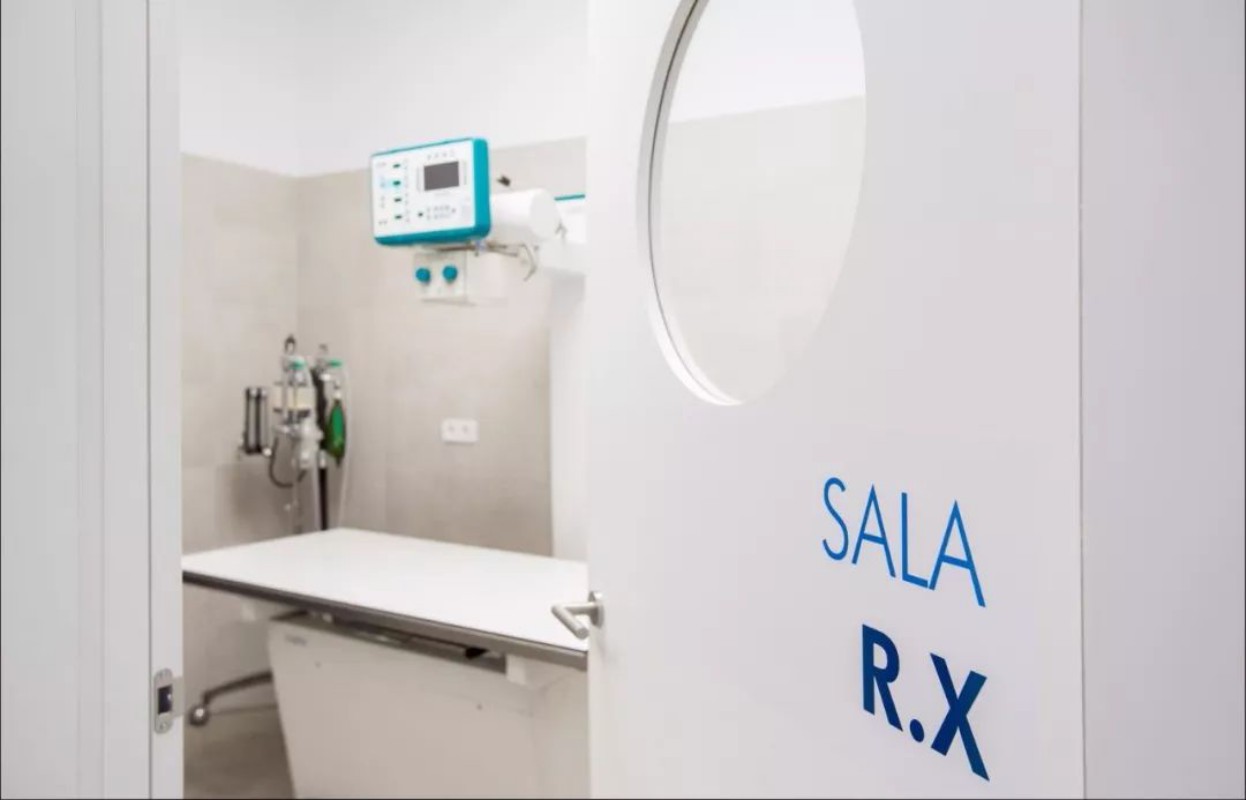
However, if you opt for a private hospital for a bone marrow transplant in Spain, the cost is a completely different story. Based on some data and unofficial estimates I’ve seen, a full transplant procedure can cost between €100,000 and €200,000, or even more. This price includes all personnel, equipment, medication, hospitalization, and so on. The advantages of private care might be shorter waiting times and better amenities and service, but for an average family, this figure is undoubtedly astronomical. Therefore, the vast majority of people choose the public system.
Cost Comparison: Public vs. Private
To make it clearer, I’ve created a simple comparison table. The information is mainly sourced from medical forums and news reports, so it may have discrepancies and is for reference only:
| Item | Public Hospital | Private Hospital |
|---|
| Preliminary Tests & Matching | Mostly Free | Thousands to over €10,000 |
| Surgery & Hospitalization | Mostly Free | Starts from €100,000 |
| Post-op Medication & Rehab | Largely Free | Tens of thousands of euros |
| Total Estimated Cost | Almost Zero | €150,000 - €250,000 |
So, the crucial factor is whether you are covered by Spain’s Social Security and your contributions are up to date. For those without legal residency status or for tourists, the situation is more complex, and the options are generally limited to expensive private healthcare or seeking other alternatives. Additionally, even within the public system, some non-essential items that improve quality of life, such as a private room, may require a special request or an extra fee. I hope this information is helpful, and I wish everyone good health!
