Last week, my recurring migraine flared up again. The pain was so intense the whole world felt like it was spinning, and my usual painkillers had no effect. I just couldn’t bear it anymore, so my family rushed me to the emergency room of a nearby public hospital in the middle of the night. I was quite nervous, having heard so many people complain about how slow the Spanish healthcare system can be. Today, I’m sharing this relatively smooth experience as a reference for anyone who might need it.
Registration and Triage
Upon arriving at the ER reception, the first step is to register at the front desk. You’ll need to present your social security card or private insurance card. The staff will verify your basic information and give you a numbered ticket, directing you to the triage area to wait. Triage is a crucial step where a nurse assesses the urgency of your condition based on your symptoms. Because I had a severe headache accompanied by nausea, I was called in for an assessment fairly quickly. The nurse took my blood pressure and temperature and asked several key questions, like, “On a scale of 1 to 10, how would you rate your pain?” and “Do you have any other symptoms?”. Based on your answers, they decide whether you need immediate attention or can wait.
The Long Wait in the Waiting Area
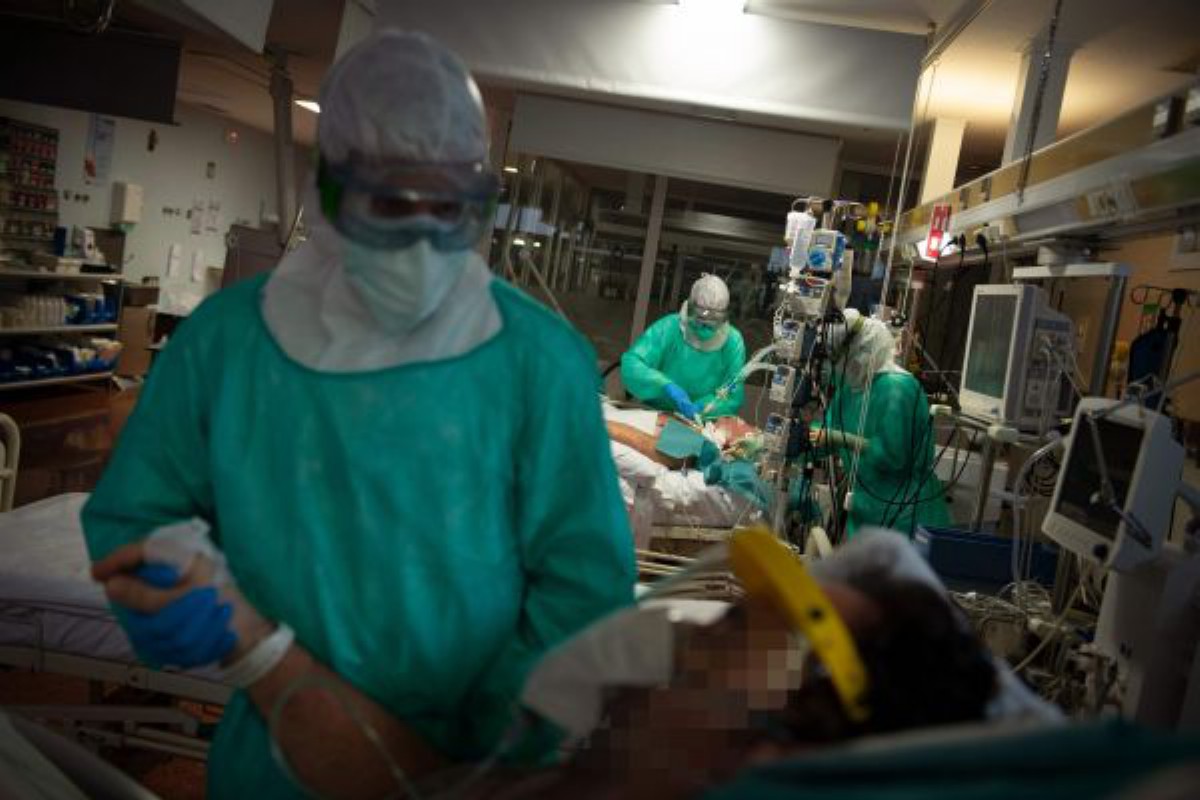
After triage came the waiting. Even though I was classified as a relatively urgent case, there were still several people ahead of me. The ER waiting room was a real slice of life: crying children, a middle-aged man with his arm in a cast, and an elderly woman coughing incessantly from a cold. After about 40 minutes, my name and assigned consulting room number finally appeared on the screen. Honestly, the wait was much shorter than I expected, possibly because I went late at night when it wasn’t at its busiest. When I saw the doctor, he was very patient, asking in detail about my medical history, the triggers for this headache, and my specific symptoms. He also checked my neurological responses by shining a penlight into my eyes. He suspected it was a severe migraine attack but recommended a full check-up to rule out other risks. The whole process was very reassuring. While I needed a moment to process some of the vocabulary related to seeing a doctor in Spain, the doctor’s attitude was very comforting. He explained that while headaches are common, they shouldn’t be taken lightly.
Tests and Treatment Plan
Next came a blood draw and an IV drip. The nurse was very skilled and found the vein on the first try, . I rested in an observation room while receiving medication for the pain and nausea. After about an hour, the medication started to kick in, and my headache significantly subsided. The doctor came to check on me, reviewed the preliminary blood test results, and confirmed there were no major issues. He then gave me a prescription and strongly advised me to see my family doctor for a follow-up the next day.
| Type of Medication | Main Function |
|---|
| Analgésico | Strong painkiller |
| Relajante muscular | Muscle relaxant |
| Protector de estómago | Stomach protector, to prevent stomach irritation from the painkillers |
Overall, my ER experience in Spain was better than I expected. While waiting is unavoidable, the entire process was well-organized, and the medical staff were professional and responsible. My advice is: unless it’s a life-threatening emergency, try to book an appointment with your family doctor first. But if you’re in unbearable pain like I was, don’t just tough it out—go straight to Urgencias! I hope everyone stays healthy and never has to use this article!
