When I first came to Spain, I heard that being a pharmacist was an excellent profession—stable, respected, and with a decent income. Lately, it seems more people on forums are discussing this career path, especially those aiming to work in hospitals. I happen to have a friend who has passed the FIR exam and is currently doing rotations in a public hospital. Based on the information he’s shared and what I’ve gathered, I’ll break down the real situation for hospital pharmacists in Spain for you.
How Difficult Is It to Become a Hospital Pharmacist?
First, let’s be clear: if you want to become a pharmacist in a public hospital in Spain, you almost certainly have to get through the major hurdle of the FIR (Farmacéutico Interno Residente) exam. It’s similar to the MIR exam for doctors and is the only way to become a specialist pharmacist. Every year, thousands of pharmacy graduates compete for just a few hundred spots, so you can imagine how difficult it is. If you pass, you become a resident pharmacist and begin a 4-year period of training and rotations, during which you receive a salary.
Private hospitals are a bit more flexible and don’t strictly require the FIR, but having FIR experience is definitely a huge advantage. However, positions in private hospitals are also scarce, and the competition is just as fierce. So, this path has a high barrier to entry from the very beginning.
What Are the Salaries Really Like?
Of course, what everyone is most concerned about is the income. This varies by career stage and whether it’s a public or private institution. Based on data from some job sites and my friend’s experience, like these hospital pharmacist job postings, I’ve compiled a general range for your reference:
| Position Type | Monthly Salary Range | Notes |
|---|
| FIR Resident Pharmacist | €1,200 - €1,800 | Increases annually; higher with on-call duty pay. |
| Public Hospital Specialist Pharmacist | €2,500 - €3,500 | Starting salary after completing FIR; increases with experience. |
| Private Hospital Pharmacist | €2,200 - €3,000 | Starting pay may be lower; raises depend on performance and hospital profitability. |
| Senior/Supervisory Pharmacist | €4,000+ | In both sectors, reaching management brings a substantial income. |
Overall, this income is in the upper-middle range in Spain. While it might not match the salaries of top IT professionals or corporate executives, its main advantage is that it’s extremely stable. This is especially true in public hospitals, where a position is practically a job for life with very little risk of unemployment. Moreover, the social status is genuinely high, and pharmacists are highly respected professionals.
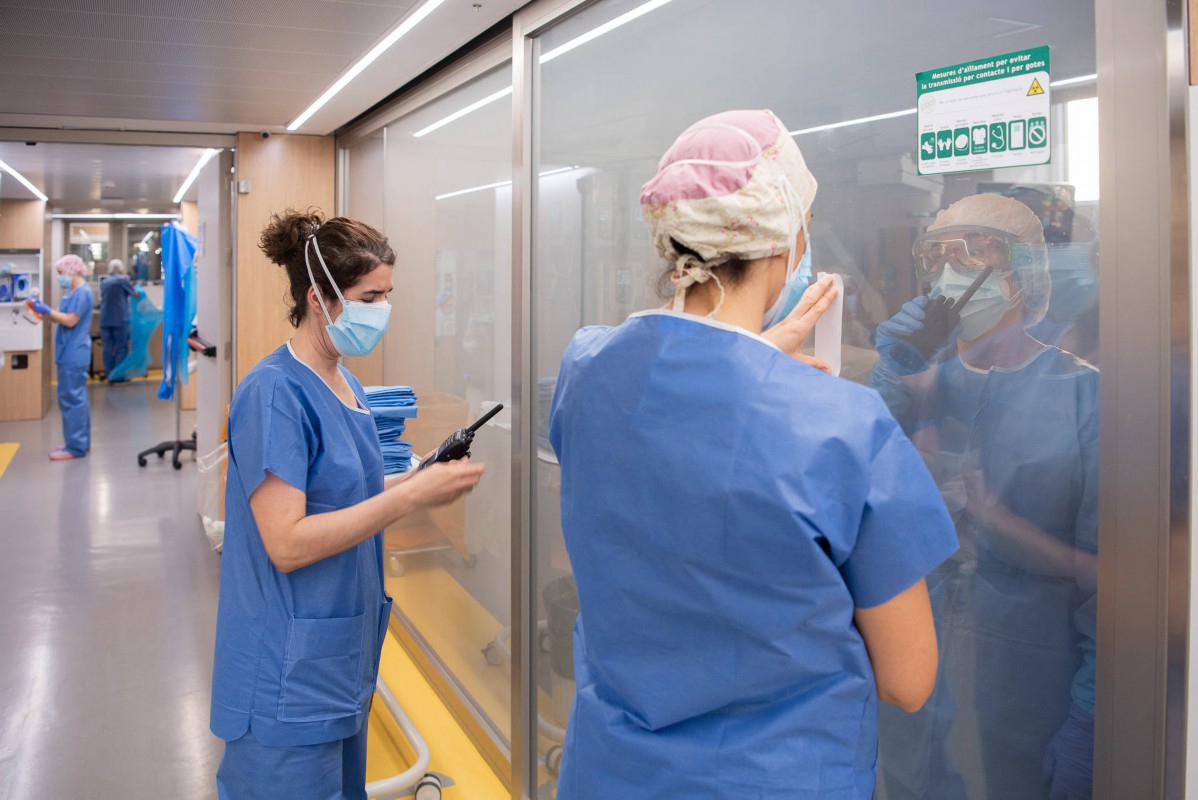
In terms of work intensity, it’s significantly greater than that of a community pharmacist. The pace in a hospital is fast, and the responsibilities are heavy. You’re in charge of the entire hospital’s drug procurement, management, and dispensing, and you also participate in clinical consultations to provide medication advice to doctors. On-call duties are also common, but the extra pay for them serves as a nice additional income. The upside is the high level of professionalism; you get to work with cutting-edge drugs and treatment protocols, which brings a great sense of professional fulfillment.
Finally, I want to say that while being a pharmacist is indeed an excellent career choice in Spain, it is by no means an easy path. It requires a significant investment of time and energy in studying and passing exams in the early stages. If you are truly passionate about pharmacy and not afraid of a challenge, then a career as a hospital pharmacist can offer you more than just a stable income; it provides a sense of professional recognition and the satisfaction of helping patients. I hope this information is helpful! Anyone with more insights is welcome to add to the discussion!
