I haven’t been in Spain for long, but I often get questions from friends back home or newcomers here: ‘What are Spanish universities really like? What tier are they? How do they compare to the top universities in my country?’ It’s a classic question that almost every international student asks. Today, I’m starting this thread to share my perspective on Spanish universities, just as a fellow student. This is purely my personal take, and I welcome everyone to join the discussion and add their own insights!
First, Let’s Talk About World Rankings
Many students start their school selection process by looking at world university rankings like QS and THE. When they look at Spain, it might seem like only a few—like the Autonomous University of Barcelona, University of Barcelona, Autonomous University of Madrid, and Complutense University of Madrid—make it into the world’s top 200, which can give the impression that they aren’t ‘top-tier’. However, there’s a common misconception when it comes to Spanish university rankings: that rankings are everything. Spanish universities are often ‘specialists.’ Their overall rankings might not always be sky-high, but in specific fields, they are world-class and offer incredible value for money.
Strengths Beyond the Overall Rankings
So, where do Spanish universities excel? Business, humanities, social sciences, art, architecture, and tourism management are some of their strongest suits. For instance, the top three business schools—IE, ESADE, and IESE—are renowned throughout Europe and the world, with aspiring business students competing fiercely for a spot. Similarly, the architecture program at the Polytechnic University of Madrid, economics at Pompeu Fabra University, and Spanish philology at the University of Salamanca are benchmarks in their respective fields. Therefore, when choosing a school, don’t just focus on the overall rankings; subject-specific rankings are much more insightful!
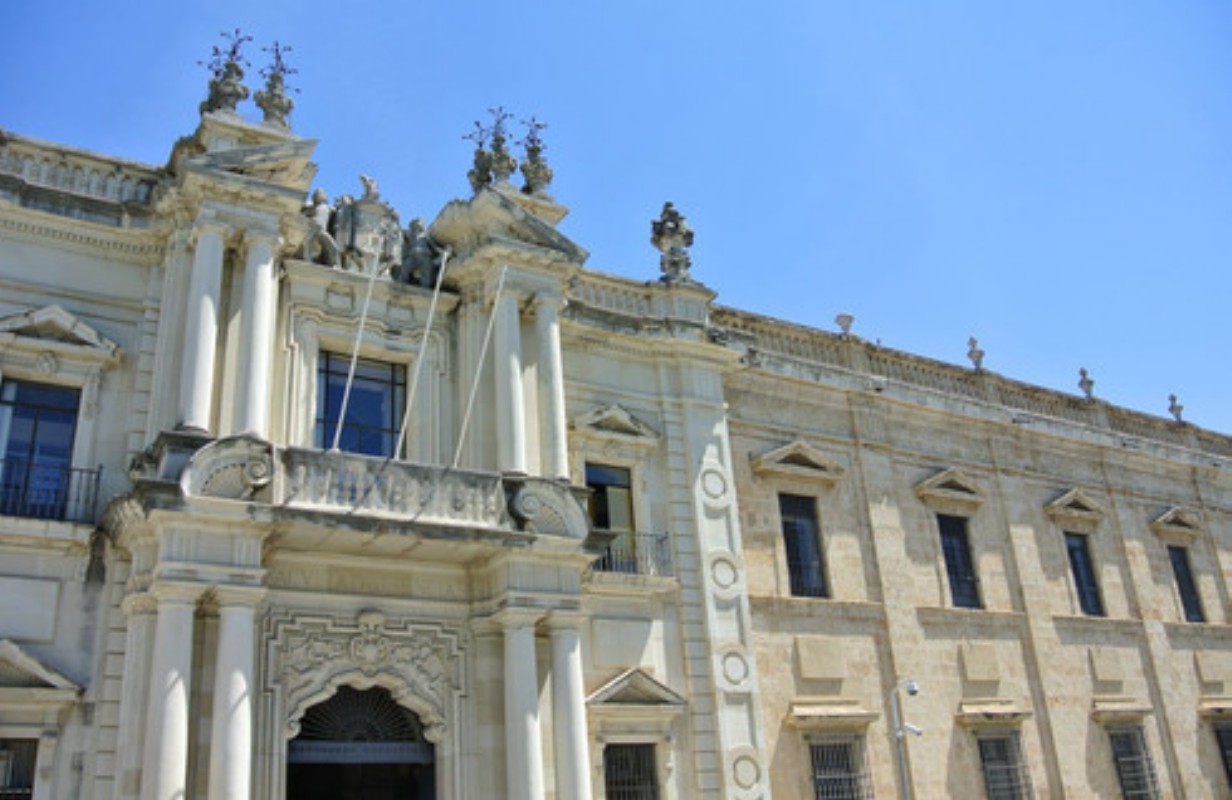
To make it more visual, I’ve put together a simple table of some frequently asked-about public universities and their areas of strength:
| University Name | City | Strong Fields/Majors |
|---|
| Complutense University of Madrid | Madrid | Dentistry, Communication, Veterinary Science, Pharmacy, Linguistics |
| Autonomous University of Barcelona | Barcelona | Veterinary Medicine, Sociology, Education, Archaeology |
| Pompeu Fabra University | Barcelona | Economics & Econometrics, Law, Political Science |
| Charles III University of Madrid | Madrid | Economics, Business, Library & Information Management |
Public or Private? And What About Recognition Back Home?
Public universities in Spain offer low tuition fees and guaranteed quality education, making them the top choice for most international students. Private universities are more expensive, but institutions like the three business schools mentioned above are private and offer an elite education. As for recognition when you return to your home country, you don’t need to worry. As long as a university is officially recognized by the Spanish Ministry of Education, its degree is recognized by education authorities worldwide. Corporate HR departments are also generally familiar with the standing of major Spanish universities.
The ‘tier’ of Spanish universities can’t be generalized. They may not have as many world-famous ‘super-universities’ as the US or the UK, but they represent a hidden gem of educational value. The key is whether your choice of major and personal career goals align with a university’s strengths. I hope this post has been helpful as a reference. I also welcome current students to share their real experiences and offer some guidance to future students!
