My wife has been urging me to finalize our child’s secondary school choice. We moved to Spain a few years ago, and our kid has been attending a local public school and is fluent in Spanish. However, considering that future university options might not be limited to Spain, we’ve started seriously looking into international secondary schools here.
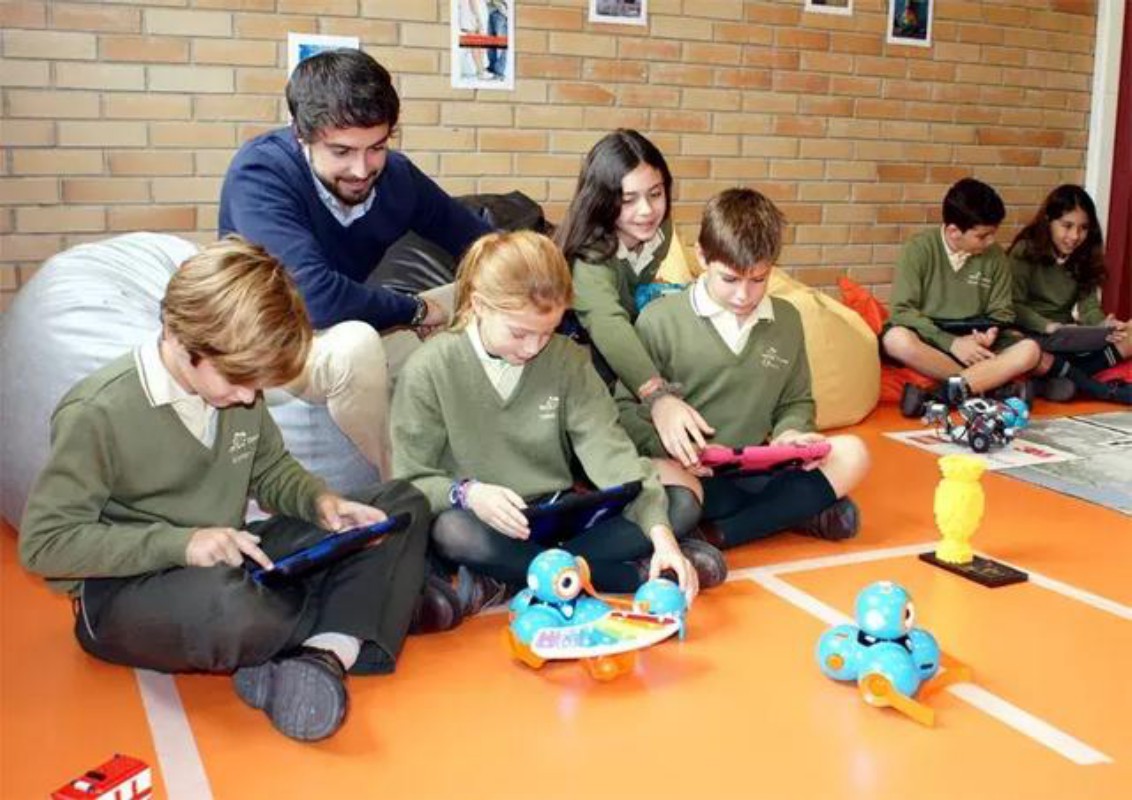
After some research, I’ve realized it’s a pretty complex landscape. Similar to international schools in other countries, the ones in Spain are quite varied. The main curriculum systems are the IB, the British A-Level, and the American system. The IB system seems to be the most recognized across Europe, promoting ‘holistic education’ and requiring strong comprehensive skills from students. The A-Level system is more of a specialized approach, where students can choose 3-4 subjects to study in depth at [Spanish international schools]. The American system is more flexible and is ideal for families aiming for universities in North America. My child isn’t an all-rounder, so the A-Level system seems like a better fit. But then I hear that IB graduates have a wider range of university application options, which leaves me tearing my hair out struggling to decide.
Curriculum System Comparison
I’ve put together a simple table comparing the key features of the main curriculum systems for your reference. It may not be completely accurate, so feel free to correct me.
| Curriculum System | Key Features | Suitable For | Main University Destinations |
|---|
| IB | Comprehensive curriculum, balanced arts & sciences, focuses on critical thinking and research skills | Well-rounded, self-motivated students without strong subject biases | Top universities worldwide, especially favored in Europe and North America |
| British System | Highly specialized, students focus on 3-4 strong subjects | Students with clear goals and strong specific subjects | UK, Commonwealth countries, and some European/US universities |
| American System | Flexible course selection, aligned with US high school curriculum, offers advanced placement credits | Adaptable students aiming for US universities | Primarily universities in the US and Canada |
Besides the curriculum, the other major concern for everyone is definitely the tuition fees. I was shocked when I saw the prices. The top international schools in Madrid and Barcelona can easily exceed €20,000 a year after including registration fees, lunch, school bus, and other miscellaneous costs. Of course, there are some more affordable options, around €10,000. This is certainly a significant expense. So when choosing a school, besides looking at rankings and university acceptance rates, it’s important to also thoroughly investigate the school’s facilities, faculty, and campus culture—and even details like the [Spanish international school uniforms]—to make sure the money is well spent.
Finally, I’d like to ask the experienced members on this forum: does anyone have children currently attending an international secondary school? How is the experience? Are there any particular pitfalls to watch out for during the application process? For example, are the interviews difficult, and are there any requirements for parents? We are currently leaning towards a few schools in the north of Madrid, such as Runnymede College or The English Montessori School, but the tuition fees for Spanish international schools are a major consideration. If any neighbors are familiar with them, I would be very grateful for some first-hand information! Thanks a million!
