Hi everyone, I’ve been a long-time lurker on this forum. I’ve noticed many posts about life and travel, so today I wanted to discuss something a bit more academic: studying Biological Sciences or Biotechnology at a university in Spain. I made my fair share of mistakes along the way, so I hope my experience can serve as a guide for future students and help you avoid some pitfalls.
Why Choose to Study Biology in Spain?
Many might think the UK or the US are the go-to places for biology, but Spain is actually quite strong in the field of biological sciences, especially in marine biology, botany, and certain areas of biomedical research. Spain boasts one of Europe’s most diverse ecosystems, from the Atlantic to the Mediterranean, from the Pyrenees to semi-arid regions, providing a unique natural laboratory for biological studies. Furthermore, compared to the UK and the US, the tuition and living costs at Spanish universities for life sciences are much more affordable. It’s truly great value for money.
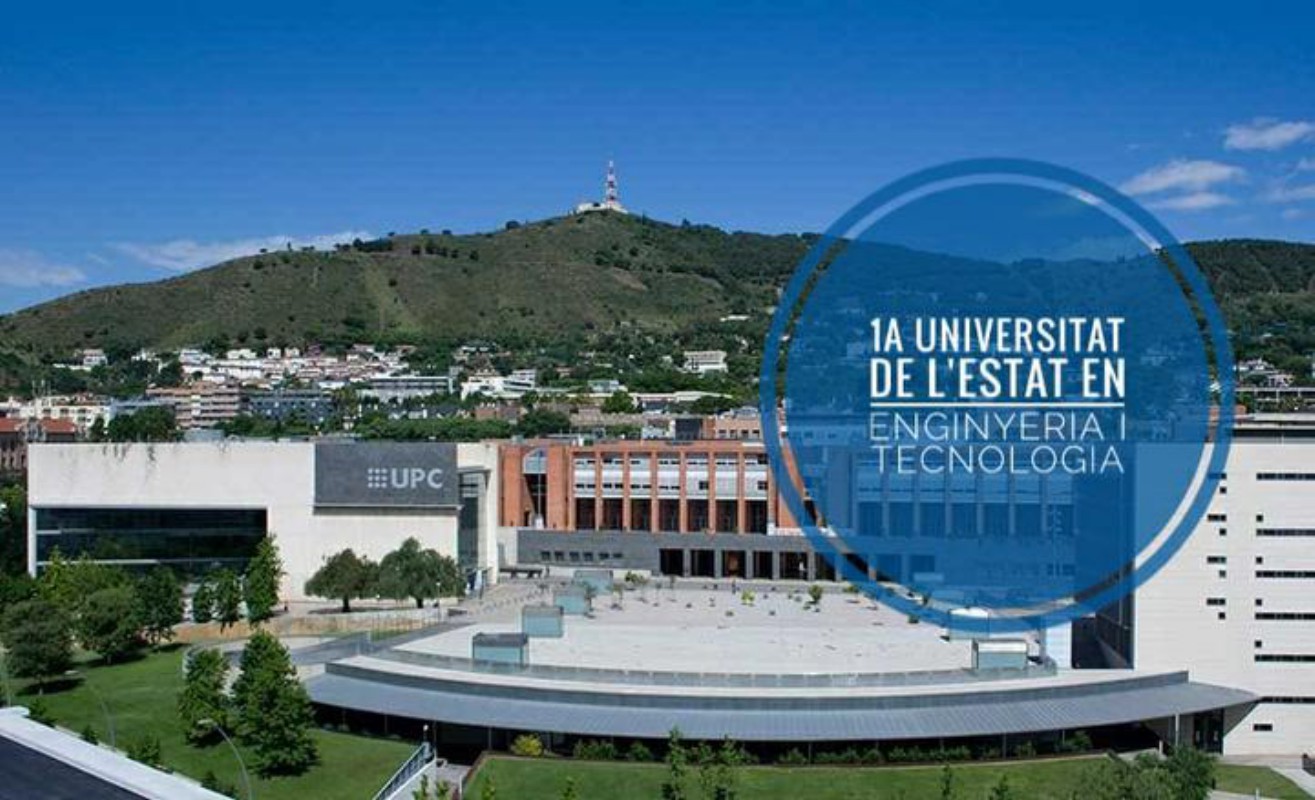
Recommended Universities
Choosing a university is a top priority. In general, public universities in Spain have solid biological sciences programs, but each has its own specializations. Here are a few I’m familiar with, which you can explore further based on your interests.
| University | Region | Strengths / Specialization |
|---|
| Complutense University of Madrid | Madrid | Strong overall, especially in genetics and biochemistry |
| University of Barcelona | Barcelona | Renowned for biomedical and neuroscience research |
| University of Valencia | Valencia | Strong in plant biology, ecology, and evolutionary biology |
| University of Granada | Granada | Has a strong faculty of biotechnology and health sciences |
As for the curriculum, be mentally prepared: it’s genuinely tough. The first two years are packed with foundational courses like chemistry, physics, math, cell biology, and genetics. The scope is broad, the difficulty is high, and the failure rate isn’t low. Starting from the third year, you’ll delve into more specialized areas, and the number of lab sessions skyrockets. Spending entire weeks in the lab becomes the norm, writing lab reports until you’re burnt out—the kind of intense work you’d find at the Spanish nanoscience universities. The upside is that you’ll develop very strong hands-on skills, and what you learn is well-grounded through the combination of theory and practice. One thing to complain about, though… some professors’ accents really take some getting used to.
Career Paths After Graduation
Finally, let’s talk about the topic everyone is most concerned about: job prospects. To be honest, finding a good, relevant job right after graduating with a bachelor’s in biological sciences is quite difficult, not just in Spain but throughout most of Europe. Most students choose to pursue further education, either an official master’s degree or a Ph.D. At the master’s level, you can choose more applied fields like biopharmaceuticals, food science, or environmental management, which broadens your job opportunities significantly. If you are determined to pursue a career in research, a Ph.D. is essential. Of course, some graduates switch careers to data analysis, become pharmaceutical representatives, or work in the public sector. After all, all roads lead to Rome.
Studying biology in Spain is a path that requires passion and perseverance. I hope my sharing has been helpful. If you have any questions, feel free to leave a comment below to discuss!
