Lately, I’ve been feeling completely overwhelmed with finding the right school for my child. We’re based in Madrid, and with my little one approaching school age, we’ve explored public, private, and semi-private (concertado) schools. In the end, we’ve decided to focus on international schools. The primary drivers for this decision are the multilingual environment and the diverse university pathways they offer, especially since it’s still uncertain which country my child will attend university in.
But this has led to a new dilemma. The variety of international school systems in Spain is quite extensive, and the mainstream options—British, American, and IB—have thrown me, as a mom, into a state of total indecision. Each system has its merits, but I’m worried about making the wrong choice and negatively impacting my child’s future. I’m starting this post to share what I’ve learned so far, hoping to get the ball rolling and hear from more experienced parents.
A Basic Understanding of Each System
The British System
My impression of the British education system is that it’s highly ‘specialized,’ ideal for children who have already pinpointed their interests and future career path. At the A-Level stage, students select just 3-4 subjects, allowing for deep, focused study at their international school. If your child is a physics whiz or passionate about history, they’ll likely thrive on this path, something you might discuss during the parent interview. The downside is also obvious: if a child has broad interests or is undecided about their future, this model’s narrow focus can be limiting, and the pressure can be a source of conflict—sometimes even leading to parents fighting.
The American System
The American system, to me, feels ‘broad.’ It offers a very rich selection of courses, encouraging students to explore different fields and develop well-rounded skills and creativity. The AP (Advanced Placement) courses allow students to earn college credits in advance, which is a significant advantage when applying to US universities. However, its curriculum isn’t as standardized as the IB’s, placing a higher demand on the school’s own curriculum development capabilities. Also, the overall atmosphere seems more free and dynamic, which makes me wonder if it’s a good or bad thing for a child who isn’t particularly self-disciplined.
The IB System
The IB system sounds the most ‘prestigious’ and also the most ‘intense.’ It emphasizes a holistic education, balancing both arts and sciences, and places very high demands on a student’s academic abilities, spirit of inquiry, and independent thinking skills. The core components—CAS (Creativity, Activity, Service), the Extended Essay (EE), and Theory of Knowledge (TOK)—sound daunting just by their names. The main advantage is its high level of global recognition, making it a ‘gold standard’ for university admissions worldwide. The downside is that the academic pressure on students is immense, requiring strong time management and all-around skills.
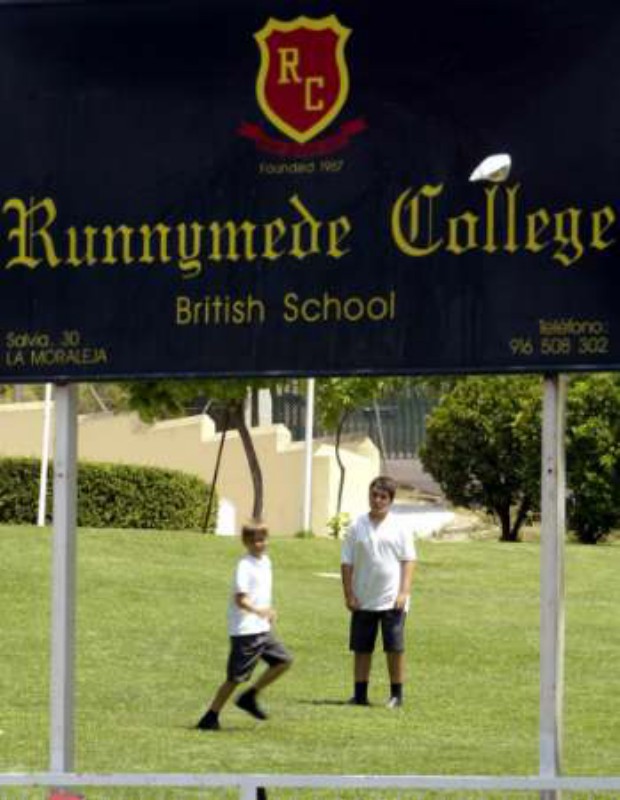
Here is a simple comparison table I’ve put together. It might not be perfectly accurate and is based on my personal understanding:
| System | Focus | Best For | University Admission Advantage | Challenges |
|---|
| British | Depth, Specialization | Students with clear goals & special talents | Applying to UK/Commonwealth universities | Relatively narrow scope of knowledge |
| American | Breadth, Exploration | Students with broad interests, all-rounders | Applying to US universities | Less standardized than IB |
| IB | Balance, Inquiry | Strong, self-disciplined all-rounders | High recognition by universities worldwide | Immense academic pressure |
After all this, I’m honestly still undecided. I believe every child is unique, so there isn’t a single ‘best’ system, only the ‘most suitable’ one. Our child is quite active and curious but has a tendency to lose interest quickly. Do any parents here have suggestions? Which system is your child in? What has your real-life experience been? I’d love to hear your thoughts and advice. Thank you all in advance!
