As a newcomer to Spain, I’ve been wrestling with the overwhelming task of choosing a school for my child, especially with the dizzying array of international schools available. After a lot of research and talking to friends, I’ve put together my findings and personal experiences to help other parents who are in the same boat.
Main International School Curricula
International schools in Spain primarily follow one of three main systems: British, American, or the IB curriculum. While you can also find French, German, and other systems, these three are the most common. The best choice largely depends on your child’s future academic and career path.
British Schools: These schools follow the National Curriculum for England. They tend to be more structured with a strong focus on academic rigor, making them an excellent choice for students planning to attend university in the UK or other Commonwealth countries. The curriculum feels similar to a more traditional education model, emphasizing in-depth knowledge of core subjects.
American Schools: Following the U.S. curriculum, students graduate with an American High School Diploma, and many schools also offer Advanced Placement (AP) courses. The atmosphere in American schools is typically more liberal and open, encouraging students to explore their personal interests through a wide variety of extracurricular activities. This is naturally the top choice for students aiming for universities in the United States, making it a key consideration when looking at international primary schools in Spain.
IB Schools: The International Baccalaureate (IB) is a highly regarded, independent curriculum not tied to any single country, and it enjoys worldwide recognition. It’s structured into the Primary Years Programme (PYP), Middle Years Programme (MYP), and the Diploma Programme (DP). The IB places a strong emphasis on developing well-rounded students with a global perspective. It is academically demanding and can be high-pressure, but the reward is an IB Diploma, which is a golden ticket for applying to top universities around the world.
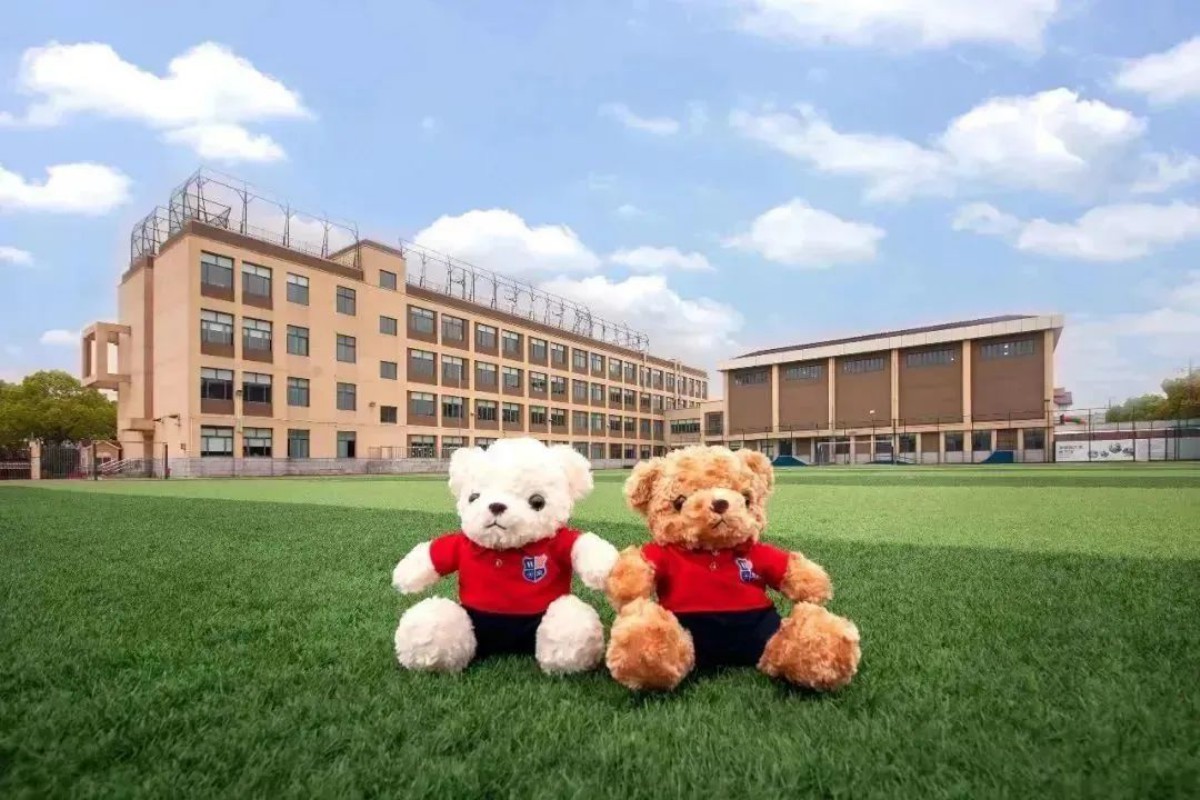
How to Choose the Right School for Your Child?
Beyond the curriculum, here are a few other key factors I think are important to consider:
- Budget: The tuition fees for international schools can vary significantly, ranging from around €10,000 to over €30,000 per year. It’s crucial to filter your options based on what you can comfortably afford to avoid unnecessary financial stress.
- Location: Proximity to home is incredibly important! A daily commute of one or two hours can be exhausting, especially for younger primary school children. Unless the school offers a reliable bus service, I would strongly prioritize schools closer to home.
- School Atmosphere: If possible, try to attend a school open day to get a feel for things like Spanish school uniforms, or schedule a campus tour. Experience the environment and facilities firsthand, observe the students and teachers, and see if the overall vibe is a good fit for you and your child. While you’re at it, you can also get a better sense of the international school fees. Personally, I place a high value on a diverse campus and a strong sense of community.
I’ve compiled the information I gathered into a simple table for easy comparison. Keep in mind this is just a general overview, as each school has its own unique characteristics.
| Curriculum | Pros | Cons | Best for Universities In |
|---|
| British | Academically rigorous, strong foundation | Less flexible subject choices | UK, Commonwealth countries |
| American | Liberal and open, rich in activities | May be less academically structured | USA, Canada |
| IB | Globally recognized, develops all-round skills | High academic pressure, higher cost | Top universities worldwide |
Choosing a school is a major undertaking. There’s no single ‘best’ school, only the ‘best fit’ for your child. It’s important to research, ask questions, compare your options, and listen to your child’s opinion. I hope everyone finds the perfect school for their little one! Experienced parents, please feel free to add your own insights and join the discussion!
