I’ve recently had friends ask me what it’s really like to study medicine in Spain. To be honest, it’s definitely a ‘path for the brave’. In Spain, doctors are highly respected, enjoy stable incomes, and are considered part of an elite profession. But for that very reason, getting into a public university’s medical program is arguably the most difficult of any degree. In one word: tough. In two words: extremely tough.
The “Make-or-Break” Line: The Nota de Corte
The first hurdle is the university entrance score, the Nota de Corte. The cut-off scores for medicine are consistently the highest, reaching almost astronomical levels. On a 14-point scale, most reputable public university medical schools require a score above 13, some even pushing 13.5. This means you can afford almost no mistakes in your high school and university entrance exams; every single point is critical. For international students, meeting this standard through grade conversion is a monumental challenge, making it the epitome of academic competition.
Which Universities Have the Top Medical Schools?
Spain is home to many world-class medical schools. If your grades are outstanding enough to consider studying medicine at Spanish universities, you should focus on the ones below. Here’s a quick overview for your reference:
| University | Location | Brief Review |
|---|
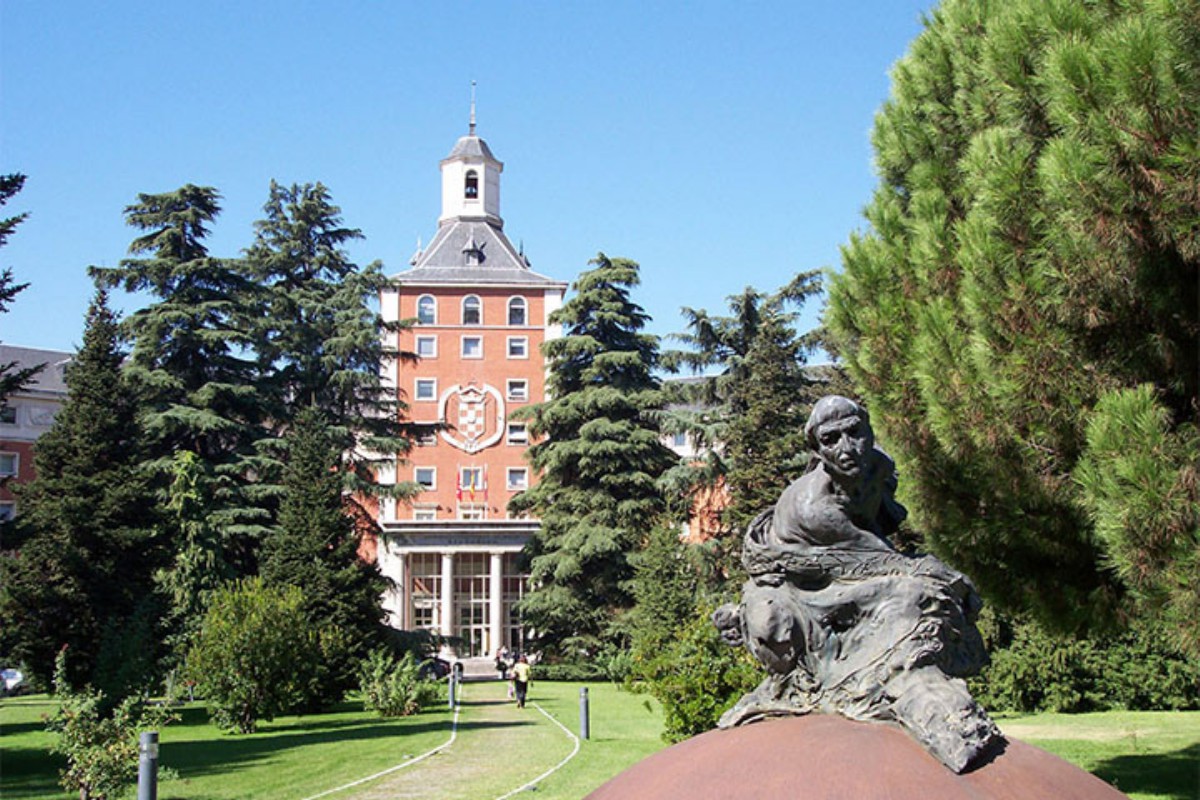
| Complutense University of Madrid | Madrid | Spain’s most prestigious, with a long history and abundant resources |
| University of Barcelona | Barcelona | Strong research capabilities, high international reputation |
| Autonomous University of Madrid | Madrid | Consistently has top entrance scores, top-tier teaching quality |
| University of Navarre | Pamplona | Top private university, modern facilities, but high tuition fees |
The Long Road to Practice: 6 Years of Undergrad + The MIR Exam
Even if you successfully get into medical school, that’s just the first step of a long journey. The undergraduate medical degree in Spain is a six-year program. The academic intensity is immense, with a heavy curriculum and constant exams; graduating with ease is simply not an option. After six years of hard study, you graduate with a medical degree, but you can’t practice medicine just yet. To become a specialist, you must pass the national medical licensing exam, the MIR (Médico Interno Residente). The competition for this exam is fierce, comparable to the most grueling postgraduate entrance exams in other countries, and perhaps even more ruthless. After passing the MIR, you begin a 4-5 year residency training in a hospital to finally become a certified specialist.
Choosing to study medicine in Spain means committing to a long, arduous, but highly rewarding path. It demands top-tier academic ability, strong mental fortitude, and unwavering perseverance. While the road is tough, those who succeed become highly respected pillars of society. Are there any forum members currently studying medicine, or who have family or friends in the field? Feel free to share your real-life experiences!
