To figure out schooling for my child, I recently toured several of the more well-known international schools around Barcelona. It’s true what they say—you don’t really know the difference until you see them for yourself. I’ve looked at tons of online data and rankings for Spanish international schools, but nothing beats walking onto the campus and feeling the atmosphere in person. I’m starting this thread to share some of my personal observations, hoping it can be a useful reference for other parents struggling with the same decision.
Campus Facilities and Atmosphere
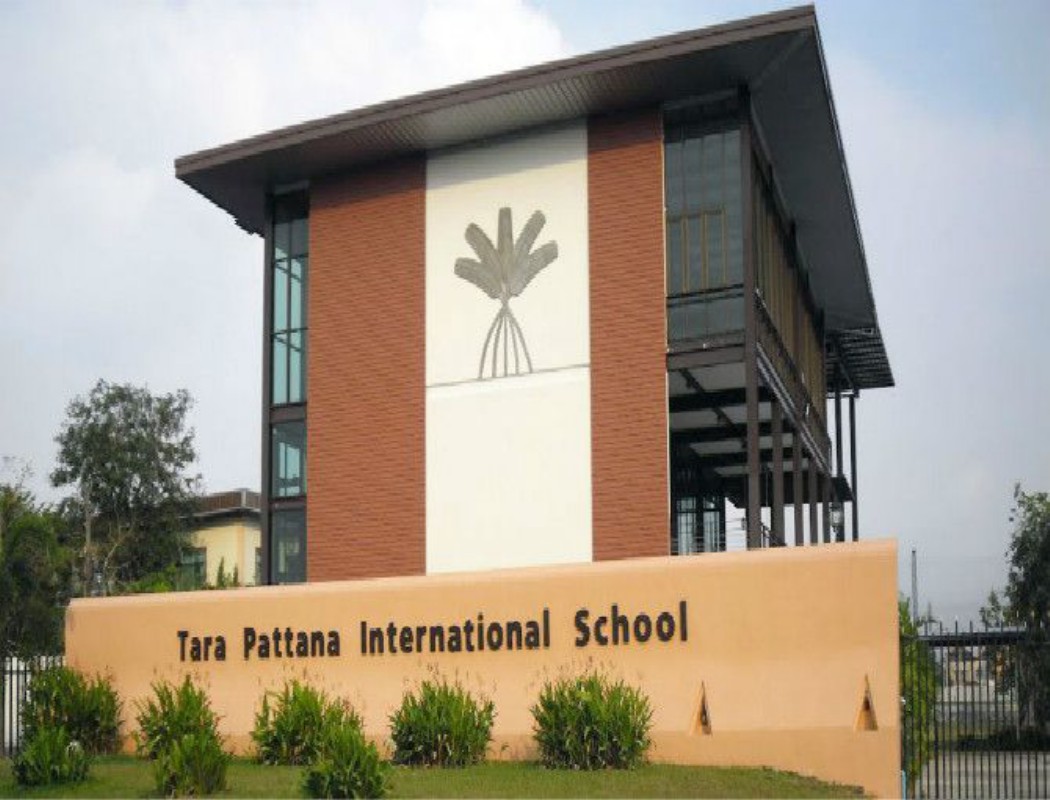
The first impression upon entering a school is crucial. Some schools feel very modern with brand-new, high-tech facilities like smartboards and makerspaces. Others have a more traditional British or American campus feel, with lush greenery, historic buildings, and a serene atmosphere. For example, one British school we visited, with its red-brick building and perfectly manicured lawn, instantly gave off ‘Harry Potter’ vibes. In my opinion, the age of the facilities isn’t the only factor; what matters is how well-maintained they are and whether the overall atmosphere is a good fit for your child’s personality.
First-hand Impressions of Curriculum and Teaching
During our scheduled tour, we were lucky enough to sit in on a class for a while. My biggest takeaway was how interactive the classes were. The teacher acted more as a facilitator than a lecturer. Students were grouped together, discussing topics and then sending a representative to present their findings. This atmosphere is completely different from the traditional ‘sit-in-rows-and-listen’ model many of us grew up with. Additionally, it’s crucial to research the curriculum beforehand—be it IB, A-Level, or an American system. We specifically asked the school’s university counselor, and they confirmed that different systems do impact applications to universities in different countries. I’ve made a simple comparison based on my experience from these international school tours for everyone’s reference:
| Curriculum | Features | Best For |
|---|
| IB | Comprehensive, well-rounded curriculum balancing humanities and sciences; fosters critical thinking. | Applying to universities worldwide, highly regarded by top-tier institutions. |
| A-Level | Allows students to specialize in 3-4 subjects of their choice. | Strong advantage for applications to universities in the UK and Commonwealth countries (e.g., Australia, Hong Kong). |
| AP | Flexible, with a wide range of subjects; students can earn college credits. | Primarily aimed at applications to US universities. |
Students, Staff, and Communication
When touring a school, pay attention to the students and teachers in the hallways and on the playground. What’s the students’ general demeanor? Are they cheerful and outgoing, or more reserved? Is there much interaction between teachers and students? We encountered a teacher who, upon seeing us, naturally stopped to say hello and even had her students greet us in the Spanish they were learning. It felt very welcoming. These small details can be very revealing about a school’s culture. Furthermore, your communication with the admissions officer is important. You can often sense whether they genuinely care about the students or are just trying to meet an enrollment target. A little tip: ask about the school’s student attrition rate. This question can sometimes indirectly reflect the school’s stability.
After all these tours, I feel that choosing a school is a bit like opening a ‘blind box’—no amount of research can replace the experience of a personal visit. Every school has its pros and cons, and ultimately, there’s no ‘best’ school, only the ‘right’ school for your child. I highly recommend that once you have a shortlist, you visit the schools with your child and listen to their thoughts. After all, they’re the ones who will be learning and living there every day. If you have any school selection experiences or knowledge about specific schools, feel free to share and discuss them below!
