Hello fellow students
! I just received my Spain Schengen visa, and while the process is still fresh in my mind, I wanted to write up a guide to share with all of you who are also students. The preparation can be a bit tedious, but as long as your documents are complete and well-organized, getting approval isn’t too difficult! I hope this helps those of you planning a trip or a short-term exchange in Spain.
Essential Documents Checklist
The table below is the checklist I put together for my own application. It’s tried and tested, but feel free to adjust it based on your specific situation.
| Document Name | Notes & Remarks |
|---|
| Schengen Visa Application Form | Download and fill it out from the official BLS website. Attach a passport photo with a white background. Signatures should be consistent with your passport. |
| Passport | Original and a copy. It must be valid for at least three months after your intended departure from the Schengen Area. |
| Proof of Enrollment | An official letter from your university (preferably in English) |
| confirming you are a current student. It should be stamped and signed by a university official. |
| Bank Statements | This is a key point, as highlighted in this University of York Spain Schengen Visa guide |
| ![/color] Provide statements for the last 3-6 months. It’s recommended to have a balance of at least €3,000-€5,000. Avoid large, recent deposits just before submitting. |
| Travel Itinerary | Use a travel planner tool to generate a detailed itinerary in English. It must cover every day of your stay in the Schengen Area and be logical. |
| Flight & Hotel Bookings | You can reserve flight tickets without full payment for the application. For hotels, find options with free cancellation on platforms like Booking.com. |
| Travel Insurance | Medical insurance covering the entire duration of your trip in the Schengen Area, with a minimum coverage of €30,000. You can easily find providers online; print the policy in color. |
Additional Notes on Key Points
Regarding bank statements, students often use their parents’. If so, you’ll need to provide extra documents, such as a proof of kinship (e.g., birth certificate)
and a letter of financial sponsorship from your parents, as is standard for a Spain Schengen for university students application. I used my mother’s bank statements and also included her certificate of employment, which I believe made my application stronger. Your travel itinerary needs to be thoughtfully prepared; don’t just copy a template. It needs to look authentic. For example, clearly state your mode of transport between cities, like whether you’re taking a flight or a train from Barcelona to Madrid. Just booking any random hotel will do—this is a mistake. It’s best if your hotel locations align with your planned itinerary.
Once all your documents are ready, go to the official BLS website to book an appointment. At the center, you’ll submit your documents and have your biometrics taken. The staff will do a quick check of your papers. Then comes the wait. I’m sure everyone can relate to the feeling of checking the application status multiple times a day. My visa was issued in about 8 working days, which was quite smooth.
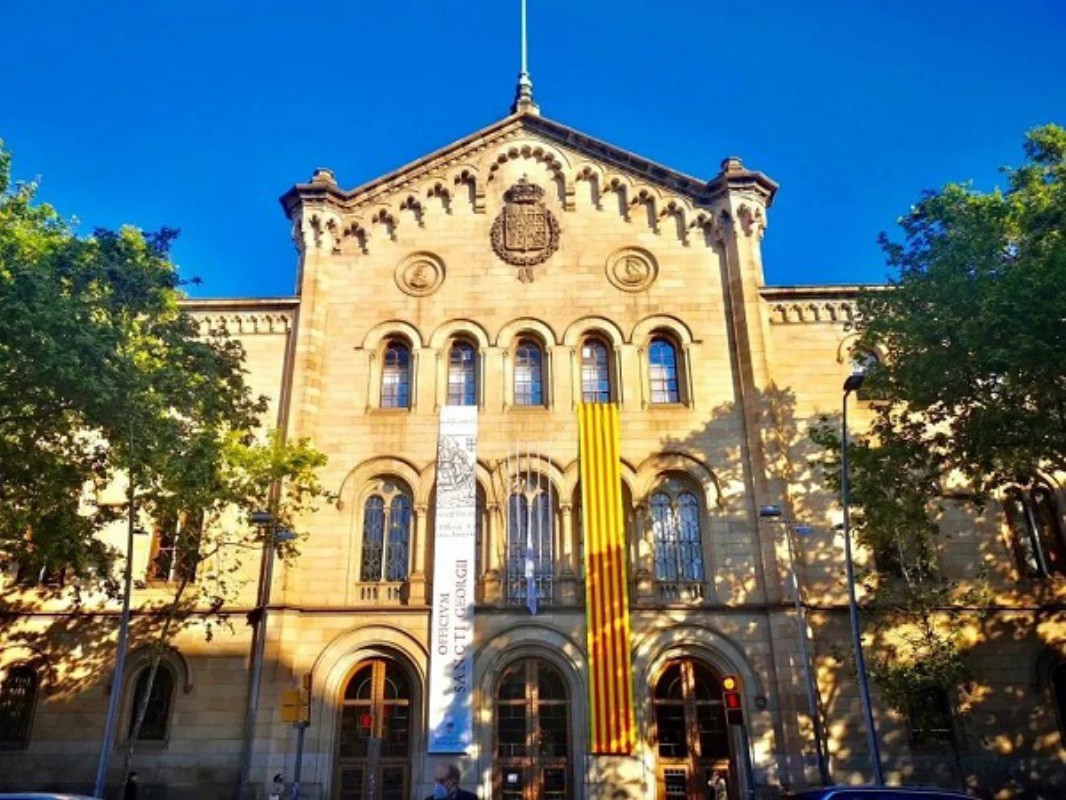
For a university student applying for a Spain Schengen visa, the core task is to prove two things: 1. I have sufficient funds for my trip and will not overstay illegally; 2. My travel plan is genuine, and my status as a student is credible. As long as you build your application around these two points with solid documentation, you should be fine. Best of luck getting your visa and enjoying the Spanish sun! Feel free to leave any questions below, and I’ll do my best to answer.
