Lately, more and more people on the forums have been asking about studying in Spain, especially in fields like art and architecture. As an architecture enthusiast myself, I wanted to share some insights about studying architecture in Spain, hopefully offering a useful starting point for future students. From Gaudí’s magical curves to Calatrava’s futuristic structures, Spain is truly a dream destination for every architecture student. Studying here feels like being immersed in an art gallery every day.
Top University Recommendations
When it comes to top architecture schools in Spain, a few renowned polytechnic universities immediately come to mind. The top recommendations are, of course — as detailed in this guide to Architecture in Spanish Universities — the Polytechnic University of Madrid (UPM) and the Polytechnic University of Catalonia (UPC). UPM’s School of Architecture is one of the best in Spain and even Europe, with a long history and deep-rooted traditions. Its style leans towards tradition and theory, emphasizing strong foundational skills. In contrast, UPC is located in the design capital of Barcelona, and its School of Architecture is equally stellar, with a more avant-garde style focused on design practice. Additionally, the Polytechnic University of Valencia (UPV) is another excellent choice—after all, it’s the alma mater of the great architect Santiago Calatrava, and its teaching places a strong emphasis on technology and innovation.
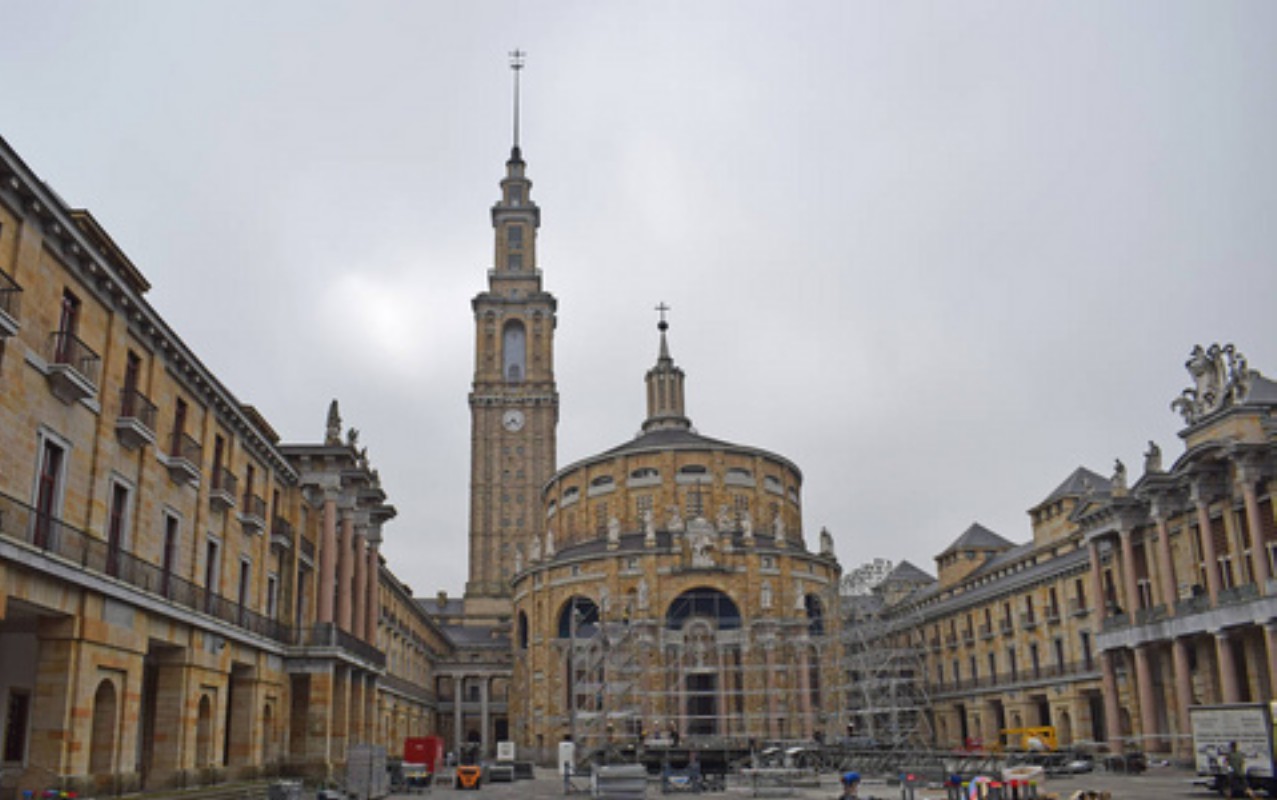
Quick Comparison of Top Schools
To give you a more direct overview, here is a simple table comparing the features of several popular schools:
| School | City | Style & Characteristics | Key Strengths |
|---|
| Polytechnic University of Madrid (UPM) | Madrid | Rigorous, traditional, strong in theory | Architectural theory, history, restoration |
| Polytechnic University of Catalonia (UPC) | Barcelona | Innovative, avant-garde, design-focused | Urban design, parametricism, sustainability |
| Polytechnic University of Valencia (UPV) | Valencia | Modern, technical, structure-oriented | Structural engineering, new materials, digitalization |
| University of Navarre | Pamplona | Elite education, international focus | Comprehensive, strong international partnerships |
Application Tips
To apply to these schools, a few things are crucial. First and foremost, your portfolio! It’s the most direct reflection of your design skills and potential, so its importance cannot be overstated. Be sure to prepare it meticulously to showcase your personality and creative thinking. Secondly, language proficiency. For undergraduate programs, a B2 level in Spanish is generally required; you must be able to communicate fluently and understand specialized lectures. Lastly, international students typically need to have their national high school qualifications homologated (officially recognized) or pass the Spanish university entrance exam (EBAU). For a complete guide to the application process, see Studying Architecture in Spanish Universities. Specific requirements can vary slightly from one university to another, so always check the latest admissions information on their official websites. Don’t be lazy about it
!
Spain is a fantastic choice for studying architecture. Every school has its own unique charm and focus. Which one you choose ultimately depends on your personal interests and career goals. I hope my sharing today has been a little helpful. I also welcome current students and alumni to add their own insights and corrections—the more we communicate, the more comprehensive our information becomes!
