Hello everyone, I’ve been a long-time lurker on this forum and noticed a growing number of people discussing real estate, so I couldn’t resist sharing some of my own insights. I’ve been involved with real estate investment in Spain for a few years now. I’ve gone from being a renter to owning a few small apartments that I now lease out. I’ve made my share of mistakes along the way but have also gathered some valuable experience. Today, I’d like to start the discussion by talking about the practical aspects of property investment in Spain that we, as average people, should focus on, beyond just tracking market fluctuations.
The Golden Rule of Location Selection
We’ve all heard the phrase ‘Location, Location, Location’ a million times, but in Spain, it has a deeper meaning. Beyond traditional concepts like city centers or school districts that [Spanish real estate investors] often focus on, things like transport accessibility and community amenities have a massive impact on rental income and appreciation potential. Furthermore, a point many people overlook is researching urban planning. Whether an area has plans for new commercial centers, transport links, or public facilities directly determines the future value of your property. Don’t just focus on its current appeal.
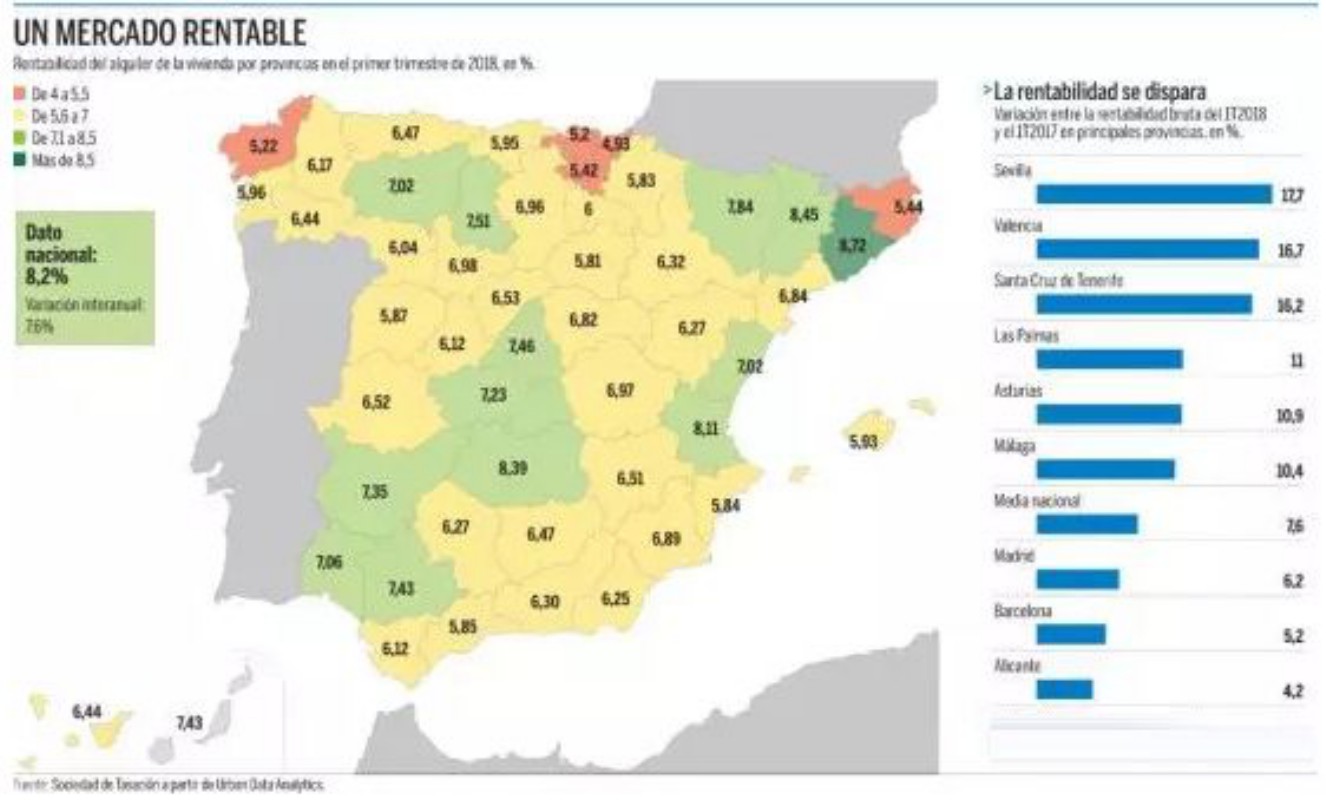
Investment Types and Yield Analysis
It’s crucial to be clear about your investment goals. Are you seeking stable cash flow or high short-term returns? This will determine the type of property you should buy and the investment strategy you should adopt.
| Investment Type | Pros | Cons |
|---|
| Long-Term Rental | Stable cash flow, relatively easy to manage | Rental yield may not be the highest |
| Short-Term/Tourist Rental | High return potential, especially in tourist cities | Complex management, requires a tourist license, highly affected by regulations |
| Flipping (Renovate and Resell) | Potential for high returns in the short term | High risk, requires knowledge of the renovation market and good taste, ties up significant capital |
For beginners, I personally recommend starting with long-term rentals to build a stable cash flow foundation. The idea of getting rich overnight by doubling your money on a purchase is not very realistic in the current market environment.
A Guide to Avoiding Pitfalls [for Spanish real estate investment]: Things Agents Won’t Tell You Upfront
The biggest risk in investing isn’t market volatility, but the information gap. There are several costs and issues you absolutely must understand beforehand:
- Hidden Costs: Beyond the property price, you’ll need to pay for ITP (Property Transfer Tax), notary fees, property registry fees, lawyer fees, etc. These costs typically amount to 10%-15% of the property price and must be factored into your budget in advance.
- Property Due Diligence: Be sure to have your lawyer thoroughly check if the property has any outstanding debts or liens, illegal constructions, and whether community fees and property taxes (IBI) are fully paid up.
- Special Issues: The problem of okupa (squatters) in Spain should not be underestimated. Before buying a property, especially a bank-repossessed or long-term vacant one, you must confirm its actual occupancy status.
Finding a reliable lawyer and tax advisor is more important than anything. They can help you handle complex legal documents and tax filings, ensuring your investment is legal, compliant, and maximizes your returns. Real estate investment is a systematic undertaking that requires patience and continuous learning. I hope my sharing has been helpful, and I welcome all experts to add their own insights and corrections for further discussion!
