I’ve seen a lot of new friends on the forum recently discussing property immigration, and it seems to be a consistently hot topic. As someone who successfully obtained investment residency a few years ago, I’d like to share my experience and thoughts from an ordinary person’s perspective. I hope this can help those who are still considering it or are preparing to take action.
Why Choose the Property Immigration Route?
When I first decided to come to Spain, I was mainly attracted to its climate, pace of life, educational resources, and the return on investment for Spanish property. I compared the non-lucrative and investment immigration options and ultimately chose to buy property. There were a few main reasons: First, the investment immigration route has very flexible residency requirements, with virtually no ‘minimum stay requirement,’ which offers a high degree of freedom for people who still need to manage business and family back home. Second, buying a property is a relatively safe investment. If you don’t live in it yourself, you can rent it out for a steady cash flow. This is unlike the non-lucrative visa, which, despite its seemingly low threshold, has strict requirements for your time spent in Spain and continuous passive income when it’s time for renewal, making it quite uncertain.
Property Selection is Absolutely Crucial
Investing €500,000 is the mandatory threshold, but how you spend that €500,000 is where the real skill comes in. When I was house-hunting, I visited Madrid, Barcelona, and Valencia. My advice is that unless you have a strong preference for a particular city, you must visit and inspect properties in person. Online photos and agent descriptions can be highly glamorized. You need to consider: What is the neighborhood like? Is transportation convenient? Are nearby schools, hospitals, and supermarkets readily available? If your goal for immigrating to Spain by buying property is for rental investment, then you should focus on researching the rental yield and future appreciation potential. For example, properties in downtown Barcelona are expensive but very easy to rent out, whereas properties in some southern coastal cities are highly seasonal; they are in high demand during the peak season but might remain vacant during the off-season, a problem you can’t escape even with alternative acquisition methods people ask about, like immigrating through gifted property.
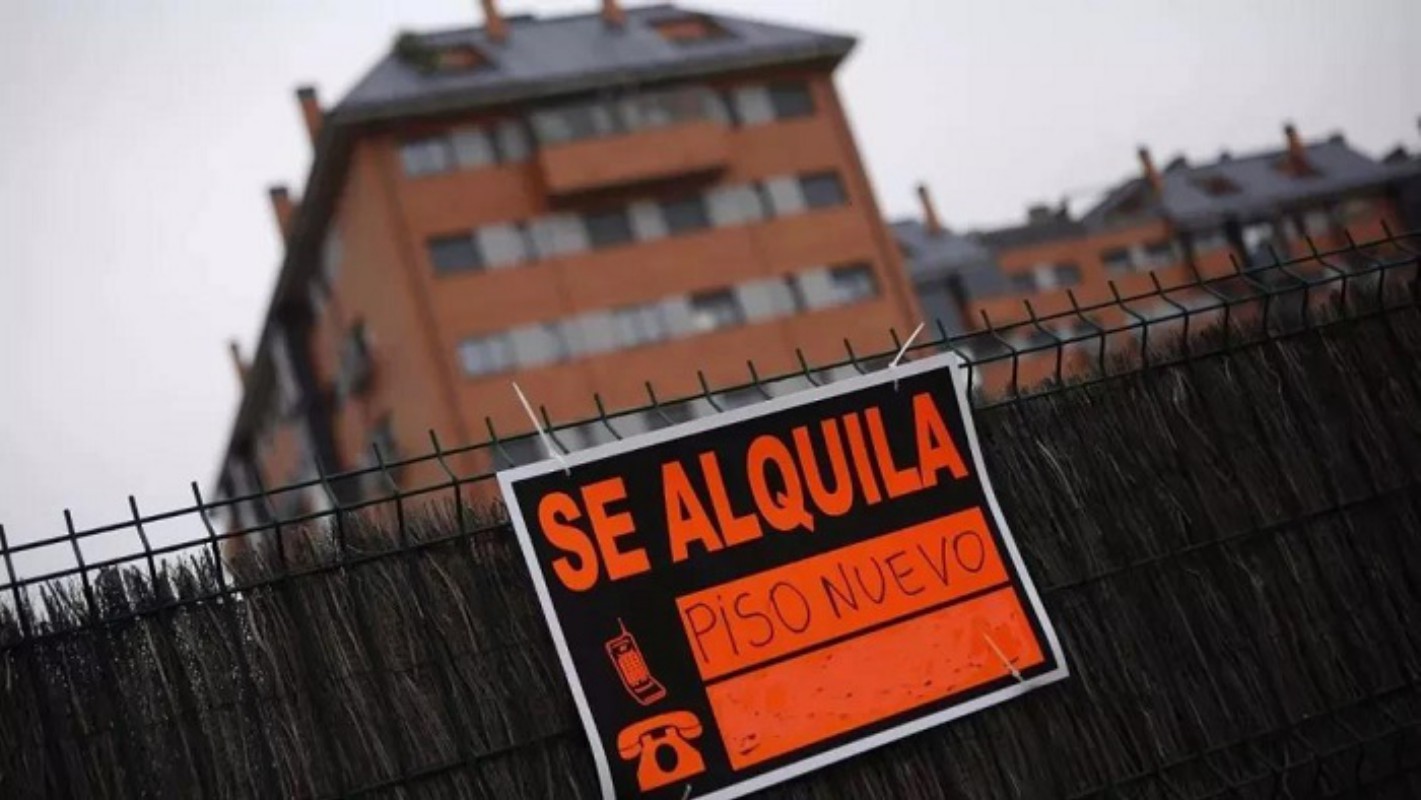
Here’s a simple comparison note I made for the cities, which you can use as a reference:
| City | Pros | Cons |
|---|
| Madrid | Capital city, more opportunities, rich cultural life | High property prices, relatively extreme inland climate |
| Barcelona | Highly international, has beaches, strong design focus | Too many tourists, safety can be an issue in some areas, expensive property |
| Valencia | Lower cost of living, good quality beaches, pleasant climate | Fewer job opportunities, smaller city scale |
| Malaga | Costa del Sol, excellent climate, great for retirement/vacation | Hot summers, less economic dynamism than major cities |
Overall, my journey with the Spanish property immigration route has been quite smooth. The key is to do thorough homework beforehand, find reliable lawyers and agents, and don’t blindly trust promises from any single party. The entire process, from property viewing, closing the deal, preparing documents, to finally receiving the residency card, takes about half a year if everything goes smoothly. I hope my sharing provides some useful information, and I welcome everyone to discuss and exchange ideas in the comments below!
