Lately, there have been a lot of posts in the forums discussing the cost of living, and I’ve noticed that everyone is particularly interested in property prices and rent in Spain. I’ve also been thinking about whether to buy a small apartment in Spain, partly for my own use and partly as an investment. I’ve spent some time researching the real estate markets in a few major cities and have put together some of my personal thoughts to get the ball rolling. I hope we can discuss this together.
Overview of Investment Potential in Major Cities
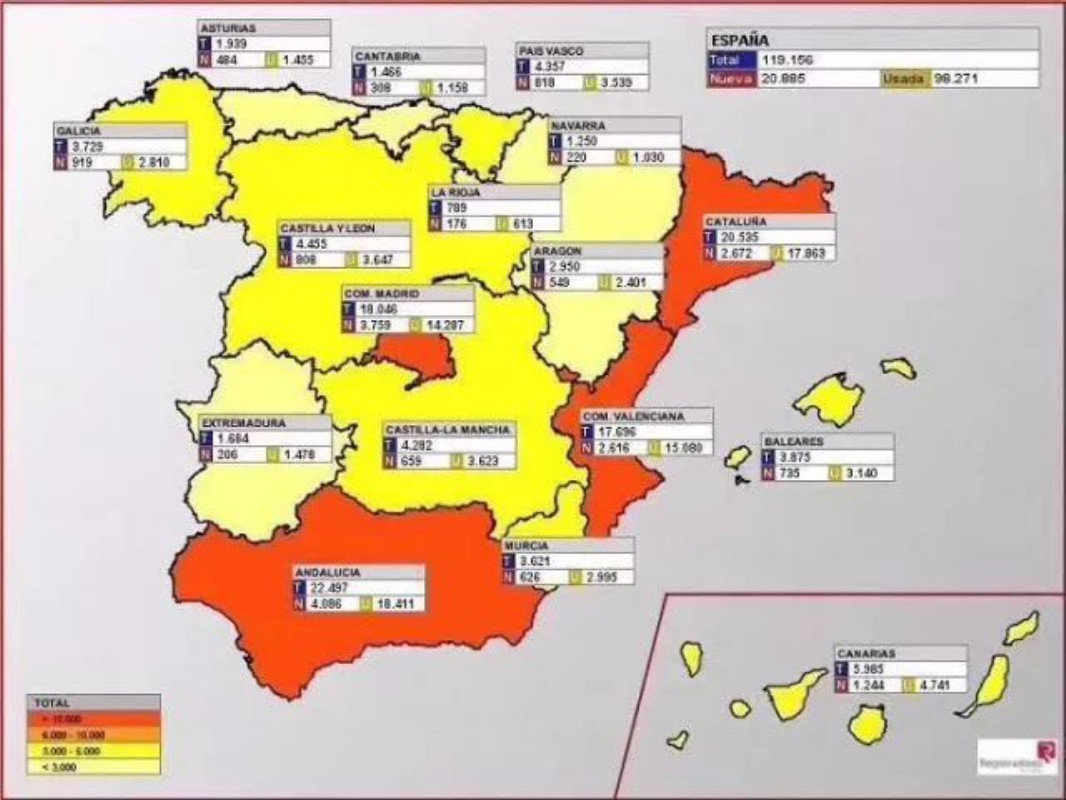
Currently, I’m mostly looking at Madrid, Barcelona, and Valencia. Each city has its own advantages and challenges. As the capital, Madrid is the stable economic and political center of Spanish real estate, with a continuous population influx and a very active rental market. However, its property prices are the highest, making the entry barrier quite high. Barcelona boasts a thriving tourism industry and a high degree of internationalization, attracting many foreign buyers and tourists. The short-term rental market was once booming, but policies have tightened, and property prices remain high. Valencia has been gaining a lot of momentum in recent years. With its pleasant climate, relatively low cost of living, and much more affordable property prices compared to the other two cities, it’s attracting many locals and foreigners seeking a better quality of life. It feels like it has great potential.
Rental Yield and Property Price Trends
When it comes to investment, the most important metric is rental yield. I’ve looked up some data and combined it with information from Idealista to summarize the approximate gross rental yields. Of course, this is just a rough guide; the actual figures will depend on the specific location and property condition.
| City | Average Gross Rental Yield | Price Trend |
|---|
| Madrid | 5% - 6% | Consistent and stable increase |
| Barcelona | 4.5% - 5.5% | Growth slowing, stable in some areas |
| Valencia | 6% - 7.5% | Rapid increase |
As you can see from the table, Valencia’s return rate is indeed very attractive. Although Madrid doesn’t have the highest yield, its strength lies in its market stability and strong asset preservation capabilities. Barcelona’s situation is more complex and seems better suited for experienced investors. Personally, I feel that for beginners or those with a limited budget, starting with Valencia could be a good choice for Spanish property appreciation, as the risk is relatively lower.
Some Personal Thoughts and Concerns
Buying a property is a big deal. Besides looking at data on Spanish property price increases, there are many other factors to consider, such as holding costs and the risk of vacancy periods if the property can’t be rented out. Additionally, mortgage rates in Spain have been fluctuating recently, and the future direction of the European Central Bank’s policy is uncertain. A friend of mine bought a house in the suburbs of Madrid last year, and their monthly mortgage payments are now a bit higher than when they first bought it. Therefore, it’s crucial to calculate your cash flow carefully and keep sufficient reserve funds. The era of easily making passive income just by buying a property may be over; now, it requires more foresight and management skills.
I still personally believe that Spanish property holds long-term value, as the living environment and climate here are solid assets. However, the risks of short-term speculation are increasing. What are your thoughts? Are there any friends here who have already bought property in Madrid or Valencia and can share their actual ownership experience and returns? Feel free to join the conversation and share some advice.
