Lately, I’ve seen many discussions on forums about buying property, mostly focusing on the second-hand market. However, the new development market in Spain has also been quite active in recent years, with its own complexities. As someone who has been closely following investing in Spanish real estate, I’d like to share my observations on the current state of property development in Spain. These are purely my personal views, and I welcome everyone to join the discussion and add their insights.
New Housing Supply: Demand Outpaces Construction Speed
To be honest, finding a desirable new-build home in major Spanish cities like Madrid, Barcelona, or Málaga is genuinely challenging right now. Market demand is incredibly strong, driven by both local families looking to upgrade and expats seeking primary residences. The problem is, the pace of new construction is far from keeping up with this growing demand. A friend in the construction industry complains that the process of obtaining a building permit can drag on for over a year. Add the construction time, and a project taking three to four years from land acquisition to handover is considered fast. This has led to persistently low inventory of new homes, a situation where demand far outstrips supply that is unlikely to change in the short term.
Soaring Costs: The Developer’s Pain and the Buyer’s Bill
Everyone has likely felt it in the last couple of years: the price of everything is going up. The real estate development sector has been hit particularly hard. The prices of construction materials like steel, cement, and wood have skyrocketed. Coupled with rising energy prices and labor costs, developers’ profit margins are being severely squeezed. Some smaller developers have even halted projects midway due to uncontrollable costs, leaving them unfinished. Naturally, these increased costs are ultimately passed on to us, the homebuyers. So, when considering [the current state of Spanish real estate], don’t be surprised that new home prices remain stubbornly high. This is driven by very real cost increases.
Comparison of New Development Activity in Major Cities
| City | Development Activity | Main Challenges |
|---|
| Madrid | Very High | Land scarcity, long approval processes |
| Barcelona | High | Limited land supply, strict policy regulations |
| Málaga | Very High | Strain on infrastructure, labor shortage |
| Valencia | High | Rapid price increases, intense market competition |
Future Trends: The Rise of Sustainable and Rental Housing
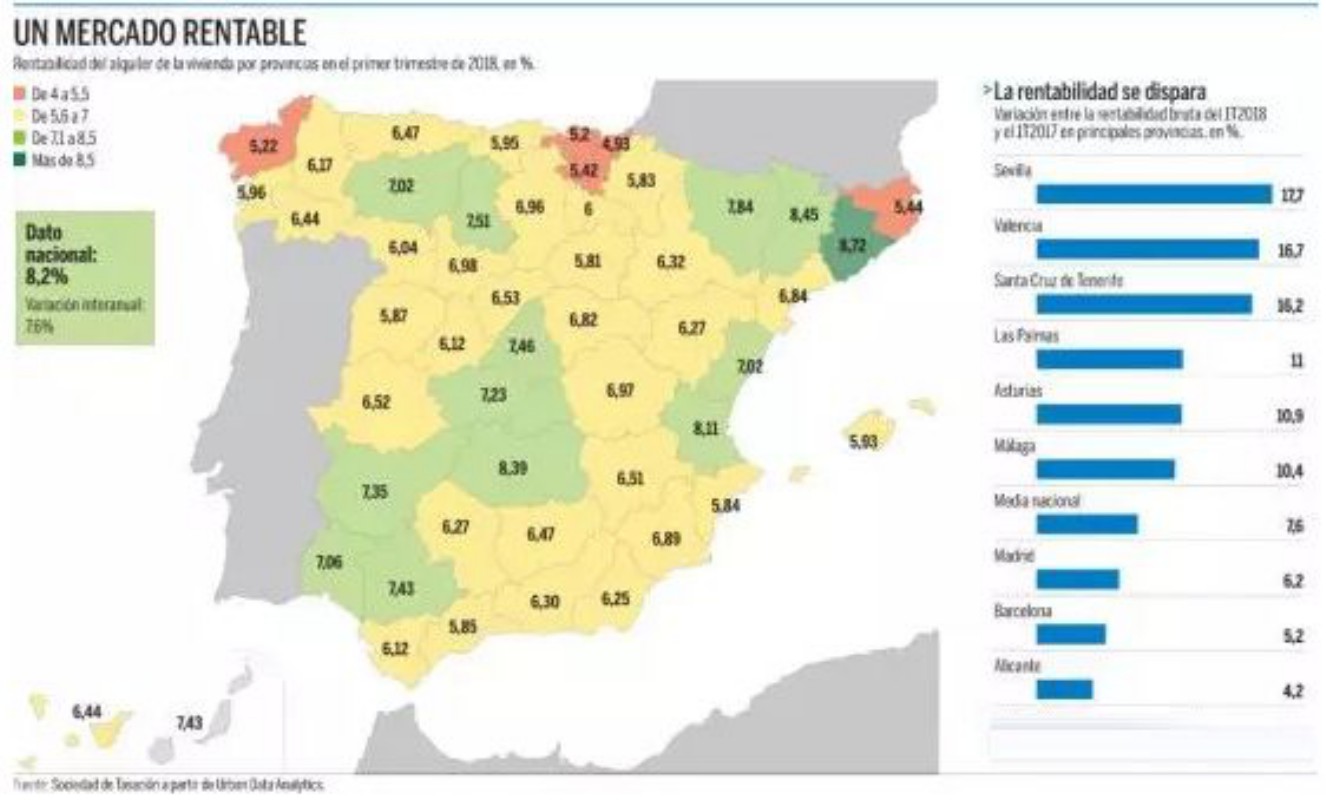
Looking ahead, I believe two trends are worth watching. The first is sustainable construction. Both the EU and the Spanish government are actively promoting green building standards, so new projects are increasingly focusing on energy efficiency and the use of eco-friendly materials. While this may add to the initial cost, it saves on energy expenses in the long run and aligns with future lifestyle concepts. The second is the ‘Build to Rent’ (BTR) model, which involves developing properties specifically for the rental market. As property prices climb, many people, especially the younger generation, are left with renting as their only option. Developers have recognized this huge rental market and are beginning to build high-quality apartment complexes for lease. This trend in Spanish real estate development could significantly impact the future rental market landscape. In summary, Spain’s property development market is full of variables, presenting both opportunities and challenges. It’s essential for everyone to do thorough research before making any decisions.
