Lately, more and more people on the forum are discussing the cost of living and settling down. Seeing the growing interest in buying property in Spain, I thought I’d share some of my own experiences and thoughts on the matter. Just to be clear, I’m not a real estate agent or a lawyer—just someone who’s been through it. This is all straightforward advice from my personal journey, and I hope it can be a useful reference for you.
Where Should You Buy?
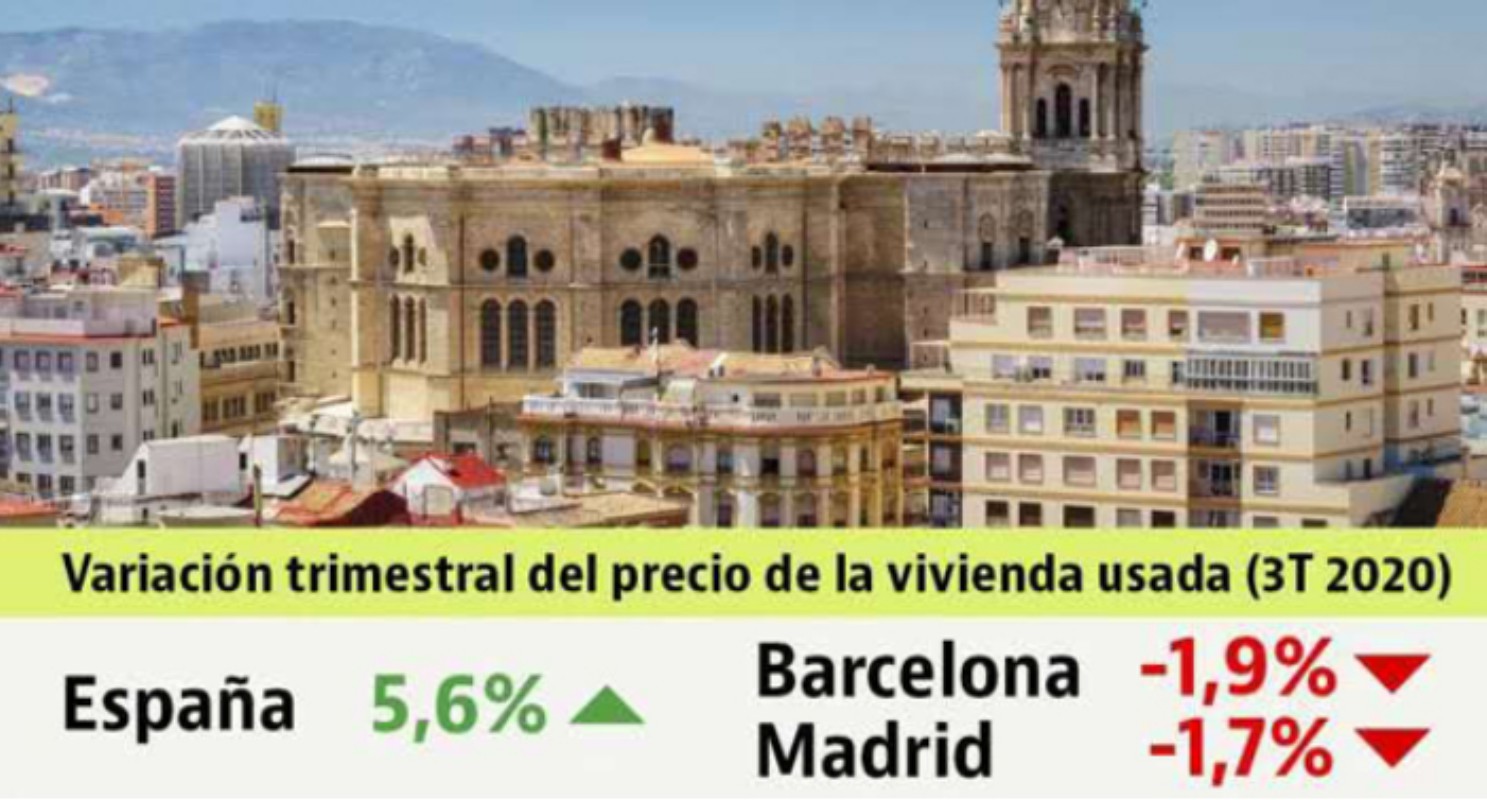
This is definitely the first major question to consider. Spain is a large country with diverse cultures from north to south, and property prices vary dramatically. I struggled with this decision for a long time, visiting cities like Madrid, Barcelona, Valencia, and Málaga…
- Madrid/Barcelona: These are the two major metropolises with plenty of job opportunities, convenient amenities, and a rich cultural scene. The downside is the high property prices, especially in the city centers, which can strain your budget. They are ideal for those who love the hustle and bustle of city life, have stable jobs, or a generous budget.
- Valencia/Málaga and other coastal cities: Sunshine, beaches, and paella! The pace of life is slower, and you get much more for your money. These cities are perfect for those who love the Mediterranean climate or are planning for retirement. Valencia, in particular, has been developing rapidly. As Spain’s third-largest city, it has excellent infrastructure, a point often discussed by Spanish real estate companies.
I personally chose a small town near Valencia. It offers a peaceful Mediterranean lifestyle while being just a half-hour drive from the city, which felt like the perfect balance. Everyone should make their decision based on their own lifestyle and budget.
The Purchase Process and Costs
Many people assume the process of buying property overseas is incredibly complex, but I found it quite manageable. The key is to find a reliable lawyer. Your lawyer will handle all legal documents, review contracts, and ensure the property is free of debt. This is an expense you absolutely should not skip. The general process is as follows: Property viewing -> Making an offer -> Signing a reservation contract and paying a deposit -> Lawyer conducts due diligence -> Applying for an NIE number and opening a bank account -> Arranging a mortgage (if needed) -> Signing the final deed at the notary’s office and paying the remaining balance -> Registering the property.
In terms of costs, on top of the property price itself, you should budget for an additional 10%-15% for extra expenses. Here is a rough breakdown of the costs I’ve compiled. Note that tax rates can vary slightly between different autonomous communities:
| Cost Item | Approximate Percentage | Notes |
|---|
| Property Transfer Tax (ITP) | 6% - 10% | For resale properties, varies by region |
| Value Added Tax (VAT/IVA) | 10% | For new properties |
| Lawyer’s Fee | Around 1% of the property price | Negotiable |
| Notary and Land Registry Fees | 0.5% - 1% of the property price | Official fees |
| Other Miscellaneous Fees | Approx. €500-€1,000 | e.g., NIE application, bank account setup |
Here’s a crucial point to remember, which relates to both buying and house selling tips: the deposit paid when signing the reservation contract is typically 10% of the property price. If the buyer backs out, the deposit is forfeited. If the seller, often represented by a Spanish property sales agent, backs out, they must pay back double the deposit. So, think very carefully before signing this contract
! I almost lost my deposit due to hesitation at this stage.
Buying a house in Spain is a major decision that requires a lot of homework beforehand. I recommend looking at many options, asking lots of questions, and comparing thoroughly—don’t make any impulse decisions. Feel free to join the discussion in this thread and share any questions or experiences you’ve had during your property search!
