Lately, I’ve seen more and more posts on forums discussing the cost of living, and I’ve noticed that many people are particularly interested in Spain’s property prices. As it happens, I’ve been researching the market myself because I’m considering a move. I’ve also chatted with some friends who are real estate agents and bankers, so I wanted to share some personal observations. I hope this can help others who are in a similar boat.
Overall Impression: A Market of Contrasts
To describe the current Spanish property market, ‘a market of contrasts’ is a fitting phrase. On one hand, the after-effects of the European Central Bank’s interest rate hikes are still being felt. Mortgage rates are considerably higher than a few years ago, putting immense pressure on many prospective buyers, especially young people. On the other hand, desirable properties in major cities and popular coastal areas are selling easily, with prices continuing to rise steadily. It feels like the amount of money in the market hasn’t decreased; it has just become more selective, flowing towards areas with strong potential for value retention and appreciation.
How to Choose Among Popular Cities?
I’ve focused on a few major cities, and the situation varies in each:
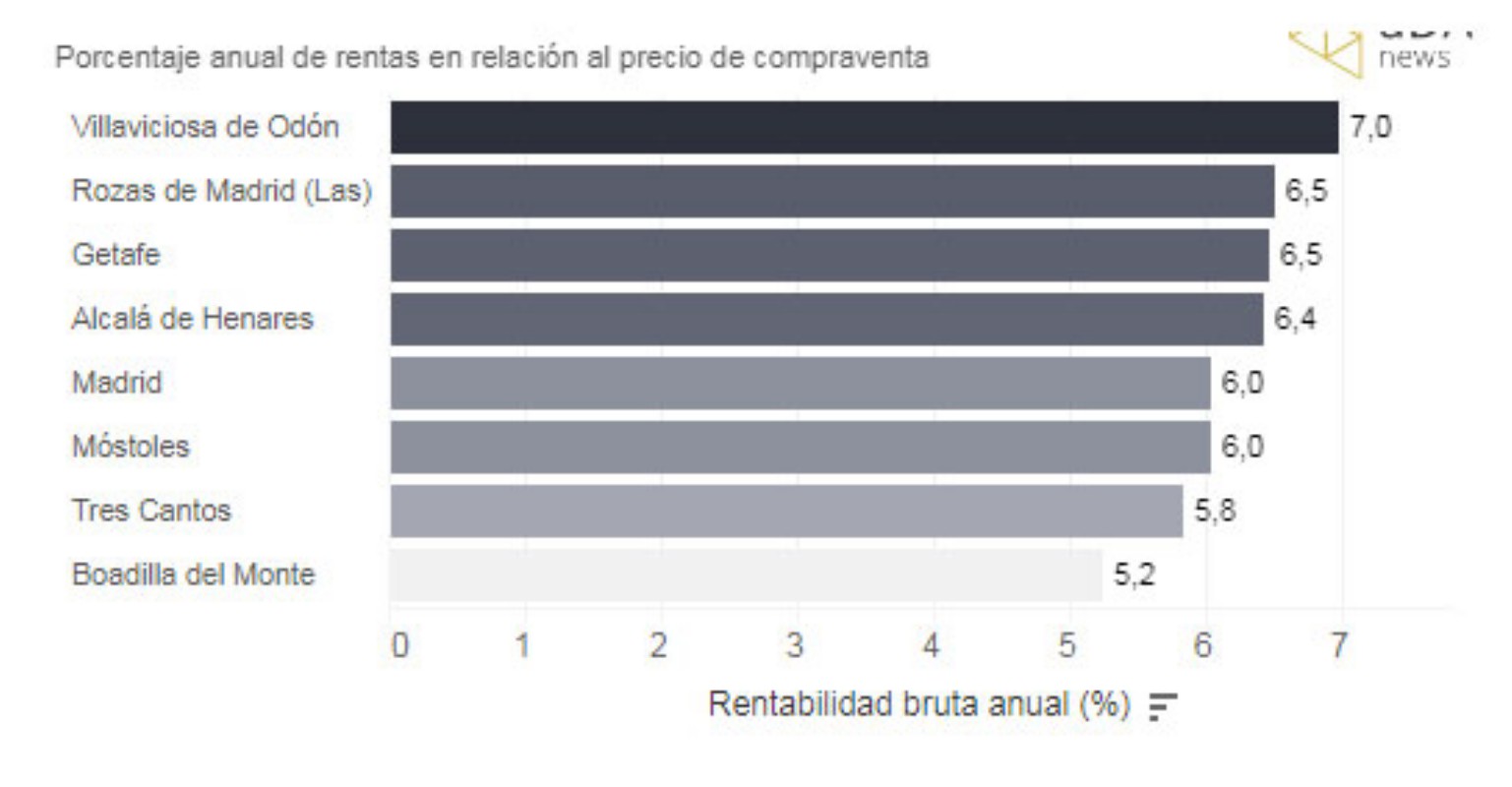
- Madrid and Barcelona: These two front-runners are, needless to say, the benchmark for property prices across Spain. In prime city-center locations, prices for new or nearly new homes can be intimidatingly high. But if you’re willing to look at surrounding towns—like Getafe in Madrid’s southern suburbs or Sabadell on the outskirts of Barcelona—you can still find some properties that offer good value. This can be a smart strategy for real estate investment in Spain. Properties here are more suited for families with stable jobs who are looking for a good quality of life.
- Valencia and Malaga: These two cities are the absolute stars right now! Thanks to their pleasant climate and relatively low cost of living, they are attracting a large number of retirees from Northern Europe and digital nomads from around the world. Demand is strong, and both property prices and rents are rising rapidly, especially in Malaga, which feels like it’s catching up to Barcelona. The rental yield for investments here is quite impressive.
- Alicante and Murcia: If you’re on a limited budget but still want to enjoy the Mediterranean sun, these two regions are excellent choices. Given [the current state of Spanish real estate], property prices here are much more affordable. Although the appreciation isn’t as steep as in the previously mentioned cities, the low barrier to entry and relaxed lifestyle are major advantages. However, job opportunities are scarcer here, making it more suitable for retirees or remote workers.
I’ve put together a simple table to give you a more direct comparison:
| City | Property Type | Average Price | Market Heat |
|---|
| Madrid | City center apartment | 5000 - 8000+ | Very High |
| Barcelona | Eixample apartment | 4500 - 7000+ | Very High |
| Valencia | Seaside apartment | 2500 - 4500 | Heating up |
| Malaga | City & coastal area | 3000 - 5000 | Extremely hot |
I think the era when you could buy any property blindfolded and still make a profit is over. For first-time buyers looking for a home to live in, if you can afford the monthly mortgage payments and find a suitable property, it’s still a good idea to get on the property ladder—especially when considering new builds, a topic covered in Spanish property development. After all, rents are also rising, and owning a property provides more security in the long run. For those looking to invest, jumping on the bandwagon is not advisable. It’s crucial to do your homework, carefully researching the location, population inflow, and future development plans. If you have any thoughts or experience with house hunting in other cities, feel free to share and discuss them below!
