Hi everyone,
I’ve been delving into the Spanish real estate market lately, primarily from an investment standpoint, aiming to identify cities with stable rental returns and future growth potential. After reviewing considerable data and speaking with local friends, I’ve compiled some thoughts to share and discuss with you all. I’d appreciate any feedback on anything I might have overlooked or misunderstood.
Core Cities: Stable but with a High Barrier to Entry
When it comes to investment, the two giants you can’t ignore are Madrid and Barcelona. These two are Spain’s primary economic powerhouses, boasting vibrant economies, abundant job opportunities, and a high concentration of tourists and international students. Consequently, the rental market is exceptionally strong. Property liquidity is also at its peak, making it relatively easy to sell in the future. However, the drawbacks are also apparent: high property prices and a steep entry barrier. A small apartment in a prime city-center location can start from €300,000-€400,000, which is a significant financial commitment for investors with a limited budget, as reflected in the [ranking of Spanish properties]. Furthermore, tourist rental policies for Spanish real estate investment in these two cities are becoming increasingly strict and require careful attention.
The Rise of Coastal Cities: Potential and Value for Money
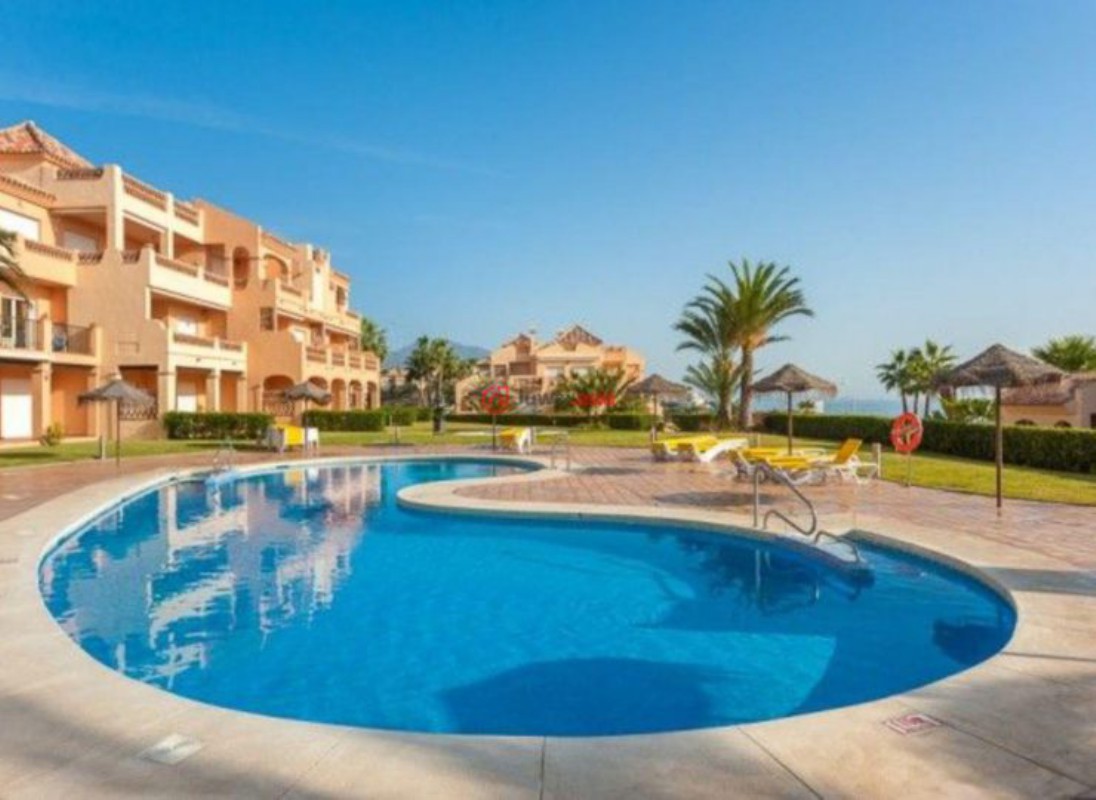
If we shift our focus from the two major hubs, several cities along the Mediterranean coast are proving to be very appealing. I’m personally keeping a close eye on Valencia, Málaga, and Alicante. These cities offer pleasant climates, a relatively low cost of living, and have experienced rapid economic growth and urban development in recent years, attracting a large influx of retirees and digital nomads from Northern and Western Europe. This creates two distinct rental demands: short-term rentals for tourists and vacationers, and long-term rentals for permanent residents. Property prices in these cities are much more accessible compared to Madrid and Barcelona, meaning you can acquire a larger or better-located property for less money, and the calculated rental yields can be quite impressive.
A Brief Comparison of Popular Cities
For a more direct comparison, I’ve created a simple table. The data is based on averages estimated from various real estate websites and reports, so it may not be perfectly precise but serves as a useful reference:
| City | Investment Advantages | Potential Risks |
|---|
| Madrid | Economic hub, strong rental demand, high property liquidity | High property prices, high barrier to entry, tightening tourist rental policies |
| Barcelona | High international profile, thriving tourism, strong cultural appeal | Extremely high property prices, political factors, complex rental regulations |
| Valencia | Good value for money, rapid urban development, high quality of life | Fast-rising prices in popular areas, increasing competition |
| Málaga | Emerging tech hub, excellent climate | Large gap in rental demand between high and low seasons, prices are no longer low |
| Alicante | Relatively cheap property prices, popular with Northern European retirees | Relatively undiversified economy, some areas are heavily reliant on tourism |
I believe there’s no single ‘best’ city, only the one that best aligns with your budget and investment objectives. If you are seeking stability and value preservation and have sufficient funds, the core districts of Madrid and Barcelona remain the premier choices. However, if you prioritize value for money and rental yields and are willing to research the market, ‘new-tier’ cities like Valencia and Málaga might offer more pleasant surprises regarding Spanish property prices. What are your thoughts on these cities? Do you have other potential ‘hidden gems’ to recommend? Let’s discuss!
