Having recently moved to Spain, I’ve been looking into buying a property and discovered that the tax system here is quite complex and very different from what I’m used to. House hunting is overwhelming enough, but figuring out the taxes is even more of a headache! I’ve spent some time organizing the information and wanted to share it with others who are also considering buying property. Experienced homeowners, feel free to add your insights or make corrections.
Essentially, property taxes in Spain can be divided into two main categories: one-off taxes paid at the time of purchase and annual taxes paid for property ownership.
Property Purchase Taxes
The taxes you pay are completely different depending on whether you buy a new build or a resale property. It’s something you need to consider right from the start of your property search.
New Properties
If you are buying a brand-new property directly from a developer, there are two main taxes involved:
- Value Added Tax (IVA): This is typically 10% of the property price. For example, on a new €500,000 property, the IVA alone would be €50,000. In the Canary Islands, this tax is called IGIC, and the rate is lower, at around 7%.
- Stamp Duty (AJD - Actos Jurídicos Documentados): This tax varies by autonomous community, with rates ranging from 0.5% to 1.5%. While the percentage might seem small, it can add up to a significant amount on an expensive property.
Resale Properties
When buying a resale property, you don’t pay IVA. Instead, there’s another type of [Spanish property taxes] you’ll need to pay:
- Property Transfer Tax (ITP - Impuesto de Transmisiones Patrimoniales): This tax is also set by each autonomous community, with rates typically ranging from 6% to 10%. For instance, in Madrid, the general rate is 6%, but in Catalonia, it’s a progressive tax, meaning the rate can go up to 10% for more expensive properties.
| Tax Type | Applicable Property | General Rate Range |
|---|
| Value Added Tax (IVA) | New properties | 10% |
| Stamp Duty (AJD) | New properties | 0.5% - 1.5% |
| Property Transfer Tax (ITP) | Resale properties | 6% - 10% |
Property Ownership Taxes
Buying a house isn’t a one-and-done deal. You have to keep ‘feeding the meter’ for your property every year. It’s similar to how you have annual costs for a car, like inspection fees and insurance.
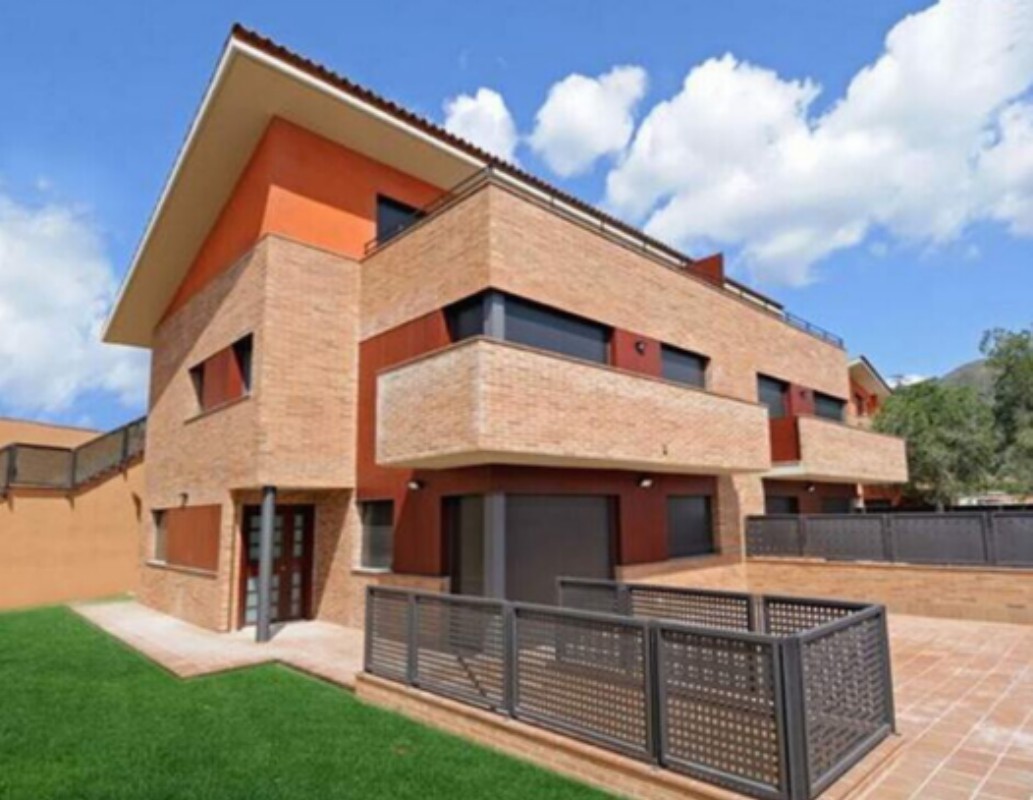
There are two main ownership taxes:
Real Estate Tax (IBI - Impuesto sobre Bienes Inmuebles): This is a municipal tax paid to the local city council, and every property owner must pay it annually. You can’t avoid it, whether you live in the property, rent it out, or leave it vacant. The tax is based on the property’s cadastral value (valor catastral), which is an administrative valuation set by the government. The rate varies by municipality, generally ranging from 0.4% to 1.1%. This cadastral value is usually much lower than the market price, so the actual amount paid isn’t as daunting as it might sound. This is the most fundamental ownership tax.
Income Tax (IRPF / IRNR): This one is more complicated. The rules for Spanish property taxes can be quite intricate depending on your residency status. If you are a tax resident in Spain and the property is your primary residence, you do not have to pay income tax on it. However, if you own a second or third property, even if it’s vacant, you must declare a ‘deemed rental income.’ This is calculated on a base of 1.1% or 2% of the cadastral value, which is then taxed at your personal income tax rate. If you rent the property out, that rental income must also be declared. For non-tax residents, it is mandatory to file a non-resident income tax return (IRNR). This applies whether the property is rented out or left vacant, and you can find more details on these specific [Spanish property taxes].
Spain’s property tax system is indeed complex, with regulations varying between autonomous communities. Before buying, it’s crucial to factor in all these potential costs to create a comprehensive budget. The annual ownership costs, in particular, will directly impact your long-term cash flow. I hope this simple guide has been helpful to everyone!
