After moving to Spain and settling into a rental, many people, like me, start thinking about the big step of buying a property. After all, who wouldn’t want a place to truly call their own here? However, the Spanish real estate market is quite different from what I was used to, with a wide variety of information channels. After running into quite a few pitfalls and doing a ton of research, I’m here to share my thoughts on the most reliable and mainstream professional real estate platforms I’ve used. I hope this helps fellow house-hunters.
A Comparison of Mainstream Real Estate Platforms
When it comes to searching for property in Spain, you can’t really avoid a few major websites. They are like the ‘Amazon’ of real estate, with extensive listings and wide coverage, used by private owners, agents, and developers alike to post properties. I primarily use Idealista and Fotocasa, and occasionally browse Pisos.com and Habitaclia. Each platform has its own strengths, and I’ve summarized my experiences in the simple table below.
| Platform | Pros | Cons |
|---|
| Idealista | The most comprehensive and largest number of listings, frequent updates, great app experience, and virtual tour features | Listed prices can sometimes be inflated, requiring careful evaluation |
| Fotocasa | Nice interface design, features exclusive listings, and has a very useful price analysis tool | Total number of listings feels slightly smaller than Idealista’s, especially in smaller cities |
| Pisos.com | An older, more established site with many listings from agencies; you can sometimes find properties not listed elsewhere | The website interface is a bit dated and has a lot of ads |
| Habitaclia | Focuses on Catalonia and the Balearic Islands, with a high concentration of regional listings | Fewer listings in other regions, making it limited in scope |
Idealista: My Top Choice
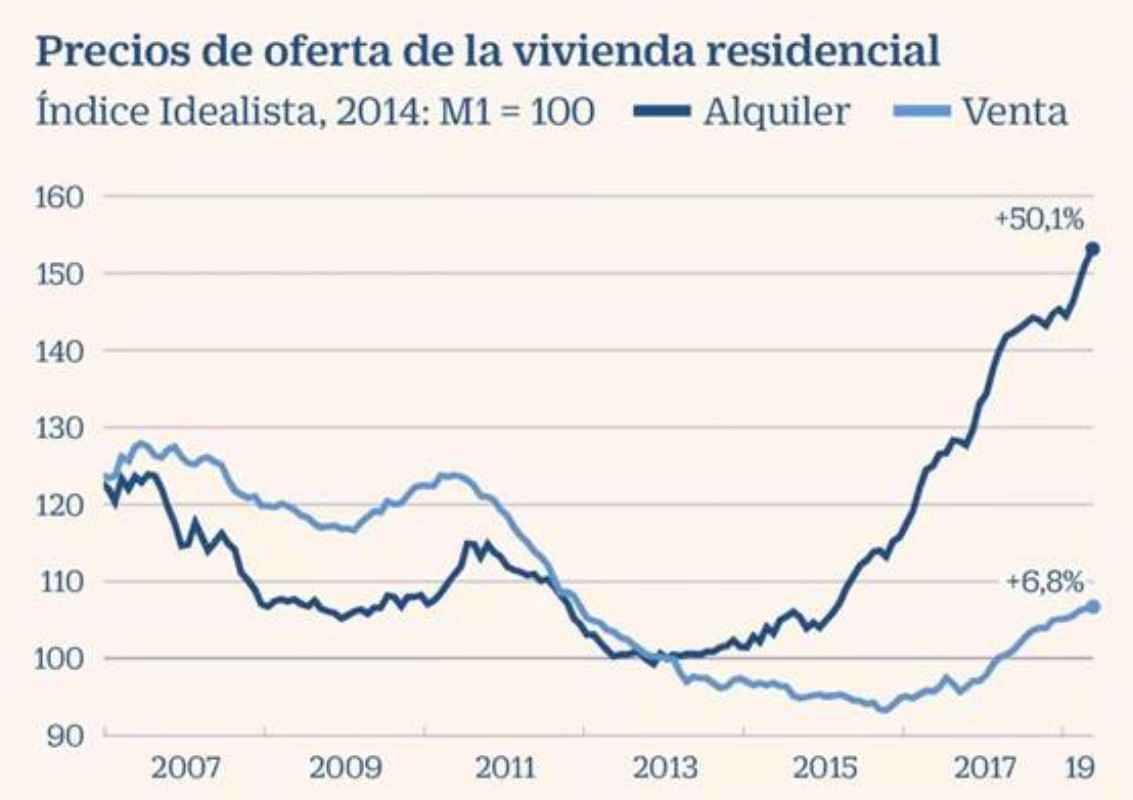
If you’re short on time, I’d recommend Idealista first. Its number of listings is truly massive, covering everything from large flats in the city centers of Madrid and Barcelona to holiday apartments in coastal towns and rustic Fincas with yards in the countryside. Its search filters are also incredibly detailed, allowing you to narrow down by area, price, size, room layout, and even whether it has an elevator, terraza, or piscina. My favorite feature is the ‘draw on map’ search; you just draw a circle on the map, and all the properties within that area appear, which is a lifesaver for someone like me who isn’t familiar with specific streets. Of course, the downside is also clear: because it’s a huge platform, some owners or agents might post inflated prices for buying property in Spain to attract attention, so negotiating the price during a viewing is an essential skill.
Some Practical Tips
Finally, let me share a few personal tips: don’t just rely on the photos; always visit the property in person, as photos can be heavily ‘enhanced.’ When you find a property you like, besides contacting the agent via the listed [property buying channels in Spain], try using Google Maps Street View. Getting a look at the neighborhood is a crucial part of understanding the Spanish property buying process and the local atmosphere. Also, be sure to browse multiple platforms and cross-reference prices for the same property, as different agencies sometimes list it with varying prices. Buying a home is a major decision, so investing extra time in research is always a good idea. I hope everyone successfully finds their dream house in Spain!
