I’ve seen a lot of forum discussions lately about Spanish residency and the cost of living. As someone who’s been through the process of exploring the advantages of Spanish property, I wanted to join in and talk about a hot topic: buying property in Spain to obtain residency. Policies have fluctuated over the years, but overall, Spain’s ‘Golden Visa’ program has remained a pretty stable option.
Why Is Spanish Real Estate Immigration So Popular?
The logic is quite simple: you invest a sum of money to not only acquire a tangible asset like a house but also secure residency for your entire family. It certainly sounds appealing. Compared to some other countries, Spain’s advantages are quite clear:
- Clear Requirements: An investment of over €500,000 in real estate, with no strict language, education, or business background requirements. The application process is relatively straightforward.
- Three Generations in One Application: The main applicant can include their spouse, minor children, and even dependent adult children and parents, which is a very family-friendly policy.
- Flexible Residency Requirement: There’s virtually no ‘minimum stay’ rule. You only need to visit Spain once in the first year, and then once every two years after that. This is perfect for families whose main careers are still in their home country and want a ‘plan B’.
- Travel Freely Across Europe: Obtaining the residency card allows you to travel freely throughout the 27 Schengen countries, making tourism and short-term business trips much more convenient.
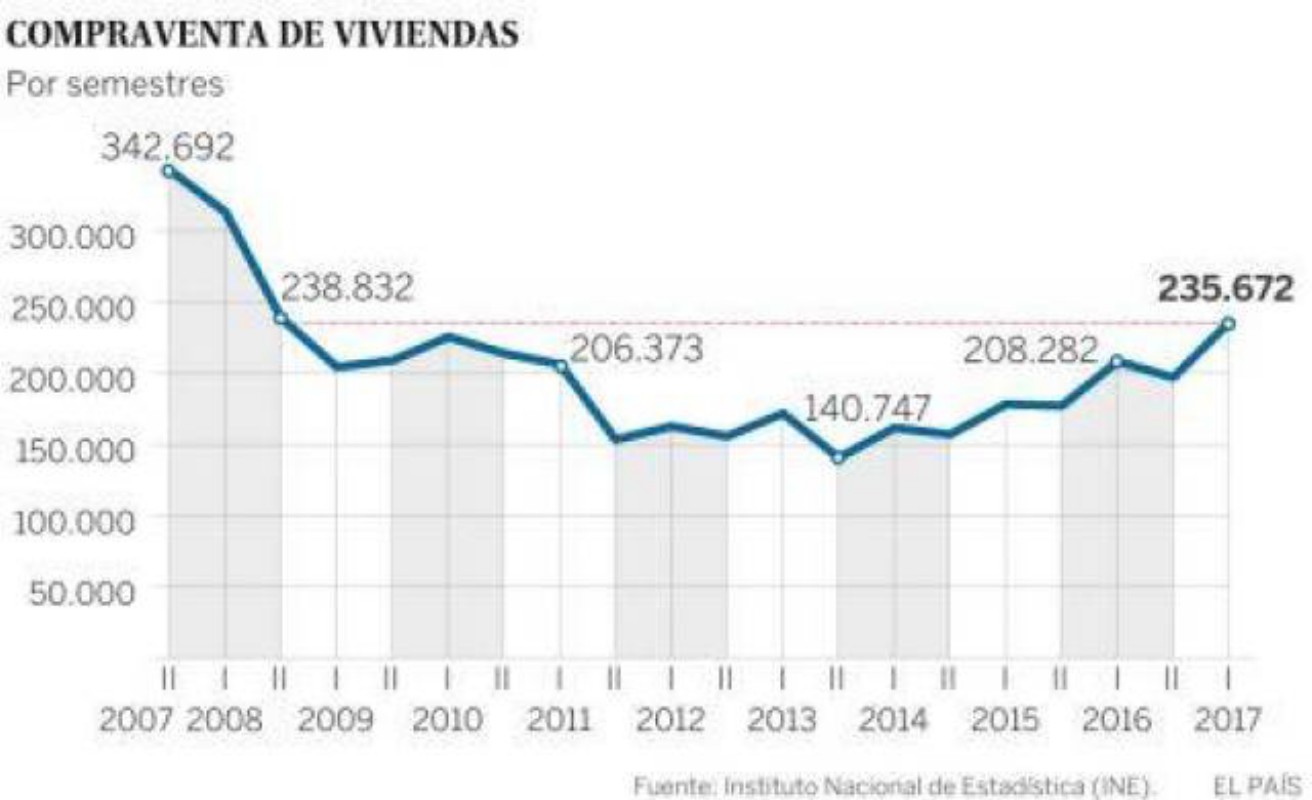
However, there are two sides to every coin. For most families, €500,000 is no small sum, and you have to consider the advantages of Spanish property. Furthermore, property holding costs, such as property taxes and community fees, are a fixed annual expense. Therefore, this option is better suited for those with sufficient funds who are genuinely drawn to Spain’s lifestyle, educational resources, and healthcare system, making it a good choice for investing in Spanish real estate.
A Quick Comparison of Common Residency Types
Many people compare the Golden Visa with the Non-Lucrative Visa. They are indeed two main paths to obtaining long-term residency in Spain, but they cater to completely different groups of people. I’ve created a simple table for a clear comparison:
| Feature | Golden Visa | Non-Lucrative Visa |
|---|
| Core Requirement | Investment of €500,000+ in real estate | Proof of sufficient passive income |
| Work Permit | Permitted to work and do business | Not permitted to work in the first year, as a rule |
| Residency Requirement | Almost none | Must stay for 183 days per year |
| Best Suited For | Those who want residency without long-term stays, or wish to do business in Spain | Those planning to live long-term in Spain or retire there |
If you don’t want to be tied down by a ‘minimum stay requirement’ and want to keep the option of working in Spain in the future, the Golden Visa certainly offers more flexibility. However, if your budget is more limited and you genuinely plan to move to Spain to enjoy the lifestyle, the Non-Lucrative Visa is much more cost-effective. That said, it seems the approval process for the non-lucrative visa has become stricter lately, which can be a real headache. I hope my personal sharing provides some useful reference, and I welcome others with more insight to add to the discussion!
