I’ve been living in Spain for a few years and have recently started thinking about buying a house, especially with options like property buy-back in mind. I’ve viewed a fair number of places, from old apartments in central Madrid to new developments near Barcelona, learning a few things along the way. I’m starting this thread to share my personal take on what makes a “good home,” and I’d love to hear suggestions and insights from the community.
Location, Location, but Don’t Just Look Downtown
It’s a cliché, but location is always a top priority. However, I don’t think you have to be right in the city center. I personally place more value on “lifestyle convenience” and “community atmosphere.” For example, is there a Mercadona or another large supermarket nearby? Is there a Metro or Cercanías station within a 10-minute walk? Are there parks for a stroll or walking the dog? How far is the kids’ school? These seemingly small but daily needs are far more important than just having a “city center” address. Some newly developed areas, like Valdebebas in the north of Madrid, are well-planned with good green spaces, transport links, and commercial facilities. Although they’re a distance from the center, the living experience might be much better than in some older, smaller apartments downtown, something to think about with property buy-back in mind.
Layout and Orientation: The Foundation of Your Quality of Life
The orientation of a house in Spain is incredibly important! Especially in a place like Madrid, which can be boiling hot in summer and freezing cold in winter. The best choice is definitely south or southeast-facing, which provides ample sunlight in winter and can save a lot on heating bills. I once viewed an ‘exterior’ apartment where all rooms faced north; you had to turn on the lights even during the day, and the cold, gloomy feeling was really depressing. Additionally, a square layout and good ventilation are key. Many old city-center buildings have awkward layouts with long, narrow corridors that waste a lot of space—it’s best to avoid these. Below is a floor plan I quite like, with a clear separation between living and sleeping areas and very efficient use of space.
The Condition and Details of the Property Itself
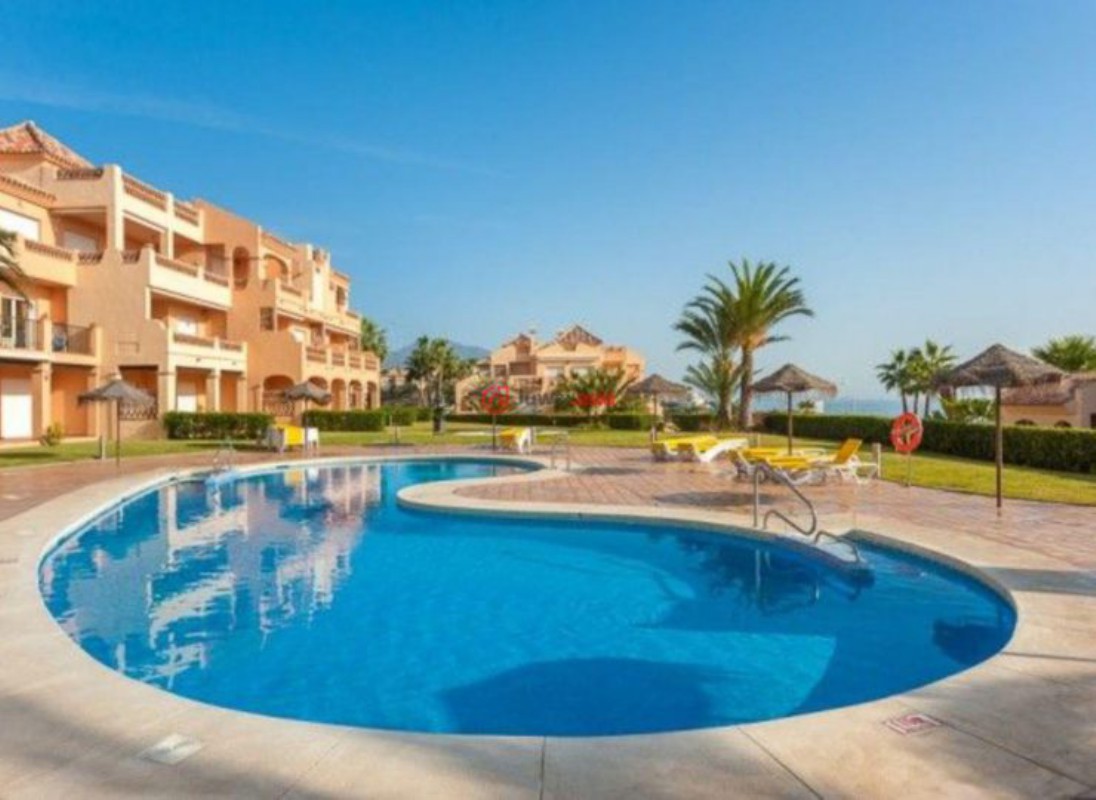
Besides the major aspects of Spanish real estate, some details are also worth noting. For instance, the Energy Performance Certificate (EPC) rating. It’s best to get a C or higher, or your monthly electricity bill will be painful. Check if the windows are double-glazed, as it makes a huge difference in sound and thermal insulation. Furthermore, community amenities like a swimming pool, gym, children’s playground, or a Padel court are a big plus. While these increase the community fees, they can significantly improve your quality of life.
I’ve put together a simple table of the key points I focus on when viewing properties, for your reference. This is just my personal opinion, so feel free to adjust the priorities based on your own needs.
| Factor to Consider | My Priority Level | Notes |
|---|
| Transport Convenience | ★★★★★ | Metro/Cercanías is a priority |
| Orientation & Natural Light | ★★★★★ | Preferably south or southeast-facing |
| Neighborhood Safety & Environment | ★★★★☆ | Walk around the area at night |
| Energy Performance Rating | ★★★★☆ | Affects long-term ownership costs |
| Community Amenities | ★★★☆☆ | A bonus, but not a deal-breaker |
| Age & Building Condition | ★★★☆☆ | New isn’t always better; check maintenance on old buildings |
Buying a home is a big decision, so look at many options, compare them carefully, and don’t make an impulsive choice. I hope your house-hunting journey goes smoothly and you find your dream home soon! Feel free to share your own stories and experiences here too!
