Lately, I’ve noticed more and more people on forums discussing buying property. Whether it’s for their own use or as an investment, the enthusiasm seems high. I thought I’d join the conversation and share my perspective on the Spanish real estate market. These are purely my personal observations, and I welcome everyone to join the discussion.
A Market of “Ice and Fire”
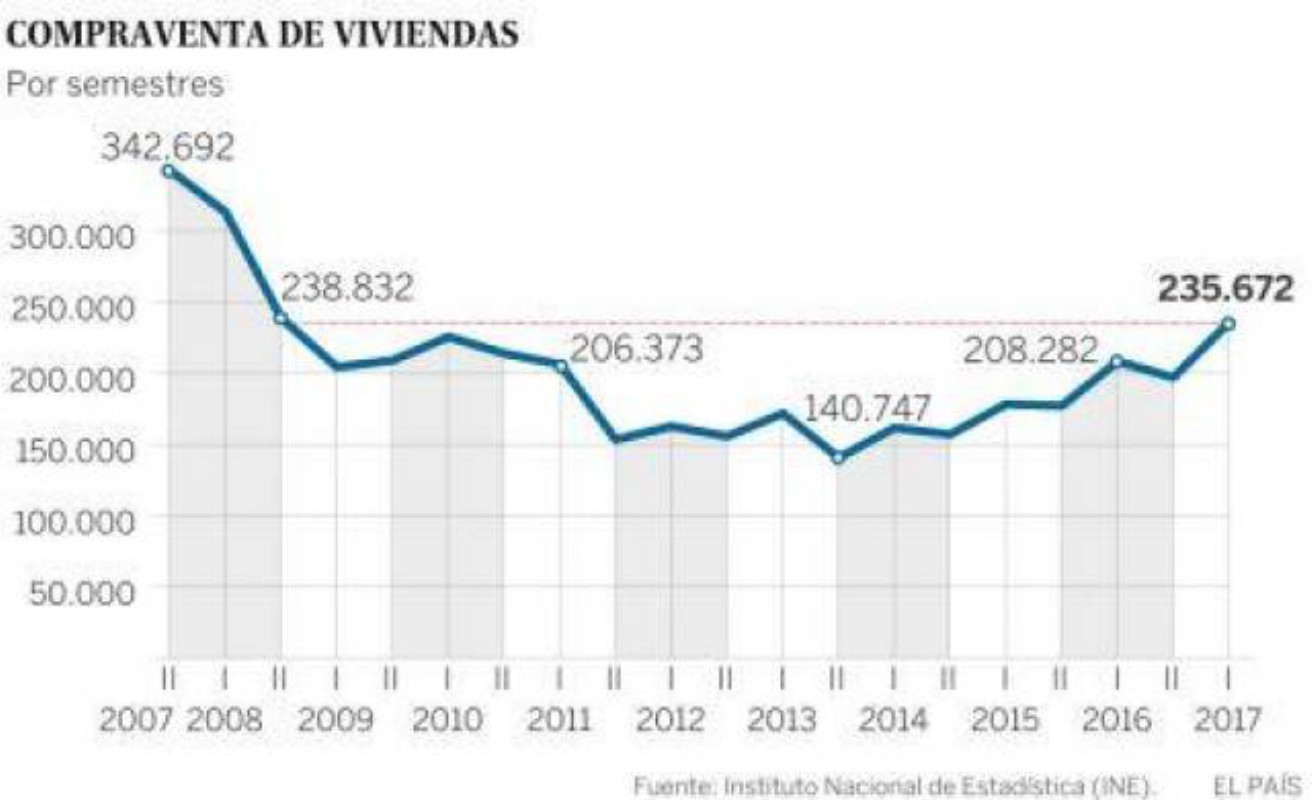
To be honest, the current Spanish property market is a bit confusing. On one hand, with the European Central Bank’s high interest rates, borrowing costs are soaring, which should theoretically cool the market down. On the other hand, in major cities like Madrid and Barcelona, as well as on the southern Costa del Sol in places like Málaga and Alicante, prices don’t seem to have dropped much. In fact, prime locations are even seeing price increases. I believe this is mainly due to overwhelming demand from international buyers and investors, especially from North America and other European countries, who see Spain as a safe haven for assets and a retirement paradise.
How to Choose Among Popular Cities?
The situation varies significantly from city to city, so you can’t generalize. I’ve put together a simple table to compare my personal views on a few popular cities:
| City | Pros | Cons |
|---|
| Madrid | Capital, economic hub, stable rental demand | High property prices, significant investment barrier for city center |
| Barcelona | Cosmopolitan city, strong tourism industry | High property prices, tourist tax, risk of policy changes |
| Valencia | More reasonable prices, low cost of living, has beaches | Fast appreciation in recent years, good properties are in high demand |
| Málaga | Heart of the Costa del Sol, popular with Northern Europeans | Highly seasonal, prices have been driven up significantly |
I personally favor Valencia; it feels like a sweet spot balancing value for money and growth potential. Of course, it all depends on your budget and investment goals. If your goal is stable rental returns, and considering the property market recovery, certain areas in Madrid are still the top choice. If you have deep pockets and are interested in the history of Spanish property, then you might as well go check out the sea-view villas in Marbella, haha.
What Should New Investors Look Out For?
Finally, a few reminders for those thinking of getting into the market:
- Don’t get carried away by the “Golden Visa”: Although the new policy isn’t fully in effect yet, the path to obtaining residency by purchasing a €500,000 property, given the current [Spanish property prices], is becoming increasingly narrow. Your investment focus should be on the intrinsic value of the property itself.
- Calculate the holding costs carefully: In Spain, property tax (IBI), community fees (gastos de comunidad), insurance, utilities, and personal income tax on rental income are all holding costs. Be sure to calculate them clearly before buying. The community fees for some older buildings can be shockingly high.
- Location, location, location: The saying
you get what you pay for is absolutely true when it comes to buying property. It’s better to buy a smaller, older place in a great location than a large villa in a remote suburb. You’ll face headaches with renting it out and reselling it down the line.
There are still opportunities in the Spanish property market, but the days of making money with your eyes closed are over. Now, it’s more about having a good eye and patience. I’m curious, which city are you most interested in? Or are there any folks who have already taken the plunge and would like to share their experiences?
