Having recently arrived in Spain, I’ve developed a keen interest in the local houses. I feel that Spanish architectural styles are incredibly diverse and have a unique character, unlike the cookie-cutter ‘matchbox’ houses you see in many other places. I’ve been looking at some properties and have done a bit of research, so I wanted to share some of the key features of Spanish-style homes that I’ve noticed. This is just to get the ball rolling, and I’d love for everyone to add their own observations!
Southern Charm: The White Romance of Andalusia
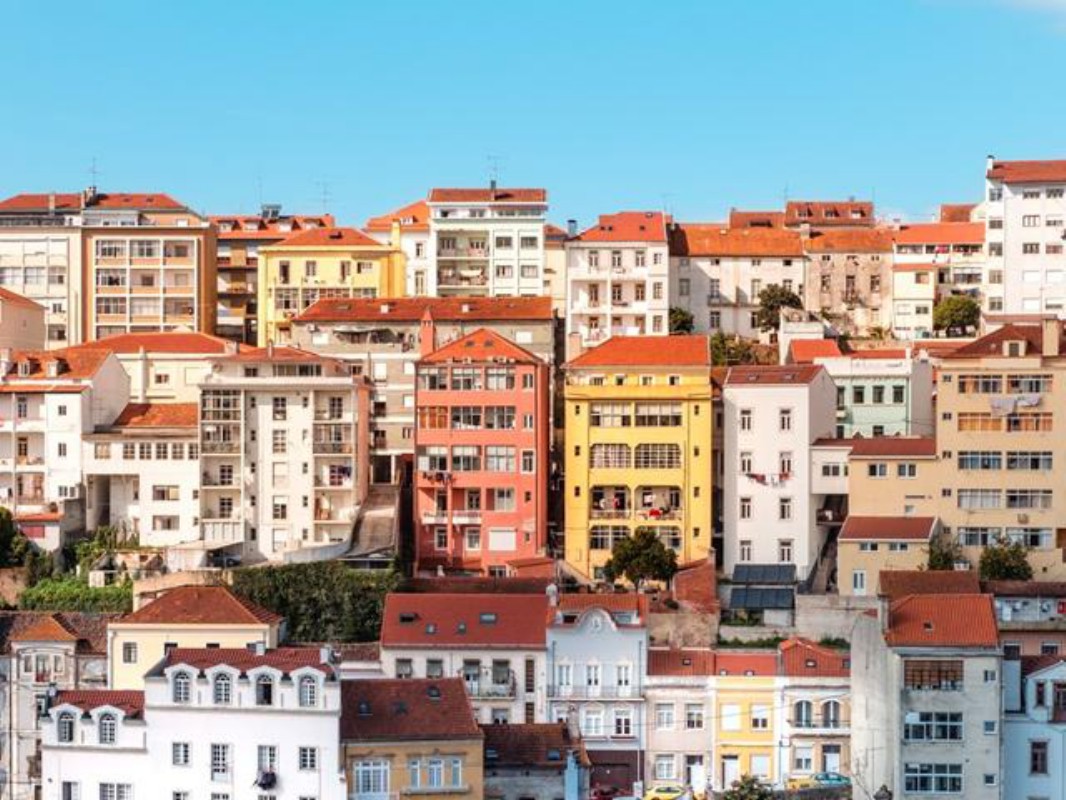
When I think of Spanish houses, the first thing that comes to mind are the white houses of the Andalusia region. This style is an absolute classic! The exterior walls are uniformly painted white, mainly to reflect the strong summer sun and keep the interior cool—very practical. The roofs are typically made of red terracotta tiles, often complemented by blue flower pots and vibrant geraniums, creating a striking, photogenic color contrast. These houses often feature an internal courtyard known as a ‘patio,’ which is truly the soul of the home. It not only ensures good lighting and ventilation but also provides a very private family space, embodying various Spanish interior design styles.
Practicality First: The Design Philosophy of the Mediterranean Coast
Along the Mediterranean coastline, for instance in the Balearic Islands or parts of Catalonia, the house designs are also very distinctive. The houses here, often seen in Spanish real estate ads, also prioritize sun protection and ventilation. Shutters (persianas) are a standard feature on every home; lowered during the day to block the sun and raised at night to let the sea breeze in to regulate the temperature. Additionally, huge terraces are a major highlight. Many sea-view properties have terraces larger than their living rooms. Furnished with tables, chairs, and loungers, they essentially become a second living area. After all, in Spain, enjoying the sunshine is a serious business!
| Feature | Description | Main Function |
|---|
| White Walls | Exterior walls painted with lime or white paint | Reflect sunlight, lower indoor temperature |
| Terracotta Roof | Red or orange curved tiles | Drainage, insulation, aesthetics |
| Internal Courtyard (Patio) | Open-air space in the center of the building | Lighting, ventilation, family activities |
| Shutters (Persianas) | Adjustable window coverings | Shading, ventilation, privacy protection |
The Art in the Details: Tiles and Wrought Iron
Finally, I want to mention the ubiquitous details in Spanish architecture. First is the use of ceramic tiles, which is simply masterful! From the walls and floors of kitchens and bathrooms to courtyard fountains, staircase risers, and even house numbers, you can see beautifully patterned tiles everywhere. They are not only waterproof and durable but are a decorative art form in themselves. Another key element is wrought iron. The railings of balconies, window grilles, and courtyard gates are often crafted from handmade black wrought iron. Their elegant shapes and strong lines add a touch of softness and sophistication to the solid architecture. I feel these details are the true essence of the charm of Spanish homes.
A Spanish house is more than just a place to live; it’s like a work of art that blends history, climate, and lifestyle. Every time I take a walk, I can’t help but admire the buildings along the way. What interesting houses have you all seen in Spain? Or does your own home have any special design features? Let’s chat about it!
