I’ve noticed a growing number of people on the forums talking about buying property, and it seems many are eager to set down roots in Spain. Having lived in Spain for several years myself, from renting initially to now looking into buying, I thought I’d share some of my personal observations on the appreciation potential of Spanish real estate. This isn’t professional advice, just some food for thought for our discussion.
Why I’m Bullish on Spanish Real Estate
Spain’s economy is recovering quite steadily within the Eurozone, its tourism sector is making a strong comeback, and international capital is showing confidence in the country. More people and more money naturally lead to higher demand for housing. This is especially true in major cities and popular tourist areas like Madrid, Barcelona, and Málaga, which are seeing significant net population inflows. With demand this strong, it’s hard for property prices not to have solid support.
Compared to the core cities of other major European countries, Spain’s property prices are still in a relatively reasonable range. Although they have risen in recent years, the bubble isn’t as dramatic as some might fear regarding Spanish property appreciation, making the entry barrier for long-term investors not unreasonably high. Furthermore, the quality of life in Spain is genuinely high—sunshine, great food, a relaxed pace—which is a huge draw for retirees and holidaymakers worldwide. This stable demand significantly supports the value of Spanish real estate.
Which Areas Are Worth Focusing On?
Not everywhere is appreciating at the same rate. Personally, I’m optimistic about the following areas:
Madrid and Barcelona: The Eternal Kings. As Spain’s economic and political hubs, they offer abundant job opportunities, a high degree of internationalization, and excellent educational resources. Property here is like a ‘hard currency’—resilient to risk, with long-term appreciation being a high probability. The downside is the high cost and entry barrier.
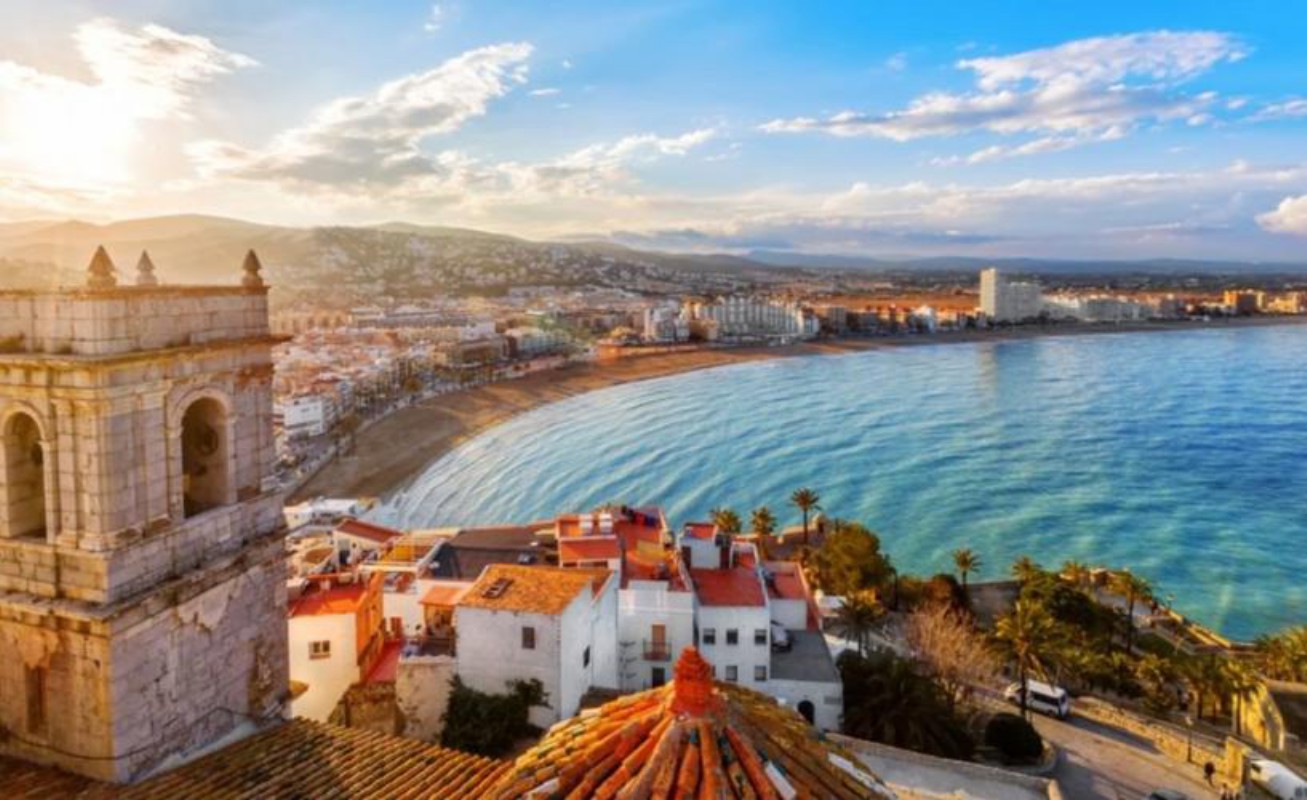
Valencia and Málaga: The Rising Stars. These two cities have been developing rapidly. With pleasant climates and lower living costs than Madrid or Barcelona, they’ve attracted a large number of digital nomads and European retirees. Málaga, in particular, is being dubbed the new ‘Silicon Valley’ as tech companies flock there, showing immense potential.
The Islands: Holiday paradises that offer very attractive seasonal rental income. However, risks from policy changes and maintenance costs need to be considered, making them more suitable for experienced investors.
Here’s a simple comparison I’ve put together for a clearer view:
| City/Region | Investment Advantages | Main Risks |
|---|
| Madrid/Barcelona | Stable demand, strong resilience | High prices, relatively limited room for growth |
| Valencia/Málaga | High potential, rapid growth | Infrastructure is still developing |
| Island Regions | High rental yields | Highly affected by tourism and policy changes |
I believe the long-term outlook for Spanish real estate is positive, but it’s not a market where you can profit with your eyes closed. Choosing the right city and area is key. Interest rates are high right now, which might increase mortgage pressure. But on the flip side, this has also filtered out some speculators. For those genuinely looking to buy a home for themselves or as a long-term investment, this could actually be a good time to browse and choose carefully. What are your thoughts? Feel free to leave a comment below and join the discussion!
