Lately, there have been more and more posts on the forum discussing the cost of living, and I’ve seen several friends asking about buying property. I’ve been in Spain for a few years now, and after a long time renting, I started thinking about buying. I’ve spent over half a year researching it, so today I’m starting this thread to share my thoughts on the investment value of Spanish real estate. These are just my personal views, and I welcome everyone to join the discussion.
Why Consider Buying Property in Spain?
For me, the initial thought was simple: the monthly rent isn’t cheap, and after a few years, it feels like you’re just ‘working’ for the landlord. If I could convert that money into a mortgage payment for the value of Spanish real estate, the property would eventually be mine. After digging deeper, I found that Spanish property has quite a few attractive points:
- Stable Rental Yields: Especially in major cities and popular tourist areas like Madrid, Barcelona, and Málaga, rental demand is consistently high. I did the math, and achieving an annual rental yield of 4%-6% for a well-located apartment is quite realistic. That’s much better than the paltry interest you get from keeping money in the bank.
- A Relatively Stable Asset: Compared to the volatile stock market, real estate, as a tangible asset, has a more stable value and greater risk resistance. Although the market fluctuates, in the long run, property prices in core areas tend to rise steadily.
- Improved Quality of Life: This is more of a personal point. Owning your own home provides a sense of belonging and security that renting can’t replace. You can decorate it to your own taste without worrying about the landlord’s approval. Plus, Spain’s climate and pace of life are genuinely pleasant and livable.
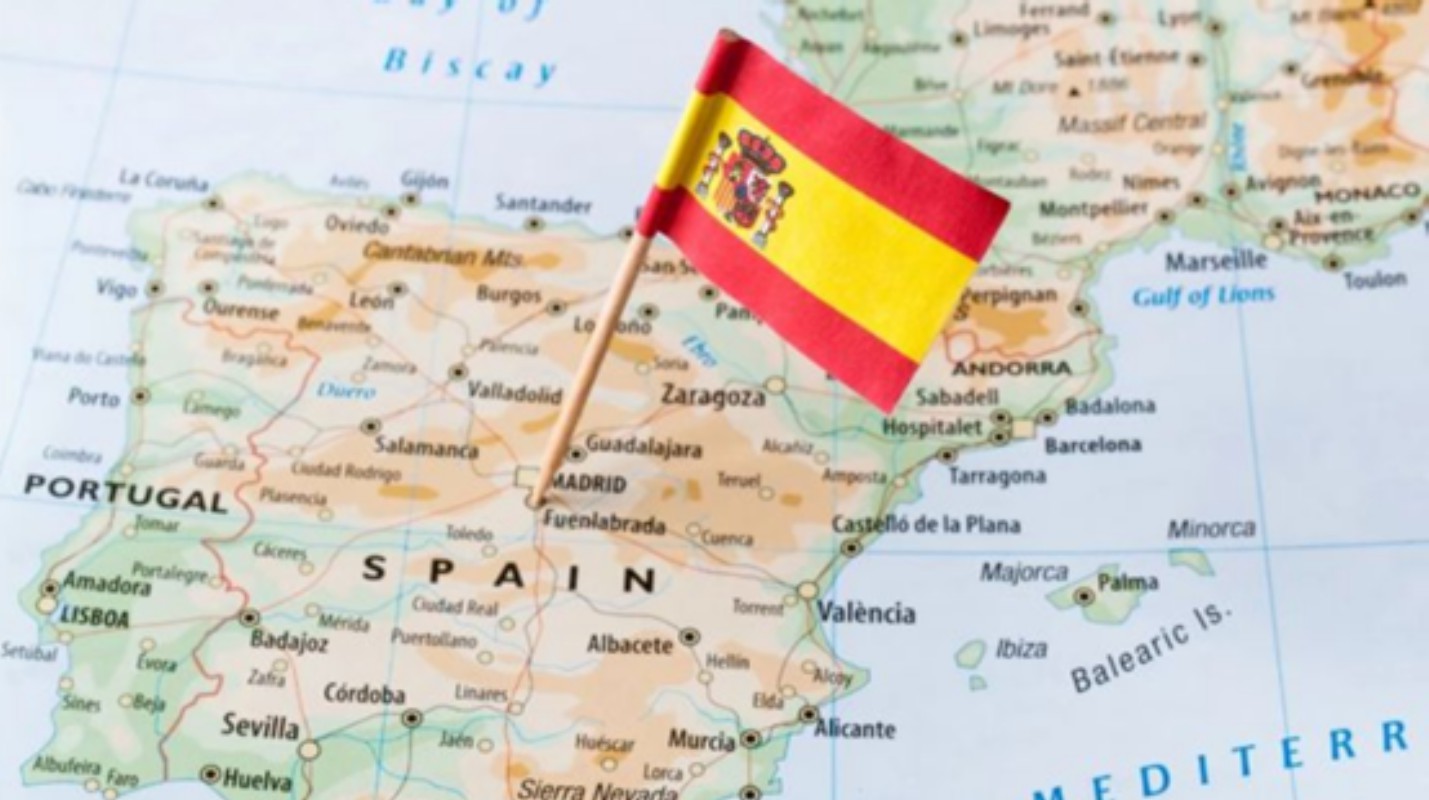
Which Cities Have the Most Potential?
There’s no single right answer to this; it all depends on your budget and investment goals. Based on my research, the main options are concentrated in these few locations:
| City | Pros | Cons |
|---|
| Madrid | Capital city, economic hub, extremely high rental demand, strong value retention | High property prices, fierce competition for good properties in the city center |
| Barcelona | Cosmopolitan city, booming tourism, attracts global buyers | Also has high property prices, a tourist tax, and tightening regulations in some areas |
| Valencia | More affordable property prices, lower cost of living, rapid growth in recent years | Fewer job opportunities than Madrid and Barcelona |
| Málaga | Heart of the Costa del Sol, popular with Northern European retirees, good rental returns | Crowded with tourists in summer, can be noisy, rapid price appreciation |
Personally, I’m more inclined to look for opportunities in the suburban areas of Madrid or Valencia. The city centers are great, but prices are already very high, and the potential for appreciation might be limited. In contrast, well-connected suburbs with mature communities, where prices aren’t as exorbitant, may hold greater future potential.
Some Pitfalls to Avoid
Investing is not without its risks. During my property viewings, I also discovered some issues that I want to warn everyone about:
- Maintenance Costs for Old Buildings: Many old buildings in Spanish city centers look charming, but they might have issues with plumbing, wiring, or walls. Subsequent maintenance and renovation can be a significant expense.
- The ‘Okupa’ Risk: While it’s not a widespread phenomenon, squatting does exist. Therefore, security and the neighborhood environment are crucial when choosing an area and property type. Be especially cautious with properties that have been vacant for a long time.
- Taxes and Holding Costs: Buying a property isn’t just about the purchase price. There are also transfer taxes, notary fees, registration fees, etc., which can add up to about 10% of the property price. After purchasing, there are annual property taxes, community fees, and if you rent it out, income tax. All these costs need to be calculated in advance.
I believe that investing in Spanish real estate is still a good choice, as long as you do your homework and select the right area and property. It might not make you rich overnight, but as a long-term, stable asset allocation, it has a good chance of outperforming inflation and generating a steady cash flow. What are your thoughts? Are there any friends here who have already bought property in Spain and would be willing to share their experiences?
