Lately, more and more people on the forums are discussing buying a home, and many are wondering about one key question: If I buy a property in Spain now, is there significant potential for appreciation in the future? It’s actually a complex question with no single right answer. I’ve been living here for nearly a decade and have witnessed the ups and downs of the property market, so I thought I’d share my own views. Let’s all discuss it together.
Big Cities vs. Coastal Towns
When it comes to appreciation, location is the first thing to consider. In major international cities like Madrid and Barcelona, there’s a constant influx of people, bustling economic activity, and top-tier educational and medical resources. The ability of property here to hold and increase its value is undeniable. This is especially true for prime areas like Madrid’s Salamanca district or Barcelona’s Eixample. Although the entry barrier is high, the long-term stability of these assets is unmatched by smaller cities. The downside, however, is that the growth in Spanish property value might not be a thrilling rollercoaster ride, but rather more of a steady increase.
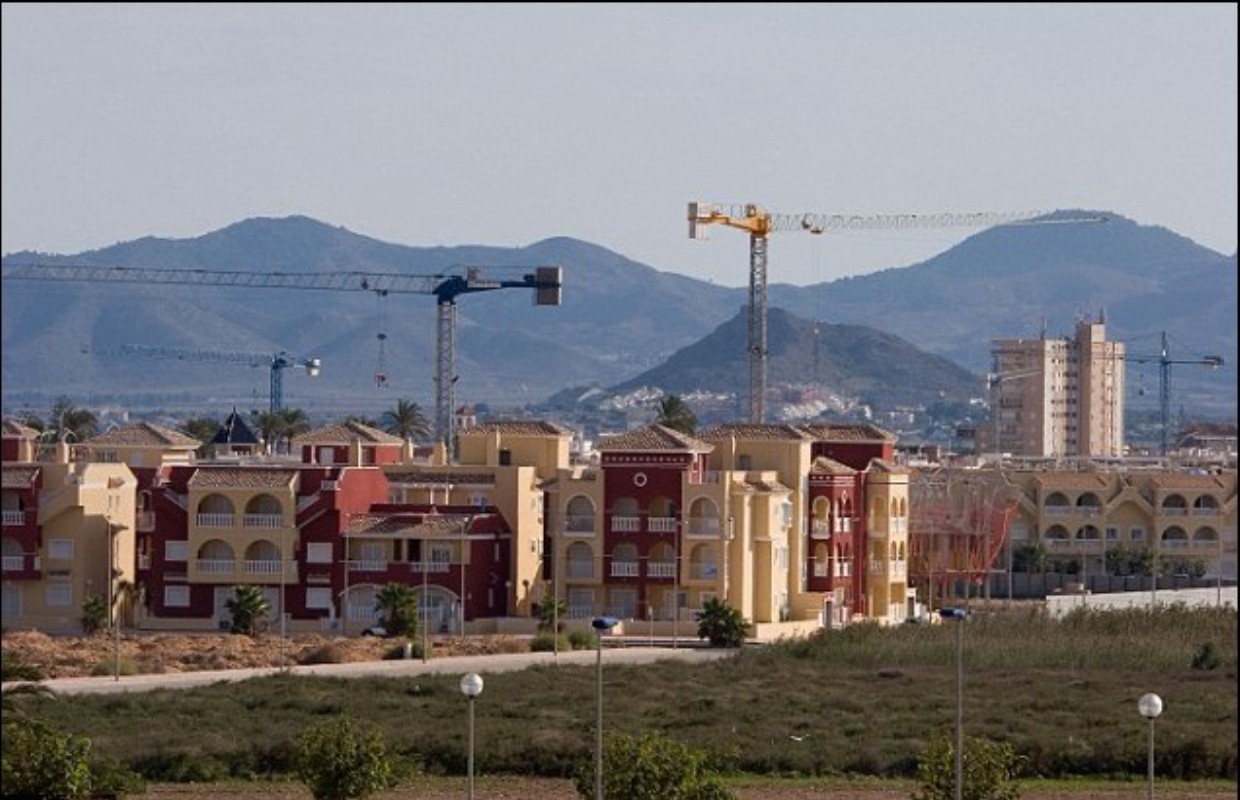
In contrast, southern coastal cities like Malaga and Alicante have seen dramatic price hikes in recent years, driven by tourism and the rise of digital nomads. Properties here, especially apartments near the beach, are not only great for personal use to enjoy the sun but also offer very attractive rental yields. However, the risk is also relatively higher, as tourism is heavily influenced by the broader economic climate. A friend of mine bought a small apartment by the sea in Malaga two years ago and made a good amount from short-term rentals last summer. But he admits he’s a bit nervous, worrying about what would happen if the number of tourists drops.
Key Factors Influencing Property Prices
Besides location, several other factors directly affect your property’s value. For example, the condition of the house—does it need a major renovation, or is it move-in ready? Another is the energy efficiency rating; people are paying more and more attention to this now. A property with a high rating is not only more comfortable to live in but also easier to sell in the future. I’ve put together a simple table for a clear comparison:
| Factor | Positive Impact | Negative Impact |
|---|
| Location | City center, good school district, excellent transport links | Suburbs, poor safety, few amenities |
| Condition | Newly renovated, has an elevator, good orientation | Old, needs major repairs, no elevator |
| Features | Includes garage, storage room, swimming pool | Proximity to noise sources |
| Energy Efficiency | Rating A/B/C | Rating F/G |
Whether Spanish property is a worthy investment with good appreciation potential really depends on the individual, your needs, and your risk tolerance. If you’re buying a home to live in, comfort and convenience should always be the top priorities, with appreciation being an added bonus. If it’s purely for investment, you’ll need to do more homework on Spanish property, carefully studying market reports and future development plans for different areas. Feel free to share the property price situation in your own cities to give each other some reference!
