Lately, I’ve noticed more and more discussions on forums about buying a house. Indeed, after settling down here, many people consider purchasing a property to call home. I’ve just gone through this process, learned from a few mistakes, and gained some experience. Today, I’d like to share the common channels for buying a home in Spain, hoping to help those of you on your property search.
Online Real Estate Portals
This is likely the first and most convenient method you’ll encounter. Similar to how you might use property portals in your home country, the main platforms here in Spain are Idealista and Fotocasa. They feature a vast number of listings, including apartments, villas, new builds, and second-hand homes. You can filter by area, price, property type, and more, making the search very intuitive.
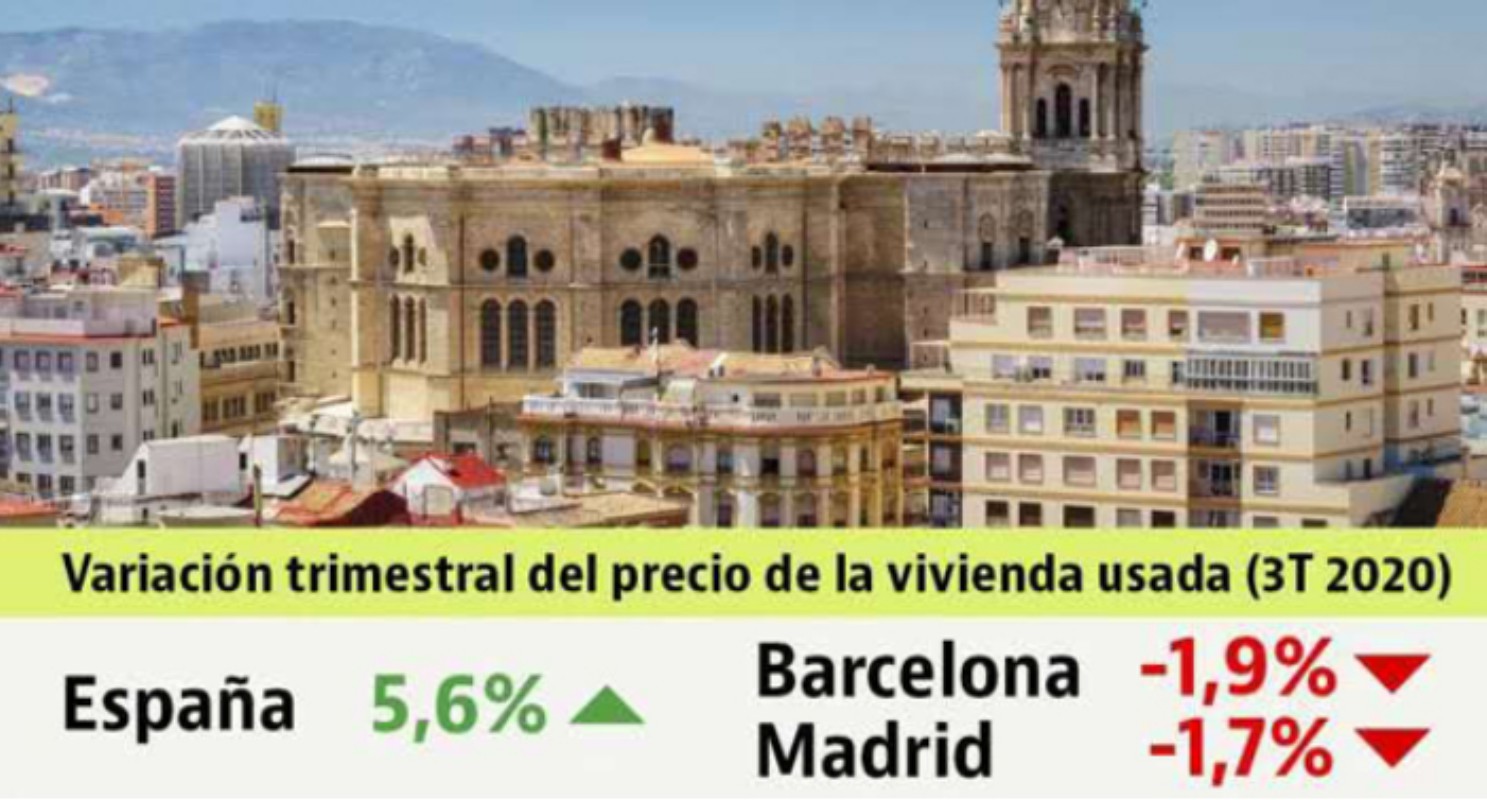
The advantage is information transparency, allowing you to browse and compare prices from home. However, be aware that the information isn’t always 100% accurate. Many listings are posted by agents, and some might even be “bait” listings with unusually low prices to attract inquiries. So, when you find a property you like, you must verify the information from multiple sources, and a physical viewing is essential. It’s also worth looking into the necessary paperwork, like obtaining an overseas property certificate.
Traditional Real Estate Agencies
Walking down any street, you’ll see numerous real estate agency offices, from major chains like Tecnocasa and Redpiso to smaller, local agencies serving specific neighborhoods. The benefit of using an agent is convenience. They often have firsthand access to listings, some of which may not be available online. They will arrange viewings, negotiate with the owner, and prepare contract documents, which is a huge help for newcomers who are not fluent in Spanish or familiar with the process.
Of course, there’s no such thing as a free lunch. Agents’ services come at a cost, typically 3%-5% of the property price, paid by the buyer, the seller, or shared between them. Be sure to clarify this from the start. It’s crucial to choose a reputable agency with a physical office to avoid potential scams.
Bank-Owned Properties
This is a more specialized channel. Many banks hold properties that have been repossessed due to mortgage defaults, which they sell through their own real estate platforms. These properties are often priced below market value, which can be an excellent opportunity for investment and property appreciation. Additionally, if you secure a mortgage from the same bank, you might be offered more favorable loan terms.
However, bank-owned properties have clear downsides. They are often in poor condition, having been neglected for years, and may require a substantial renovation budget. The process can also be more complex and demand more patience. Here’s a simple comparison of the channels:
| Channel | Pros | Cons |
|---|
| Online Portals | Many listings, transparent info, fast & convenient | Information can be inaccurate, “bait” listings exist |
| Traditional Agencies | Hassle-free, professional guidance, high reliability | Agency fees required, higher cost |
| Bank-Owned Properties | Price advantage, potential mortgage benefits | Often in poor condition, more complex process |
| Private Sales | No agency fees, flexible negotiation | High risk, no protection, DIY process |
A Few Personal Takeaways
No single channel is definitively the best; it all depends on your needs and situation. If you’re a beginner, I suggest starting with online portals to get a feel for the market, then connecting with a reliable local agent to delve deeper. Regardless of the method you choose, two steps are absolutely essential: visiting the property in person and having a lawyer review the contract! Best of luck to everyone in finding their dream home in Spain!
