Lately, there have been more and more posts on the forum discussing buying versus renting, and it feels like everyone is a bit anxious about the future’s uncertainty. I’m in the same boat. I’ve been pondering the direction of the Spanish real estate market over the next few years, wondering whether I should act now with my current budget or wait and see. I wanted to write down some of my preliminary thoughts to get the ball rolling and hopefully start a conversation with fellow members.
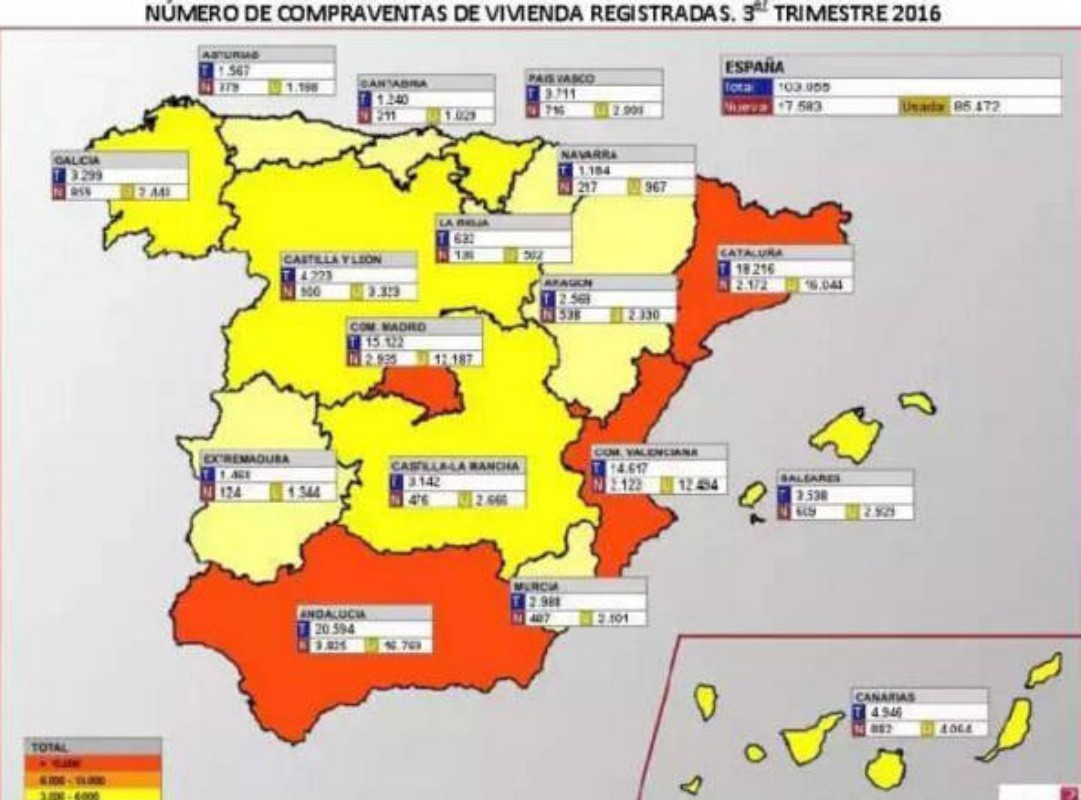
Key Factors Influencing the Spanish Housing Market in the Coming Years
Interest Rates and Credit
First and foremost is the European Central Bank’s interest rate policy. To combat inflation, they aggressively raised rates recently, causing mortgage rates to soar. This significantly increased the cost of buying a home, pricing many people out of the market. Now, with inflation showing signs of easing, the market generally expects that rate cuts for Spanish property could begin next year. If rates do fall, the burden of mortgages will lessen, potentially stimulating a wave of purchasing demand. However, the timing and extent of these cuts are uncertain, making it a major variable.
Impact of the New Rental Law
Last year’s new housing law has also had a significant impact, especially in the so-called “stressed rental market areas.” While its intention was to protect tenants, many landlords have found it cumbersome and have either stopped renting out their properties or switched to less-regulated seasonal short-term rentals. This has led to a reduction in the availability of long-term rentals, making them scarcer and more expensive. For those considering buying a property to rent out, it is essential to carefully research the specific effects of this law in your area; otherwise, the returns on buying property in Spain may not meet your expectations.
The Strong Recovery of Tourism
The final point is tourism. Spain’s tourism industry has made a powerful comeback. In popular tourist destinations like Málaga, the Balearic Islands, and the Canary Islands, the influx of visitors has created exceptionally high demand for holiday apartments. This has directly pushed up property prices and rental rates in these areas. If you are considering buying property here, whether for personal use or investment, you must account for the premium driven by tourism. Of course, this also means that if you purchase a property for short-term rentals, the cash flow could be very substantial.
| Factor | Potential Impact on House Prices |
|---|
| ECB Interest Rate Cuts | Positive, lowers the barrier to entry for buyers, stimulates demand |
| New Rental Law | Negative/Neutral, increases uncertainty for long-term rental income |
| Tourism Recovery | Positive, drives up prices and rents in tourist areas |
| Rising Construction Costs | Positive, keeps new-build prices firm, supporting the second-hand market |
Personally, I feel that the Spanish property market in the next few years won’t see major booms or busts but is more likely to experience divergence across different regions. Properties in major cities and popular coastal areas should retain their value and offer good potential for appreciation due to stable demand. In contrast, some smaller inland cities might see flatter prices or even face some pressure. What are your thoughts? I’d love to hear everyone’s opinions, especially from those who have already bought a property or are currently in the process of looking. Your experience is invaluable!
