I’ve recently seen a lot of heated discussion in the forums about investing in Spanish real estate. As someone who has lived here for many years and has gone through the process of buying a few properties myself—a ‘veteran,’ if you will—I feel compelled to offer a reality check and a word of caution. The Spanish property market certainly has its opportunities, but it’s also fraught with risks, especially for foreigners like us who aren’t completely familiar with local laws and the market. There are many traps. Today, I’ll share some typical scams I’ve personally experienced or heard about from friends, hoping it helps everyone stay vigilant.
Common Real Estate Investment Scams
1. The Deposit Scam
This is one of the most common scams. Fraudsters will post photos of properties priced well below market value—real ‘bargains’—that are beautifully decorated and in prime locations. They seem too good to be true. When you contact them, they’ll claim the property is in high demand with a long waiting list, and to secure it, you need to immediately pay a deposit, usually a few thousand euros. They will pressure you with various excuses, such as the owner being abroad and needing cash urgently, or that someone else will rent/buy it immediately if you don’t pay the deposit. Once you transfer the money, they vanish into thin air. Remember, do not pay a single cent until you have seen the property title deed (Nota Simple), verified the seller’s identity, and signed a formal contract
!
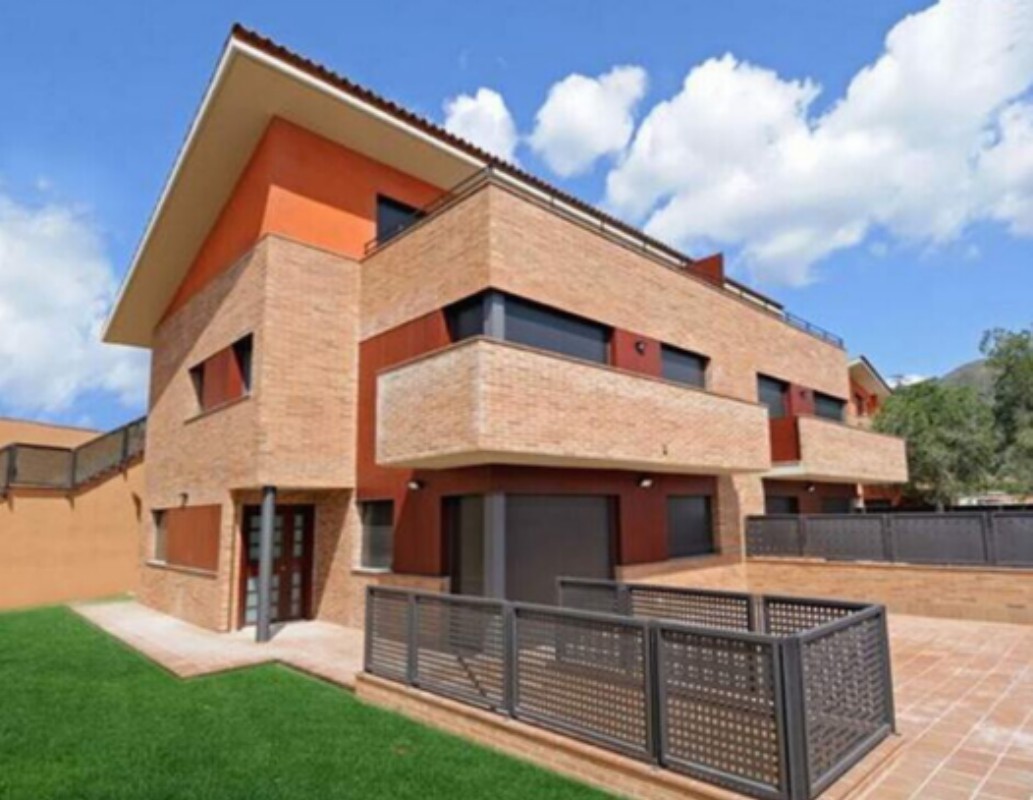
2. Ghost Agents and Fake Landlords
Some so-called ‘agents’ are not even registered with the government; they’re just shell companies or fly-by-night operations. They might show you a real property, then forge property documents and impersonate the owner to sign a contract with you, tricking you out of a large down payment. After you’ve paid, the real owner shows up, and you realize you’ve been scammed. This is a common tactic in real estate immigration scams
. Therefore, when choosing an agent, you must verify their credentials, such as their registration number (e.g., API number). When signing with the owner, it’s crucial to have a lawyer verify that the owner’s identity matches the information on the property title deed.
3. Concealed Debts or Legal Issues
This is a very subtle trap. Some dishonest sellers or agents will deliberately hide existing debts on the property, such as unpaid community fees (comunidad), utility bills, local taxes (IBI), or even an outstanding mortgage. According to Spanish law, these debts are tied to the property, not the owner. This means that once you take over, you become responsible for paying them off. Furthermore, some properties may have illegal constructions or be at risk of expropriation by the government. Therefore, before buying, it is essential to have your lawyer obtain an up-to-date property information report (Nota Simple Informativa) from the Land Registry to uncover the property’s entire history.
Scam Detection Checklist
To help you remember, I’ve created a simple table. Be on high alert if you encounter any of the following:
| Red Flag | Recommended Action |
|---|
| Price far below market value | It’s a trap 99% of the time. Stay rational. |
| Being asked to pay a deposit before viewing | Absolutely refuse |
| ![/color] |
| Pressure to close the deal quickly | Stick to your own pace and involve a lawyer. |
| Agent has no physical office or credentials | Find a new agent immediately. |
| Vague documents or refusal to provide them | Treat it as fraud and walk away. |
When investing in Spanish real estate, it’s crucial to stay level-headed and don’t always dream of finding a hidden bargain. Leave professional matters to professionals. Hiring an independent and reliable lawyer is essential; this is an expense you absolutely should not skimp on. I hope my sharing has been helpful. Feel free to add your own experiences in the comments to help more people see this and avoid being scammed!
