Lately, Spain’s new housing law has been a hot topic, especially the policy regarding ‘vacant properties’, which seems to affect everyone living in Spain. Whether you’re a landlord with multiple properties or currently renting, it’s worth taking a few minutes to understand it. I’ve looked into the official text of the law and some news reports to summarize the key points about the vacant property tax for you. Let’s discuss!
First, it’s important to clarify that this isn’t a one-size-fits-all national policy. Instead, it authorizes autonomous communities and city councils to decide whether and how to implement the Spanish vacant property tax. So, whether your property will be subject to this extra ‘vacant tax’ depends on your city. Regions like Catalonia, and especially ‘high-pressure housing areas’ like Barcelona, are likely to be among the first to adopt it.
What Exactly is the Vacant Property Tax?
Simply put, it’s an additional penalty levied on top of the existing property tax (IBI) for properties that have been vacant for a long time. This surcharge is not insignificant; according to the law, city councils can apply an IBI surcharge of 50% to 150%. The specific rate depends on how long the property has been vacant and the number of vacant properties owned by the same person.
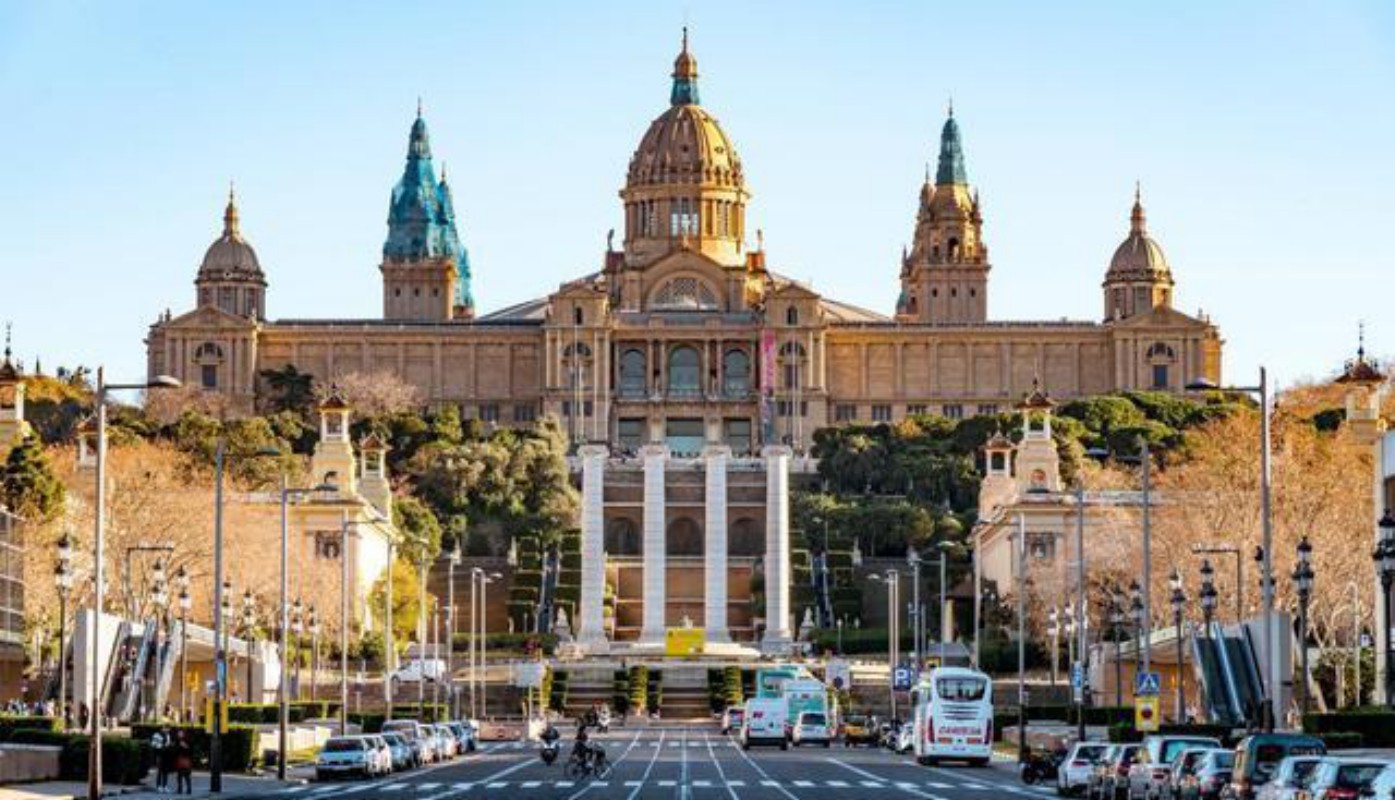
What Qualifies as a “Vacant Property”?
According to the law’s definition, a property is considered “vacant” if it meets several conditions simultaneously:
- It has been continuously unoccupied for more than 2 years.
- The owner has 4 or more residential properties in the same municipality.
- There is no justified reason for the vacancy.
Therefore, if you’re an individual with just one primary residence or one or two rental properties, you generally don’t need to worry. This policy primarily targets ‘large-scale owners’ who hoard multiple properties, preferring to leave them empty rather than putting them on the rental market.
| Surcharge Rate | Conditions |
|---|
| 50% | Property vacant for more than 2 years. |
| 100% | Property vacant for more than 3 years. |
| 150% | The same owner has 2 or more properties in the same municipality that have been vacant for more than 2 years. |
The intention behind this policy is good—to push more empty homes onto the rental market and alleviate rental pressure. However, it’s hard to say what the actual effect will be. Will there be ‘policies from above and countermeasures from below,’ such as landlords passing the tax burden onto other tenants? It’s all very uncertain. What do you think about this policy? Is your city starting to discuss it? Feel free to share your thoughts in the comments! In the end, I suspect the cost will just be passed down to the consumer.
