I’ve recently come into some spare cash, and with news reports suggesting that Spanish property prices are on the rise again, I’ve started thinking about investing in real estate. But Spain is a big country, and figuring out where to buy is a real headache. I’ve spent some time researching a few popular cities and consulted with friends in the industry. I’ve compiled my thoughts here to share and discuss with everyone—I’d love to hear your insights.
The Traditional Powerhouses: Madrid & Barcelona
When it comes to buying property in Spain, most people’s first thought is naturally these two largest cities. Indeed, as the capital and a major economic and cultural hub, Madrid and Barcelona have the most mature and liquid property markets. Madrid’s strength lies in its status as the political and economic center. It’s home to many corporate headquarters, creating stable rental demand from high-earning professionals and international expats. This is especially true in affluent neighborhoods like Salamanca and Chamberí, where properties hold their value exceptionally well—the kind of ‘buy and sleep soundly at night’ investment. The downside? It’s expensive. The barrier to entry is high, and the rental yield might not be spectacular. It’s more geared towards long-term holding and asset preservation.
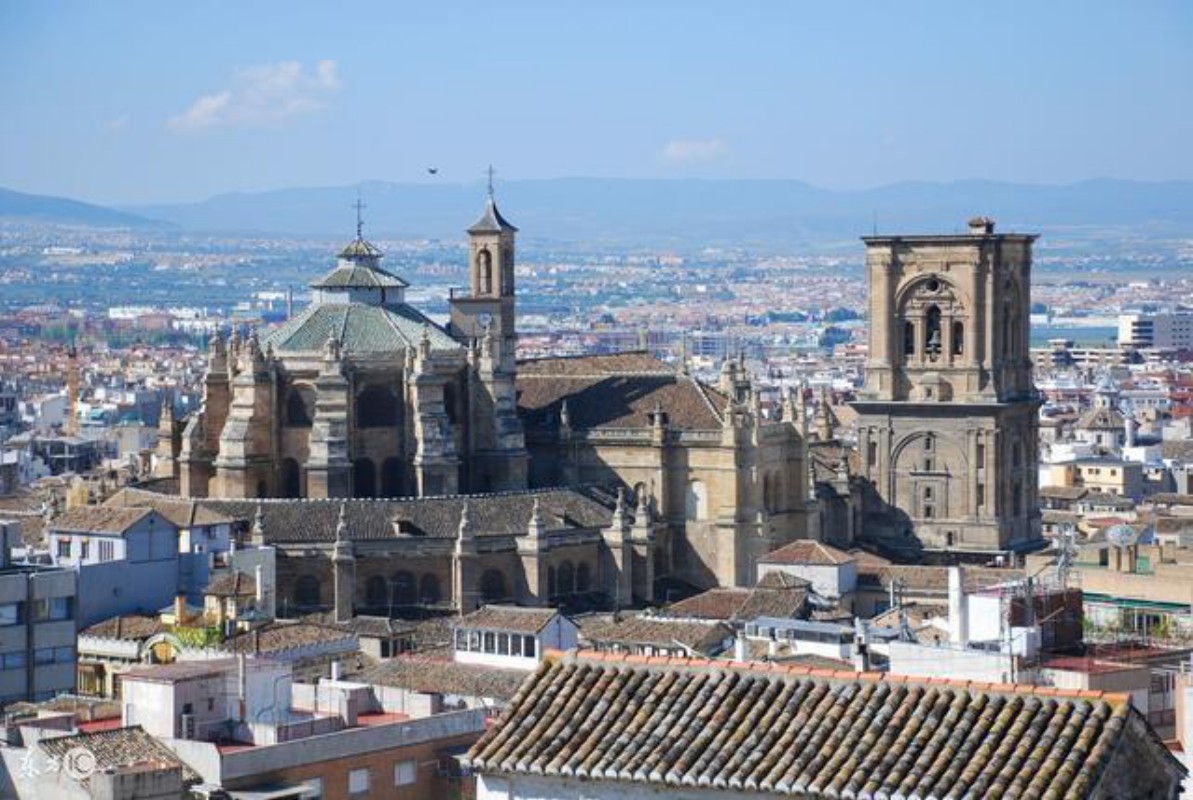
Barcelona, on the other hand, presents a different picture. As a world-class tourist destination, its real estate market is heavily tied to the tourism industry. Buying an apartment in areas like Gràcia or Eixample for short-term rentals can generate very attractive returns. However! The policy risks in Barcelona are also higher. The government is imposing more and more restrictions on short-term tourist rentals, and regulations are constantly changing. Furthermore, prices in many Spanish property regions in the city center have already been driven up significantly, and I feel there’s a risk of buying at the top of the market right now. Nevertheless, if you’re bullish on Barcelona’s long-term tourism growth and have the energy to navigate the complex short-term rental licensing process, it can still be a great cash cow.
Rising Stars and Potential Gems
Beyond the two major cities, I’ve turned my attention to other cities along the Mediterranean coast, particularly Valencia and Málaga. Valencia has been a real dark horse in recent years, often dubbed ‘the next Barcelona.’ Its cost of living is lower than in Madrid and Barcelona, the city is beautiful, the climate is pleasant, and it’s attracting a growing number of tech companies and digital nomads. Property prices have been rising quickly, but the overall cost is still much more affordable compared to the two giants. I’m personally very optimistic about its potential and feel that getting in now could lead to significant appreciation in the coming years.
Here’s a simple comparison table for a more intuitive overview:
| City | Pros | Cons | Investment Type |
|---|
| Madrid | Stable market, strong demand, excellent value retention | High prices, average rental yield | Conservative, long-term hold |
| Barcelona | Tourism boom, high short-term rental income | High policy risk, prices already at a peak | High risk, high reward |
| Valencia | Great value, high growth potential, good quality of life | Market not as mature as Madrid’s | Growth, value investing |
There’s no ‘best’ option, only the one that’s ‘best for you’. If you’re looking for stability and security, choose Madrid. If you’re more adventurous and aiming for high returns, you might explore opportunities in Barcelona. And if you’re like me, searching for a high-potential gem with great value, then Valencia is definitely worth a closer look. What are your thoughts? If anyone here has bought property in these cities, please come and share your experiences!
