I’ve recently arrived in Spain and started house hunting. I’ve noticed that detached houses have all sorts of names: Chalet, Villa, Finca… Every time I browse listings, it feels like a bit of a gamble. The names sound similar, but the properties themselves can be vastly different. After some research, I’ve finally got a handle on it and wanted to share my findings. I also welcome any corrections or additions from seasoned pros!
Common Types of Detached Properties in Spain
Honestly, the lines between these terms can be blurry, and even real estate agents sometimes use them interchangeably. However, you can generally distinguish them. Simply put, they can be understood based on their location, size, and purpose.
Chalet: The Most Common Type of Detached House
This is probably the term you’ll hear most often. Generally, a Chalet refers to a detached or semi-detached house located in the suburbs or a town. It usually has its own small garden or yard, and more upscale ones might include a private pool. Their main advantage is convenience, with good access to transport, schools, supermarkets, and other amenities, making them ideal for families with children. Chalets are further divided into several types:
- Chalet independiente/individual: A fully detached house, not connected to any other building on any side, offering the most privacy.
- Chalet pareado: A semi-detached house, sharing one wall with a neighbor. The gardens are often connected as well, and they are typically cheaper than fully detached ones.
- Chalet adosado: A terraced or townhouse, connected to neighbors on both sides, with only a small yard in the front and back. This is the most affordable type of Chalet.
Villa: The Luxury “Estate”
Villa already sounds quite high-end, doesn’t it? It typically refers to a very large, luxurious detached residence on a substantial plot of land, often located in the countryside, by the sea, or in a scenic mountain area. A Villa not only features large gardens and a big swimming pool but often comes with amenities like tennis courts or a private gym. They offer maximum privacy and are more like a private holiday estate. Naturally, their price is in the highest bracket, making them a common choice for the wealthy or as vacation properties.
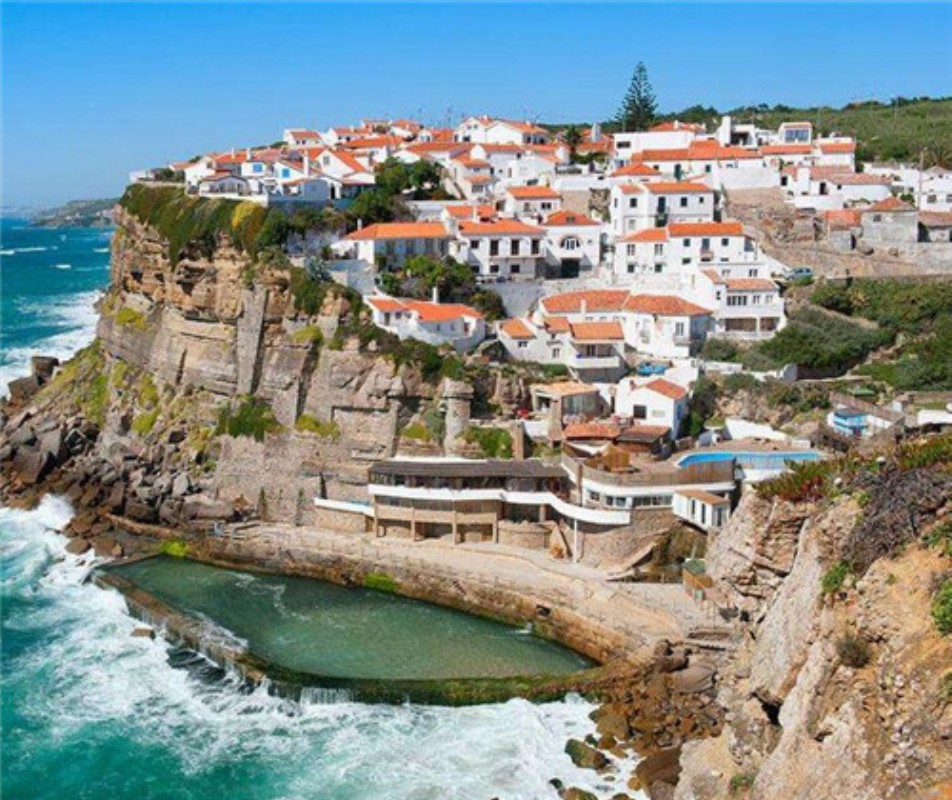
Finca / Casa Rural: The Country “Farmstead” or “Rural House”
If you dream of country living, perhaps in something like a Maresme coast villa, then a Finca or a Casa Rural is definitely for you. The literal meaning of Finca is “plot of land,” but in real estate, it specifically refers to a rural property with a large expanse of land. This land might feature orchards, olive groves, farmland, or just mountainous terrain. The house itself can be an old, traditional stone-built farmhouse, although many have been renovated into modern homes. A Casa Rural is similar to a Finca but leans more towards being a “country house” and doesn’t necessarily come with a large plot of productive land. These types of properties are far from the hustle and bustle of the city and boast beautiful surroundings. The downside is that daily life can be less convenient—sometimes even mobile phone signal is poor, and you can forget about high-speed internet. Many Fincas are now also being converted into boutique hotels or B&Bs.
To help you differentiate, here’s a simple summary table:
| Type | Primary Location | Key Features | Best Suited For |
|---|
| Chalet | Towns or suburbs | Detached/semi-detached/terraced, with a small garden | Families for daily living |
| Villa | Coastal/scenic countryside | Luxurious, large plot, fully equipped | Holidays, high-end residents |
| Finca | Countryside, rural areas | Comes with a large plot of land | Those who love country life, farming |
When buying or renting, don’t just rely on the name. Be sure to look closely at photos and descriptions, and most importantly, visit the property in person! What other interesting property types have you come across while house hunting? Let’s chat about it in the comments
!
