Hello everyone, I’ve been looking at country houses lately—you know, the charming old stone houses. They have so much character and are much more affordable than city properties. However, one question has been bothering me: property tax. Many people say there’s less hassle in the countryside, but does that mean you don’t even have to pay property tax?
After some research and asking around, I’ve realized that idea was a bit naive. The answer is: Yes, you do!/b] Whether you own a large apartment in the center of Madrid or a Finca Rústica in a small, unknown village in Andalusia, as the property owner, you are required to pay the annual property tax, known as IBI (Impuesto sobre Bienes Inmuebles), to your local town hall (Ayuntamiento). It’s a crucial source of local government revenue, and no one is exempt.
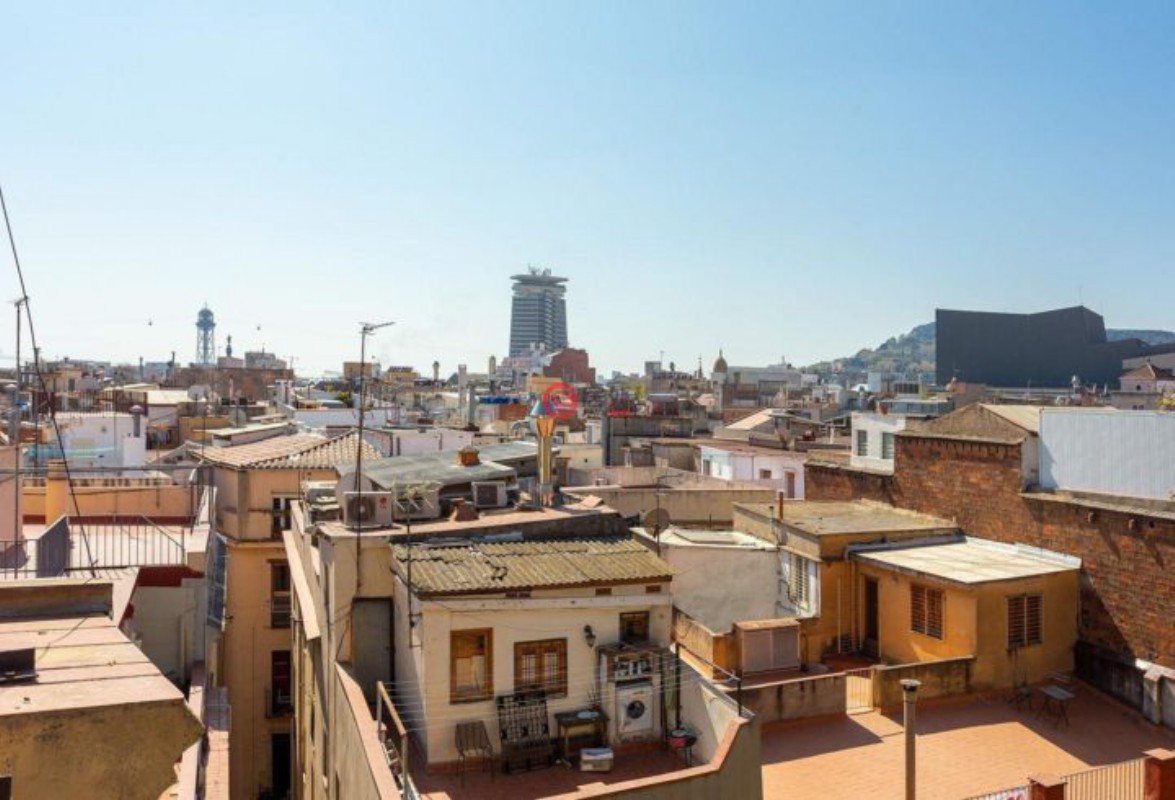
While everyone has to pay, there’s a significant difference in the amount between rural and urban areas. The IBI calculation is based on something called the ‘cadastral value’ (valor catastral), which is determined by a special government agency and is usually much lower than the market price. The cadastral value of rural properties is generally far lower than that of urban ones, so the final tax bill is also much smaller. From what I’ve learned, the annual IBI for a small country house might only be one or two hundred euros, or even less. Compared to the thousands of euros you might pay in the city, it’s a much lighter financial burden.
What Exactly Are the IBI Tax Rates?
The IBI tax rate isn’t uniform across the country; each municipal government (Ayuntamiento) sets its own rate within a range established by the state. I’ve put together a general table for reference. For the most accurate rate, you should always check the official website of the town hall where the property is located.
| Property Type | State-Mandated Minimum Rate | State-Mandated Maximum Rate |
|---|
| Urban Property | 0.4% | 1.1% |
| Rural Property | 0.3% | 0.9% |
As you can see from the table, both the minimum and maximum legal tax rates for rural properties are lower than for urban ones. For example, a country house with a cadastral value of €50,000, taxed at a rate of 0.4%, would have an annual IBI of €200. I think this is a perfectly acceptable expense for enjoying the tranquility of rural life.
If you’re thinking of buying a home and settling down in rural Spain, the IBI property tax is a mandatory holding cost to consider, but it is significantly cheaper than in the city. When you’re viewing properties, you can directly ask the owner or agent to show you the previous year’s IBI bill. This will give you a clear idea of the future expenses you’ll face with a Spanish rural property. I’m curious, how much IBI do you all pay for your country homes each year? Feel free to share and discuss!
