I’ve just gone through the whole ordeal of transferring ownership of a second-hand property in Madrid, and I’m completely wiped out… I ran into a few pitfalls but also learned a lot. While the memory is still fresh, I wanted to lay out the entire process for anyone on the forum who might need it. Whether you’re a buyer or a seller, many of the steps are similar, and I hope this helps you avoid some of the hurdles.
Core Process Overview
Essentially, the core of a Spanish property transaction can be broken down into three main stages: Reservation -> Signing the Private Purchase Contract -> Closing. Each stage involves key documents and costs to be aware of.
Step 1: Property Viewing and Reservation
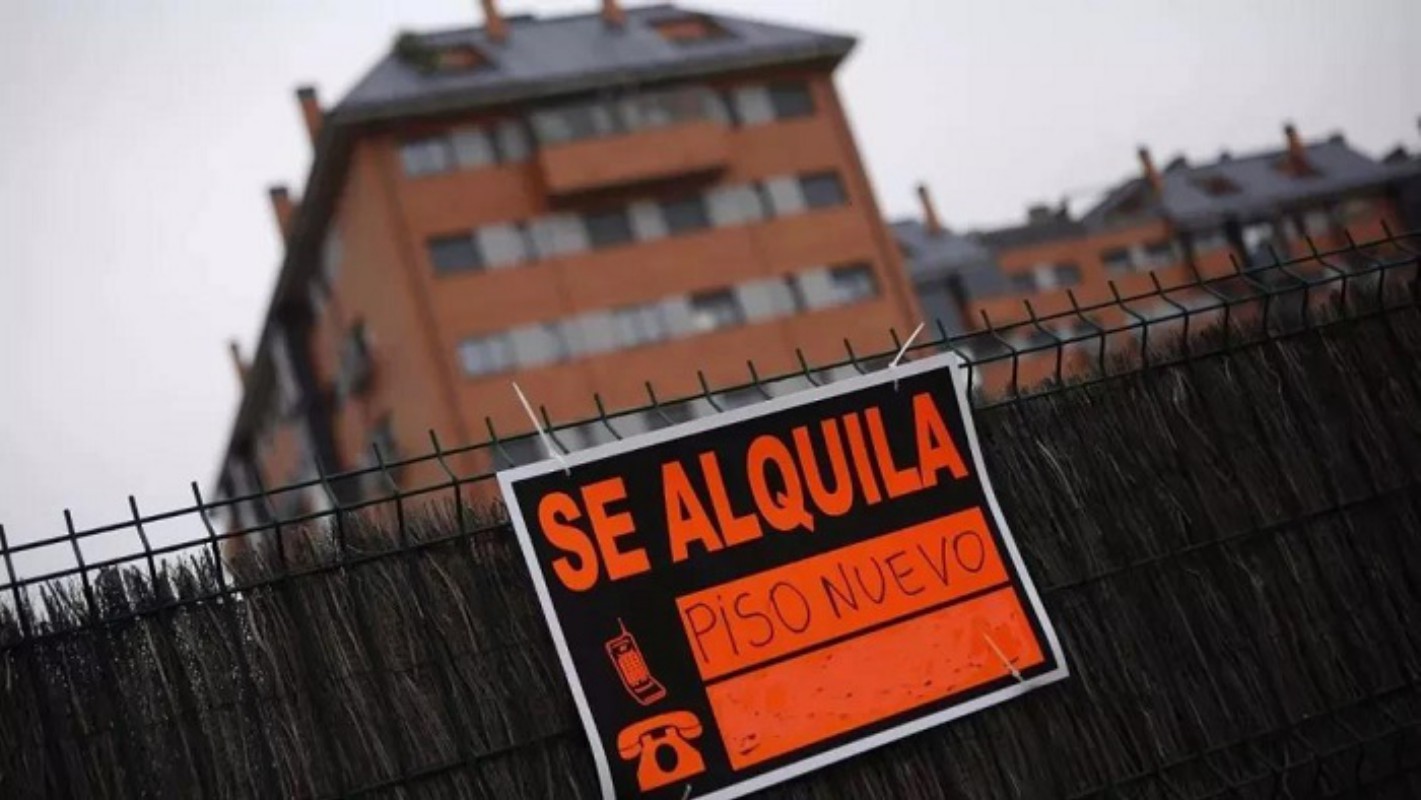
Once you’ve found a property you like and agreed on a price with the owner or agent, you’ll typically sign a reservation agreement (contrato de arras o señal) and pay a small deposit, usually a few thousand euros. This fee is to take the property off the market so the owner stops showing it to other potential buyers. It’s crucial at this stage to carefully review the terms of the agreement, especially regarding whether the deposit is refundable!
- For Buyers: Verify that the property is free of debts, such as unpaid community fees or utility bills. You should request the latest property information report (Nota Simple) from the seller, and be aware of special cases like an inherited property transfer.
- For Sellers: Have the basic documents ready, such as the property deed (Escritura) and the Energy Performance Certificate (Certificado de Eficiencia Energética).
Step 2: Signing the Private Purchase Contract (Contrato Privado de Compraventa)
This is the most critical step! After the reservation agreement, a lawyer will step in to draft the official private purchase contract. At this point, the buyer needs to pay a deposit, typically 10% of the property price. This contract is legally binding. If the buyer backs out, they will lose the 10% deposit. If the seller backs out, they usually have to return double the deposit. Therefore, it is essential to have your lawyer thoroughly review it before you sign
!
During this stage, the buyer must also arrange all necessary funds and apply for an NIE number (Número de Identificación de Extranjero)
, which is a mandatory identification number for any significant transaction in Spain.
Step 3: Signing the Final Deed at the Notary and Closing
With everything in place, it’s time for the final step. The buyer, seller, their lawyers, and any bank representatives will meet at a notary’s office to sign the final public deed of sale (Escritura Pública de Compraventa). In the presence of the notary, the buyer pays the remaining balance, and the seller hands over the keys. Once the documents are signed, congratulations, the property is yours! The notary will then handle the submission of the transaction details to the Land Registry for registration.
| Key Stage | Parties Involved | Main Task |
|---|
| Property Reservation | Buyer, Seller/Agent | Negotiate price, pay a small deposit, secure the property |
| Signing Private Contract | Buyer, Seller, Lawyers for both sides | Pay 10% deposit, define rights and obligations |
| Closing at the Notary | Buyer, Seller, Lawyers, Notary | Pay the final balance, sign the final deed, hand over keys |
Don’t forget about the taxes and fees that arise after the transaction. Buyers are mainly responsible for the Property Transfer Tax (ITP) or VAT (IVA), as well as notary fees, registration fees, etc. Sellers need to consider Capital Gains Tax. These are significant expenses, so be sure to budget for them in advance. The entire process, if everything goes smoothly, typically takes 1 to 3 months. I hope this guide has been helpful, and I wish you all the best in buying or selling your ideal home in Spain!
