It seems like more and more people in the forums are discussing investment immigration and buying property lately, and the atmosphere is quite lively. Seeing everyone so engaged, I can’t help but want to share my own experiences and discuss whether investing in Spanish property is actually a reliable idea. Just a disclaimer: these are purely my personal opinions and do not constitute any investment advice!
My Background and Initial Goal
A few years ago, I came to Spain with my savings. My initial idea was simple. On one hand, I was attracted by the climate and lifestyle, as well as the potential for Spanish property appreciation. On the other hand, I was thinking about whether I could invest by buying property in Spain, which would solve my housing needs, help my money retain its value or even grow, and also sort out my residency status. In the beginning, I was completely clueless, endlessly browsing listings on Idealista and Fotocasa. Everything looked good, yet everything also seemed to have potential pitfalls.
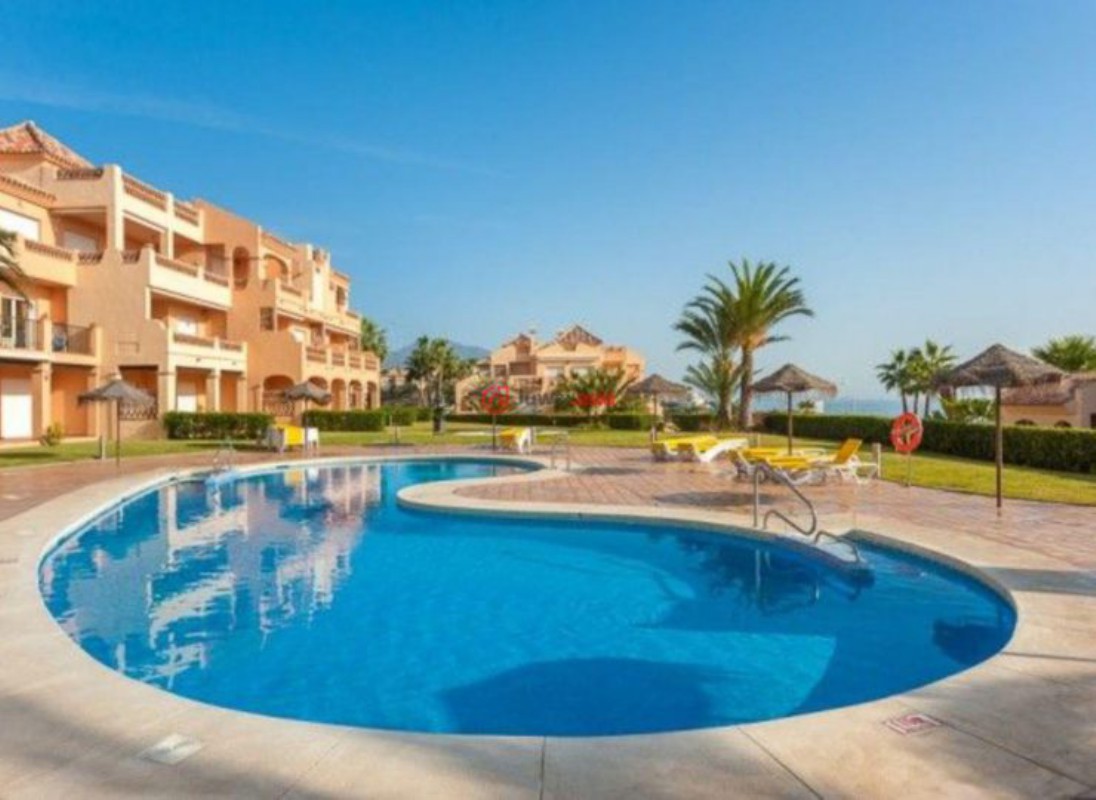
Pitfalls Encountered and Lessons Learned
To be honest, I’ve definitely fallen into a few traps. For example, at the beginning, I was swayed by some agents who recommended ‘high-return’ apartments in tourist areas. The price per square meter was ridiculously high, and they boasted that renting them out would be a breeze. Luckily, I was cautious and decided to visit the local neighborhoods myself. After chatting with neighbors and café owners, I discovered that these types of properties have very high vacancy rates during the off-season and astonishingly high maintenance costs—it was a completely different story. Therefore, on-site visits and independent judgment are absolutely crucial! You can’t just take an agent’s word for it.
Another lesson learned concerns the paperwork and process. The property buying process in Spain is quite complex, involving documents like the property registration certificate, energy performance certificate, community fee statements… not a single one can be missed. I almost bought a property with hidden debts because I didn’t carefully check the Nota Simple. So, hiring a reliable, independent lawyer to oversee the process for you is money you absolutely cannot afford to save. They can help you avoid over 90% of the legal risks.
I’d like to use a simple table to summarize some characteristics I’ve personally observed in different cities, for your reference. Of course, this is just a very rough overview, and specific situations require in-depth research:
| City | Pros | Cons | Investment Focus |
|---|
| Madrid | Economic hub, strong rental demand | High property prices, fierce competition | Long-term rental apartments, small city-center units |
| Barcelona | High international profile, booming tourism | Policy risks, expensive property | Short-term rentals, tourist area properties |
| Valencia | More reasonable prices, high quality of life | Fewer job opportunities than the first two | Owner-occupied + investment, medium to long-term appreciation |
| Málaga | “Sunshine Coast” (Costa del Sol), popular with Northern Europeans | Highly seasonal, outdated facilities in some areas | Retirement properties, holiday apartments |
I believe that investing in property in Spain is reliable, but only if you’ve done your homework thoroughly. It’s not a venture where you can make money with your eyes closed. You need to spend time understanding the market, familiarizing yourself with the regulations, and finding the right professionals to assist you. I hope my sharing has been a bit insightful, and I welcome everyone to join the discussion and share your own experiences and opinions!
