I just moved to Spain and recently received a letter from the Ayuntamiento. When I opened it, it was a notice to pay property tax. I had heard about it before, but I was a bit confused about how much to pay and how it’s calculated. After doing some research, I’m sharing what I’ve learned today, hoping it helps other newcomers.
What Exactly is IBI?
IBI stands for Impuesto sobre Bienes Inmuebles, which directly translates to ‘Tax on Real Estate,’ commonly known as property tax. Whether you own a house, a garage, a commercial property, or a plot of land, if you have real estate in Spain, you must pay this tax annually to the city council (Ayuntamiento) where the property is located. It’s one of the most important sources of revenue for local governments, funding public services like street cleaning, park maintenance, and more, a key aspect of life with a Golden Visa.
How is IBI Calculated?
Calculating IBI isn’t complicated; it’s based on two key figures: Valor Catastral and Tipo Impositivo.
Valor Catastral: This is the official valuation of your property as assessed by the Spanish Cadastre (Dirección General del Catastro). It is usually much lower than the market price and takes into account the value of the land and the buildings on it. You can find this value for your property on the official Cadastre website or in your property documents.
Tipo Impositivo: This is the tax rate, a percentage set by each individual city council. The law establishes a range, and municipalities can decide on their specific rate within this range. This is why you’ll find that even for properties with the same value, the IBI can vary significantly from one city to another.
The calculation formula is: IBI Amount Due = Valor Catastral × Tipo Impositivo
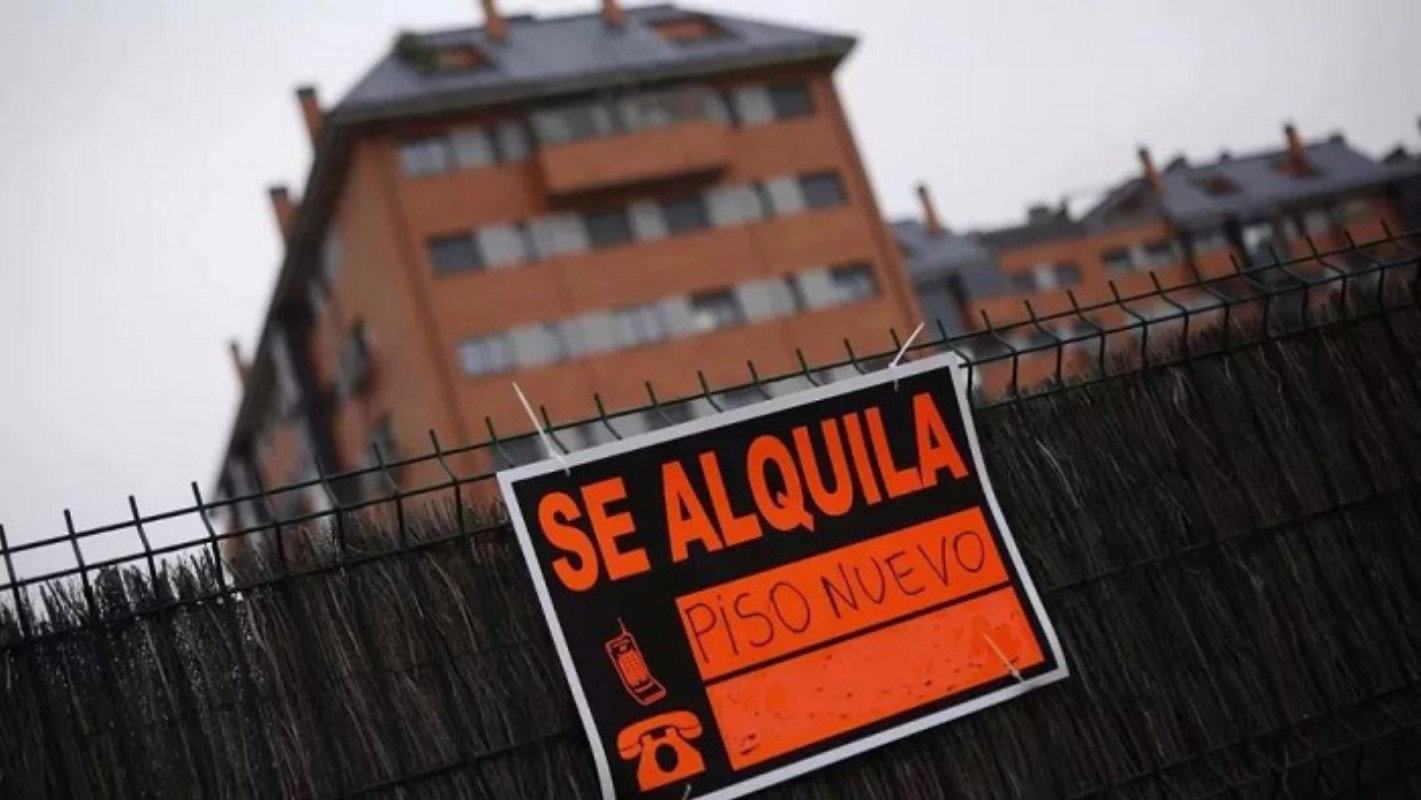
Generally, the tax rates vary between municipalities. I’ve put together a rough guide for your reference:
| Property Type | Tax Rate Range |
|---|
| Urban Property | 0.4% - 1.10% |
| Rural Property | 0.3% - 0.90% |
For example, Madrid’s tax rate is relatively low, while some areas in cities like Barcelona or Valencia might be higher. Therefore, before buying a property, it’s a good idea to check the IBI rate in your target area, as it represents a long-term ownership cost.
Payments and Discounts
The payment period varies by city, but it’s usually during specific months of the year. Some municipalities require a single payment, while others allow for payment in installments. The most convenient method is to set up a direct debit from your bank account to avoid forgetting and incurring late fees. Additionally, there are discount policies for specific situations, such as for large families (familias numerosas) or owners of social housing (VPO - Vivienda de Protección Oficial). You can check the specific application requirements on your city council’s website. A friend of mine has a large family and gets a 50% discount on their IBI, which is a significant saving! I hope this information is helpful, and I welcome experienced residents to add their own tips or corrections below!
