I was recently browsing some Spanish history trivia and stumbled upon a jaw-dropping fact: the Philippines, a country many might not immediately associate with Spain, is home to several ancient universities founded during the Spanish colonial era! The discovery felt as surreal as finding a long-established European institution in the heart of Asia.
University of Santo Tomas
When discussing this topic, you can’t miss the University of Santo Tomas. Founded by Spanish Dominicans in 1611, it is the oldest existing university in Asia and one of the largest Catholic universities in the world. And get this: 1611! That’s a full 25 years before Harvard University was founded in 1636! When I first learned this, I was completely stunned. Just looking at the photos, the rich Spanish architectural style is striking, making you feel as if you’ve been transported to a corner of Seville or Salamanca.
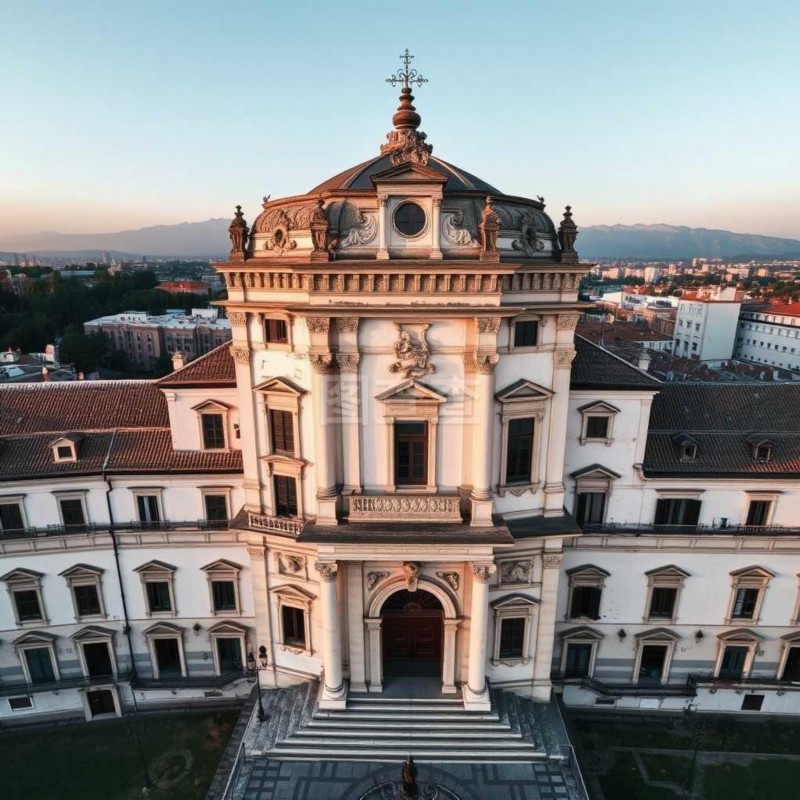
Besides the famous UST, one of the many venerable Spanish universities, Manila has other noteworthy institutions from the Spanish period. For example, the equally historic Colegio de San Juan de Letran, and the Ateneo de Manila University, founded by the Jesuits and now one of the top private universities in the Philippines. Together, these schools form a unique educational legacy left by Spain in the Far East.
I’ve put together a simple table to give you a quick overview of these universities:
| University Name | Founded | Notes |
|---|
| University of Santo Tomas | 1611 | Pontifical university, oldest in Asia |
| Colegio de San Juan de Letran | 1620 | Historic basic education institution |
| Ateneo de Manila University | 1859 | Founded by Jesuits, a top private university in the Philippines |
Seeing all this, one can’t help but marvel at the powerful cultural influence of the Spanish Empire. Over three hundred years of colonial history left behind not only language, religion, and architecture, but also an educational system that endures to this day. Has anyone here been to Manila and seen these campuses full of Spanish flair with their own eyes? Or do you know of any other unexpected Spanish cultural heritage sites scattered around the world?
