As a newcomer to Spain, I’ve recently started house hunting and have been overwhelmed by a bunch of unfamiliar terms and institutions. I keep hearing lawyers and real estate agents mention the ‘Registro,’ saying that everything eventually has to go through them. Out of curiosity, I looked it up and found out that ‘Registro’ is the Property Registry. So, does that make the person in charge the ‘Head of the Spanish Property Registry’?
Actually, that’s a slight misunderstanding. Spain’s property registration system is quite unique; it isn’t one large, centralized government department. Instead, it’s a network of independent property registry offices, each responsible for the properties within its own district. The head of each office is called a Registrador de la Propiedad, which translates to ‘Property Registrar.’ These are the key officials we actually deal with. So, there isn’t a single ‘national’ head, but rather several hundred of these ‘registrars’ located all across the country.
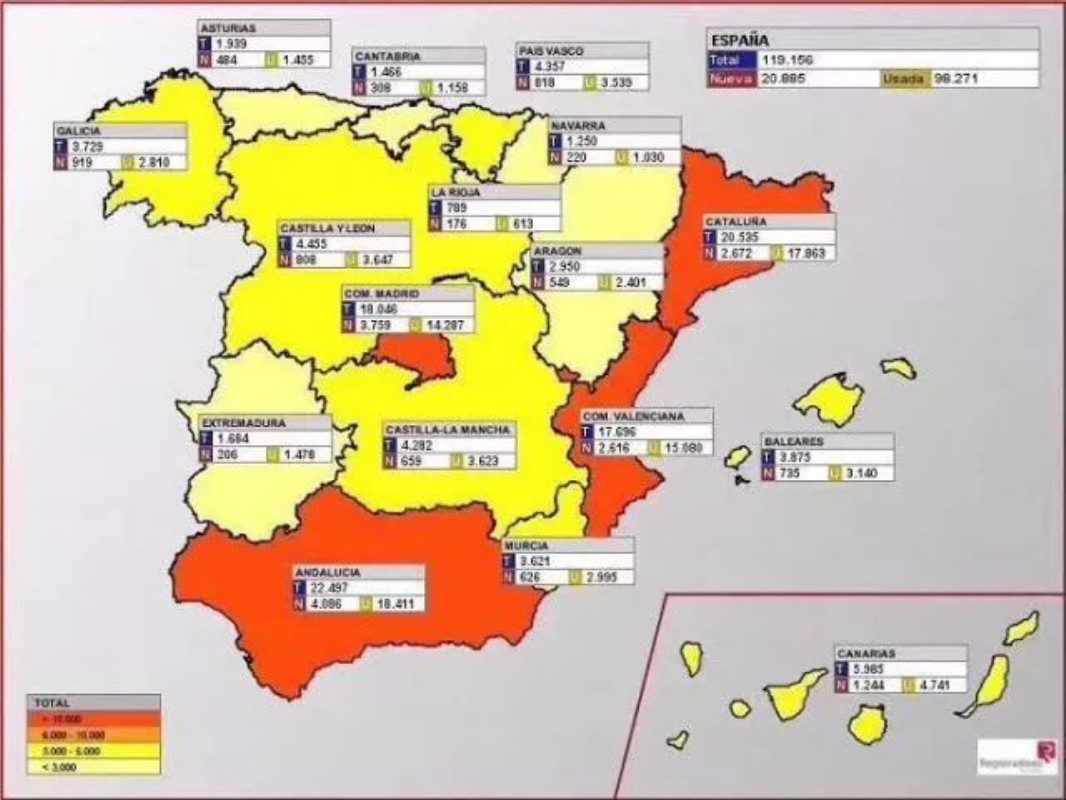
So, what exactly do these ‘registrars’ do, and what about the Nota Simple? Their authority is quite significant. In simple terms, they act as both a notary and a final auditor in property transactions. Whether it’s a sale, inheritance, or mortgage, all documents related to ownership changes must be reviewed and registered by them to be legally effective. They meticulously examine the legality of contracts and ensure the property is free from liens, debts, or other disputes. Only after they have signed, stamped, and entered the new property information into the system do you become the legal owner of the house. While the process can sometimes feel slow, it’s the most crucial line of defense for protecting a buyer’s rights.
Key Interactions with the Property Registry
For ordinary people buying property, dealings with the Property Registry typically involve the following:
Requesting a Property Information Report
This is the most common task. Before buying a property, it is essential to have your lawyer request, or to request yourself, a Nota Simple. This document clearly tells you:
- Who the legal owner of the property is.
- The official details of the property, such as its size and boundaries.
- Whether there is an outstanding mortgage on the property.
- Whether the property has been seized by a court or has other restrictions.
Don’t underestimate this document, which costs just a few euros; it can save you from countless pitfalls. I heard about a friend who found a great deal on a property, but a quick check of the Nota Simple revealed several seizure orders from creditors. Thankfully, they checked, or their down payment would have gone down the drain.
Here is a simple table I’ve put together to compare the different stages and their relationship with the Property Registry:
| Stage/Action | Key Document/Operation | Purpose |
|---|
| Before Buying | Requesting a Nota Simple | To understand the property’s background and eliminate risks |
| After Signing the Contract | Signing the Escritura at the notary’s office | The document will be sent to the Property Registry by the notary |
| Final Transaction Step | Inscripción en el Registro | The registrar reviews and enters the new owner’s information, completing the transfer |
Although we may never meet these so-called ‘Property Registrars’ in person, they work behind the scenes to ensure the order and security of the entire Spanish real estate market. Understanding their role and making good use of the services they provide is undoubtedly beneficial for anyone settling down and buying property in Spain. If you have any interesting stories or pitfalls from dealing with official bodies during your property-buying journey, feel free to share and discuss them!
