Have you ever had this experience after just arriving in Spain? You head to the supermarket to get some chocolate to satisfy your cravings, but then you find yourself lost in front of the shelves. Terms like ‘con leche’, ‘negro’, and ‘a la taza’ seem familiar on their own, but when they’re put together, their meaning isn’t so clear anymore. Today, let’s explore the different types of chocolate you’ll find in Spain, so next time you shop, you won’t have to worry!
First, let’s start with the basics. Chocolate, of course, is simply called Chocolate. But Spaniards are very particular about their chocolate, so you’ll see it split into many types. The three most common are:
- Chocolate Negro: This is dark chocolate, with ‘negro’ meaning ‘black’. It’s perfect for those who love an intense cocoa flavor and prefer something not too sweet.
- Chocolate con Leche: This is milk chocolate, with ‘con leche’ translating to ‘with milk’. It’s the most popular variety, known for its smooth and sweet taste.
Chocolate Blanco: White chocolate—no extra explanation needed here!
Once you understand these three, you’ll rarely make a mistake when buying chocolate.
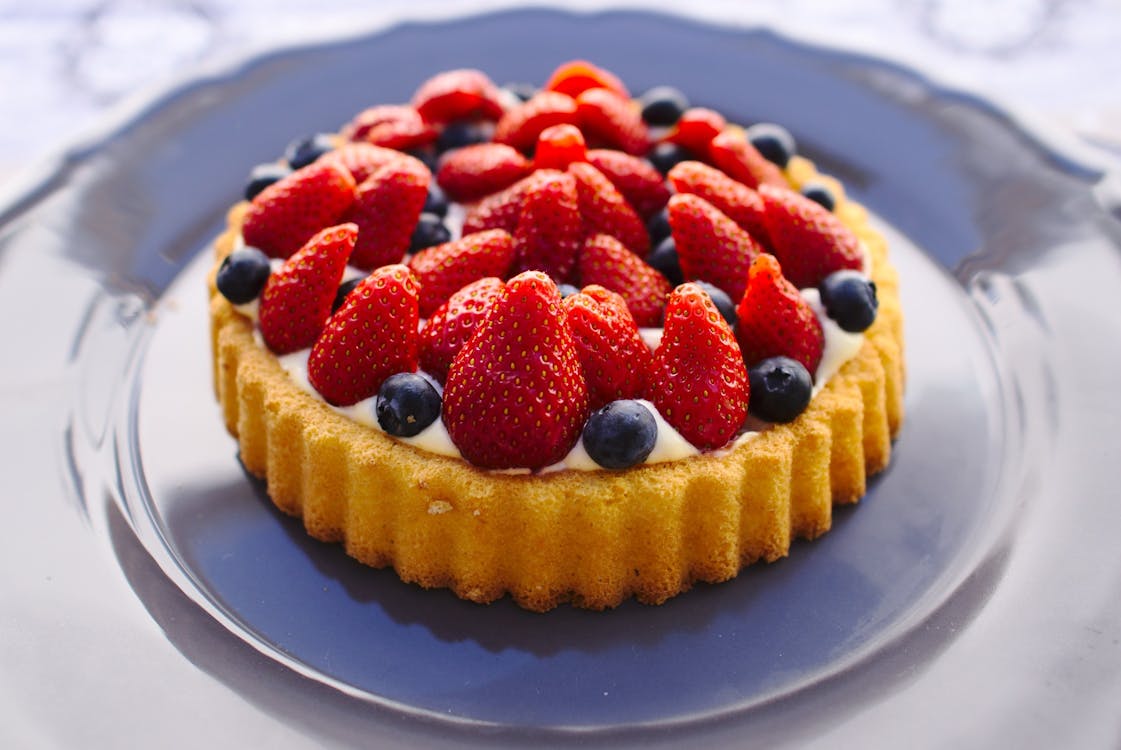
But if there’s a chocolate that really sets Spain apart, it has to be Chocolate a la taza! Literally translated as “chocolate in a cup”, but don’t confuse it with the watery hot cocoa you might be used to. The Spanish version is something you actually eat! Its texture is extremely thick, like melted chocolate sauce, and it’s usually served with Spanish doughnuts——or sponge cake—. On a cold winter morning, having some Chocolate con Churros is pure bliss!
Besides these types such as Spanish chocolate Churros, the supermarket shelves are full of different brands. Here are a few well-loved Spanish chocolate brands you can look for. Leading the pack is Valor, a century-old brand well-known for great quality, especially their dark chocolate and a la taza series. Another great brand is Trapa, which is famous for being great value and offering a wide range of flavors. If you’re shopping for children, check out Lacasa; their “Lacasitos” candies—Lacasitos—are as beloved in Spain as M&M’s are elsewhere.
To make things even easier, here’s a basic chart you can save and use as a reference when you shop:
| Spanish Name | Meaning | Common Pairing/Features |
|---|
| Chocolate Negro | Dark chocolate | Eat directly, or use in baking |
| Chocolate con Leche | Milk chocolate | Most common snacking chocolate |
| Chocolate a la taza | Thick hot chocolate | Paired with Churros or Bizcochos |
Once you know these essentials, you’ll have no issues buying chocolate in Spain. Do you have any secret favorite brands or unique ways to enjoy chocolate? Feel free to share in the comments below—let’s discover even more sweet delights from Spain together!
