When I first arrived in Spain, my Spanish was basically limited to ‘Hola’ and ‘Gracias.’ I had to point at menus to order food, and the feeling of awkwardness and helplessness was overwhelming. After a lot of trial and error, I learned things the hard way and eventually developed a self-study method that’s perfect for adults, especially those of us juggling work and studies. I’ve organized it all here to share with anyone struggling to learn Spanish.
The core philosophy of this plan is: focus on listening and speaking first, with grammar to follow, all driven by daily practical use. Don’t just bury your head in a thick grammar book from day one—that’s the quickest way to give up. Language is for communication, so the most important thing is to get yourself speaking and listening first to build confidence!
My Spanish Self-Study Plan
This schedule is quite intensive, so feel free to adjust it based on your own time and energy. The key is to ensure you have some contact with Spanish every day, even if it’s just listening to a song or watching a short video.
Stage 1: Pronunciation and Basic Expressions
- Goal: Master all the letters and pronunciation rules, especially the rolled ‘R’. You’ll self-study Spanish to learn basic greetings, self-introductions, numbers, telling time, etc.
- Core Textbook: I recommend the first volume of a series like Español Moderno, or any beginner textbook that focuses heavily on pronunciation. Supplement it with pronunciation tutorials on YouTube.
- Supplementary Tools: Duolingo or Memrise. Spend 15 minutes a day reviewing vocabulary to reinforce your memory.
- Practice: When you’re at the supermarket checkout, be brave and say ‘Hola, ¿qué tal?’ and ‘Adiós’ to the cashier. Taking that first step is crucial!
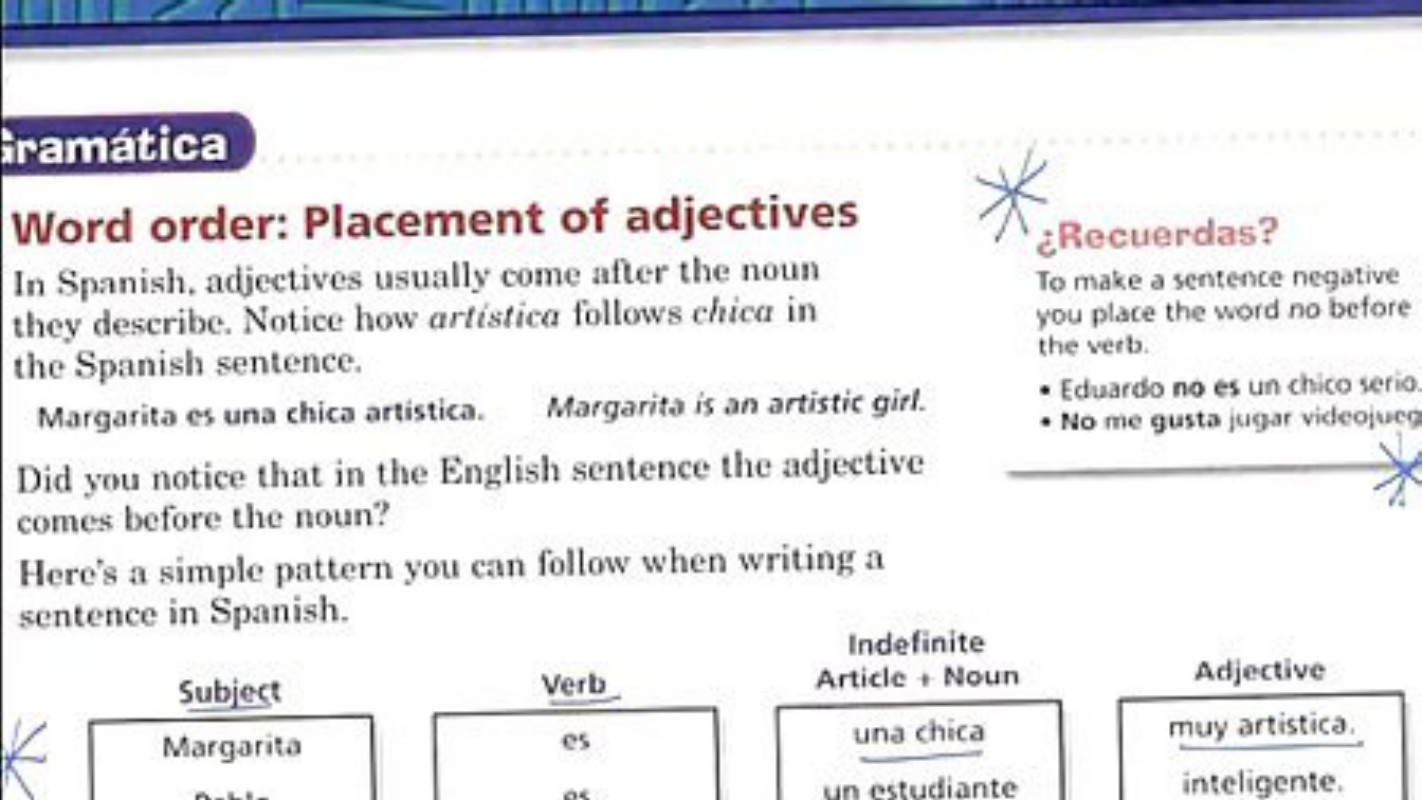
Stage 2: Grammar Framework and Daily Conversation
This stage is key to building a solid foundation. You’ll encounter core Spanish grammar points like the difference between ser and estar, present tense conjugations, pronouns, and more. It can be a bit tedious, but you have to master it!
| Focus Area | Recommended Resources | Practice Method |
|---|
| Verb Conjugation | WordReference App | Handwrite the present tense conjugations of 5 common verbs daily |
| Listening Comprehension | Podcast: Coffee Break Spanish | Listen during your commute and try to repeat simple sentences you hear |
| Speaking Practice | HelloTalk | Find a language exchange partner, send a few voice messages each day about the weather or your hobbies |
Stage 3: Expanding Tenses and Real-World Application
Once you’ve mastered the present tense, it’s time to tackle the ‘final boss’ of Spanish: the various past tenses. Don’t be intimidated; they are much easier to understand when you place them in specific contexts.
For instance, you can try writing a diary in Spanish, getting started with Spanish by describing ‘what you did yesterday’ and ‘what you used to do as a child.’ Also, watch more shows with Spanish subtitles, like La Casa de Papel. At first, learning Spanish on your own this way might feel like it’s all going over your head, but if you stick with it, you’ll find yourself understanding more and more words and sentences. The sense of accomplishment is incredible!
There are no shortcuts in language learning, only persistence. I hope this little guide can serve as a starting point for your Spanish journey. ¡Mucho ánimo!
