Hello everyone! I’ve been a lurker here for a long time and decided to finally make a post. I recently passed the DELE A2 exam, and I figured many others on this forum might be preparing for it too. I wanted to start a thread to share my experience as a completely self-taught student. I hope it can help you all, and I welcome any tips or additions from more experienced members.
Why Take the A2 Exam
Many people might think the Spanish A2 level is easy, but for me, it was more than just a key requirement for applying for long-term residency in Spain; it was also a way to measure my own progress. Having a clear goal makes studying much more motivating. Plus, the certificate you get from studying Spanish on your own for the A2 exam is valid for life, so it’s definitely a worthwhile achievement.
My Study Plan
I studied completely on my own and spent about 3 months of focused preparation. Since I have a full-time job, my study time for the Spanish A2 exam was quite fragmented. I divided my focus into four key areas, which correspond to the four parts of the exam: listening, speaking, reading, and writing. Here’s a rough breakdown of my daily schedule:
| Skill Area | Daily Study Time | Main Tools/Methods |
|---|
| Reading | 30 minutes | ELE Actual A2, mock exams |
| Listening | 45 minutes | Cronómetro exercises, Spanish YouTube channels |
| Writing | 20 minutes | Imitating sample texts, writing my own short essays |
| Speaking | 20 minutes | Practicing in front of a mirror, using language exchange apps |
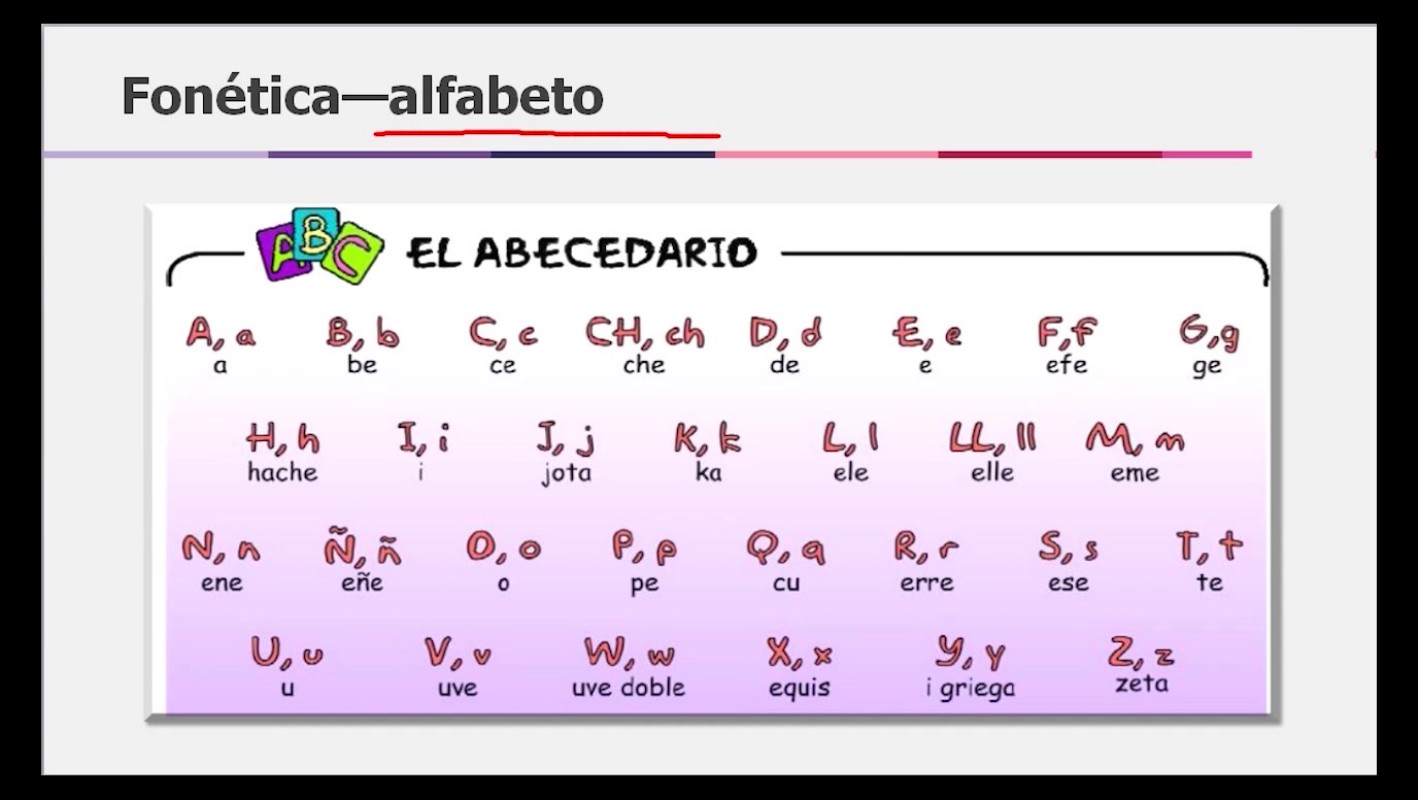
Recommended Resources and Tools
For textbooks, I mainly used ‘ELE Actual A2’. The content is very practical and relevant to daily life, and the grammar explanations are clear. For the final push before the exam, I used ‘Preparación al DELE A2’. The mock exams in it are extremely important—make sure you do them! For listening practice, I recommend a series called ‘Cronómetro,’ as its difficulty is very similar to the real exam. Additionally, watching simple Spanish cartoons or vlogs from YouTubers regularly is a great help for developing a feel for the language and understanding everyday conversations. When it comes to speaking, there are no shortcuts—you just have to speak a lot! I downloaded a few language exchange apps. Although I didn’t find a regular partner, chatting with people intermittently still helped me build confidence.
A Few Quick Tips
Finally, here are a few personal tips that I think are quite important:
- Vocabulary is fundamental! Make it a habit to learn new words every day. You don’t need to learn many at once, but consistent review is key.
- In the speaking test, don’t be afraid to make mistakes. The examiners care more about your willingness to speak and communicate.
- For the writing section, familiarize yourself with the common formats for letters and messages. Using connecting words effectively will make your writing much more structured and clear.
- Before the exam, be sure to check the official website for the latest exam procedures and question formats. Don’t rely on outdated materials.
That’s all I can think of for now. I hope it helps! How are you all learning Spanish? Feel free to share your own tips and methods in the comments below!
