Having just moved to Spain, I’ve noticed many friends here can hold basic conversations, but their pronunciation is a major issue—you can hear a strong foreign accent as soon as they speak, haha. I also started learning from scratch and made my fair share of mistakes with pronunciation. Today, I want to share some fantastic Spanish pronunciation books I’ve used, hoping to help fellow beginners or anyone looking to correct their accent.
At first, I thought, ’It’s just a few letters, I can just follow along with videos.' I quickly realized it’s not that simple at all! For instance, the rolled r and rr, the difference between b and v, and the nuances of voiced and voiceless consonants are really easy to mix up without proper guidance. A good textbook systematically clarifies these points, making it much more efficient than patching together information from random free videos.
My Recommended Pronunciation Books
1. “Modern Spanish” (Xiandai Xibanyu)
This book is considered the ‘bible’ for Chinese learners of Spanish. Although it’s a comprehensive textbook, the first few units of Volume 1 provide a very systematic and solid explanation of pronunciation. It clearly covers everything from the pronunciation rules for each letter to syllable division and stress rules. The downside is that its approach to Spanish pronunciation can be a bit academic, but as a foundational first book, it’s absolutely the No.1 choice.
2. “Correcto: A Practical Guide to Spanish Grammar and Pronunciation”
This book is in English, but its content is incredibly practical. It doesn’t just cover pronunciation; rather, it connects Spanish pronunciation with grammar, explaining why a word is pronounced a certain way in a specific context. For learners with a decent foundation in English, it offers a different perspective on the logic of Spanish sounds. The section on intonation, in particular, is more detailed than in many other books.
3. Online Resources and Apps
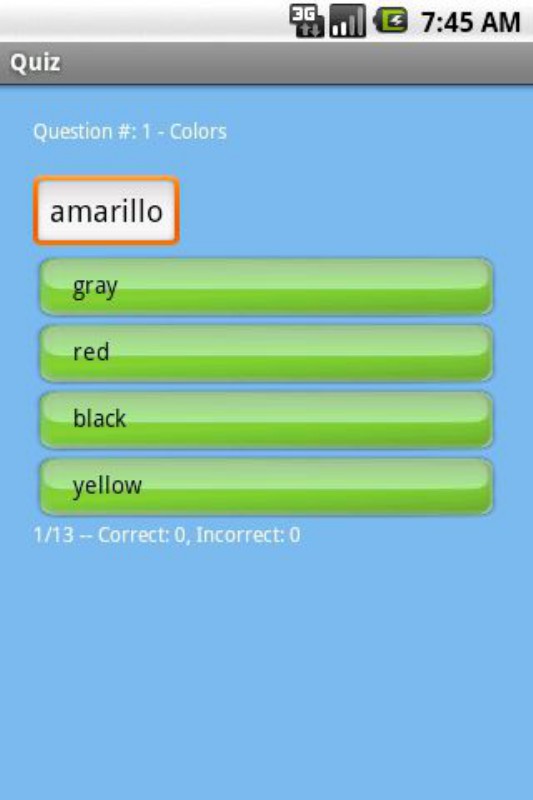
Besides books on Spanish pronunciation, many apps today are also quite good. For example, Duolingo and Memrise have speaking features that provide instant feedback on your pronunciation. However, it’s important to remember that apps are best for supplementary practice and vocabulary building. For a systematic understanding of pronunciation rules, textbooks are still essential. I’ve put together a simple comparison for your reference:
| Learning Method | Pros | Cons |
|---|
| Textbooks | Systematic, clear rules | Can be dry, lacks interaction |
| Video Courses | Engaging, visual mouth-shape demos | Varying quality, often unstructured |
| App Practice | Interactive, provides instant feedback | Focuses on practice, weak on theory |
To truly master Spanish pronunciation, the key is to choose the right textbook and consistently practice shadowing and imitation. Don’t be afraid to speak, even if you don’t sound perfect at first. The more you practice, the more agile your tongue will become. Do you have any other useful pronunciation books or learning methods? Feel free to share them in the comments below!
