Lately, I’ve seen many new friends on the forum asking if they should take a class in their home country before coming to Spain, or just wait until they get here. It seems the biggest question on everyone’s mind is: Is it actually possible to learn Spanish on your own? As someone who muscled my way through with apps and online courses, a ‘wild’ learner if you will, I want to share my thoughts and some practical tips to help those who come after me.
My Answer: Yes, But with a Catch
Let’s get straight to the point: It’s absolutely possible to teach yourself the basics, and even reach a decent level! But it’s not as simple as just watching shows or listening to music. Self-studying Spanish truly tests two things: strong self-discipline and the right methodology. If you’re inconsistent or choose the wrong learning path from the start, it’s very easy to go from beginner to quitter. I have friends who bought a full set of textbooks and a year later are still stuck on ‘Hola, ¿qué tal?’.
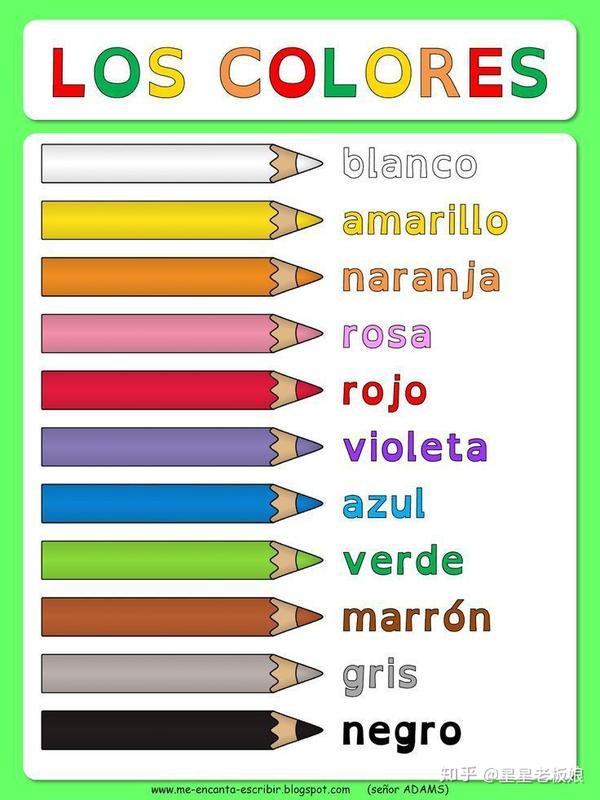
How I Broke Down My Self-Study Stages
I personally divided my learning process into a few stages. You can use this as a reference to see where you are:
Stage 1: Pronunciation and Basic Grammar
This is the most tedious but also the most crucial step in self-studying Spanish. You have to grind through the fundamental rules: letter sounds, the rolled ‘Rrrr’, verb conjugations, gendered nouns, and so on. At this stage, I highly recommend following a structured video course, like the many free teaching channels on YouTube, or finding a reliable app and checking in at a set time every day. Don’t try to rush it; building a solid foundation is more important than anything.
Stage 2: Building Vocabulary and Applying it in Context
Once you have the basics down, it’s time to aggressively expand your vocabulary! While memorizing words, it’s essential to associate them with real-life scenarios. For example, after learning food-related words, imagine a conversation ordering at a restaurant. I used a spaced repetition app like Anki, which worked wonders for me. At the same time, start watching cartoons or children’s shows with Spanish subtitles; the speech is slower and the vocabulary is simpler.
Stage 3: Immersive Improvement and Speaking Practice
By this stage, you can handle daily conversations. Now, you need to find ways to create an immersive environment for yourself. Listen to Spanish podcasts, watch Spanish shows without subtitles, and maybe even find a language exchange partner. The most crucial part is to start speaking! Even if you stumble and make a ton of mistakes, you have to force yourself to produce the language. I’ve put together a simple comparison of resources for learning Spanish on your own, all of which I’ve personally used:
| Resource Type | Pros | Cons |
|---|
| Mobile Apps | Gamified learning, uses spare moments | Weak on grammar structure, best for beginners |
| Online Courses | Systematic, with instructor explanations | Requires payment, high demand on self-discipline |
| YouTube Channels | Free, wide variety of content | Knowledge can be scattered, requires self-organization |
| Language Partners | Real-life speaking practice | Partner isn’t always a good teacher, scheduling can be tough |
Learning Spanish on your own is a marathon, not a sprint. Find a rhythm and method that works for you, and stick with it—you will definitely see results. I hope my experience gives you a bit of confidence. Feel free to share your own learning methods and the pitfalls you’ve encountered!
