I’ve been in Spain for almost half a year, and it feels like I’m battling Spanish vocabulary every single day! I wonder if anyone else has the same problem: you spend all day painstakingly memorizing words from a book, only to wake up the next morning having forgotten half of them. I feel like I have the memory of a goldfish, and it’s honestly so frustrating!
It’s especially bad when I’m at the supermarket or chatting with my neighbors. I know I just learned a word yesterday, but when I need it, it’s on the tip of my tongue and just won’t come out. I end up awkwardly gesturing or pulling out my phone to use a translator, which feels terrible. Sometimes, it even makes me wonder if I’m just not cut out for learning languages…
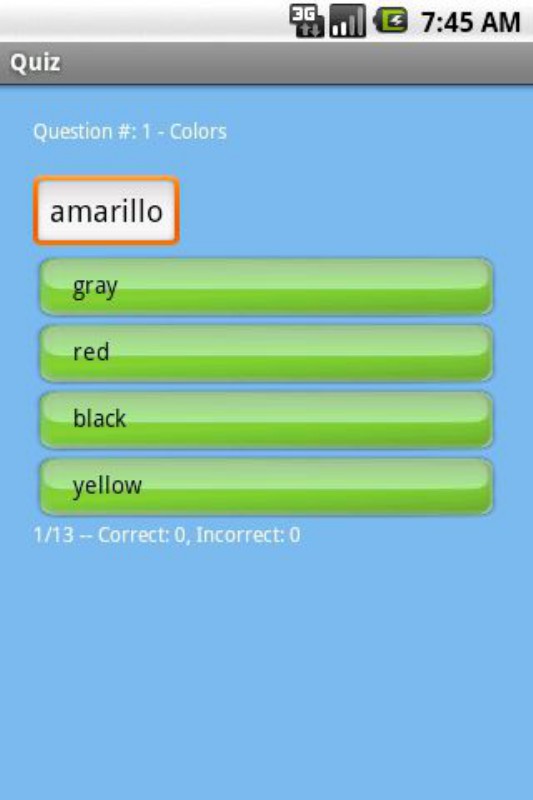
But complaining aside, life goes on, and so must the language learning. I’ve recently been looking into some memory techniques and, combined with my own experience, I’ve put together a few methods that I’ve found quite useful. I wanted to share them in hopes of helping others who are in the same boat. If you have any better methods, please share them in the comments!
My Vocabulary Rescue Plan
1. Ditch Rote Memorization, Try the Ebbinghaus Forgetting Curve
I realized my biggest mistake was only reviewing words once. Then I learned about the “Ebbinghaus forgetting curve,” which basically states that we forget things rapidly at first, and then the rate of forgetting slows down over time. Therefore, we need to review information just as we’re about to forget it. I created a simple review schedule for myself, and it’s been working quite well:
| Review Point | Time Interval |
|---|
| 1st Review | 20 minutes after learning |
| 2nd Review | 1 hour after learning |
| 3rd Review | 9 hours after learning |
| 4th Review | 1 day after learning |
| 5th Review | 2 days after learning |
| 6th Review | 1 week after learning |
2. Let an App Handle the Schedule - Anki
Following the schedule above manually can be a bit of a hassle, so I started using an app called Anki. It’s a flashcard tool for memorizing things like Spanish vocabulary that automatically schedules your next review based on how well you know each word. This way, I don’t have to worry about what to review and when; I just follow its daily plan. I add words from my textbook and new words I encounter in daily life, and spending just 15 minutes a day with it feels much more effective than just reading a book.
3. Create Context to Make Words Come Alive
Lastly, and I think this is the most important point, is to actually “use” the words. For example, after learning the words for fruits, I’ll deliberately avoid using my phone the next time I’m at the supermarket and force myself to recall how to say manzana, naranja, and plátano. It can be a little nerve-wracking, but once you successfully say a word out loud, it’s as if it gets etched into your brain, making it hard to forget. Connecting new vocabulary to real-life situations is more effective than memorizing it from a book a hundred times.
Learning a language is a long process that requires a lot of patience, especially for us adults. Let’s all keep encouraging each other, and hopefully, we’ll all be able to communicate fluently in Spain soon! ¡Ánimo a todos!
