Having just moved to Spain, I quickly realized that not knowing Spanish makes everything incredibly difficult; even a simple trip to the supermarket becomes a struggle. Signing up for a class wasn’t ideal due to the inflexible schedule and high cost. So, after looking into some Spanish A1 textbooks, I decided to start self-studying from the A1 level. After some trial and error, I’ve figured out a free learning path that works for me, and today I’m sharing it with you all. I hope it can help others on their self-study journey.
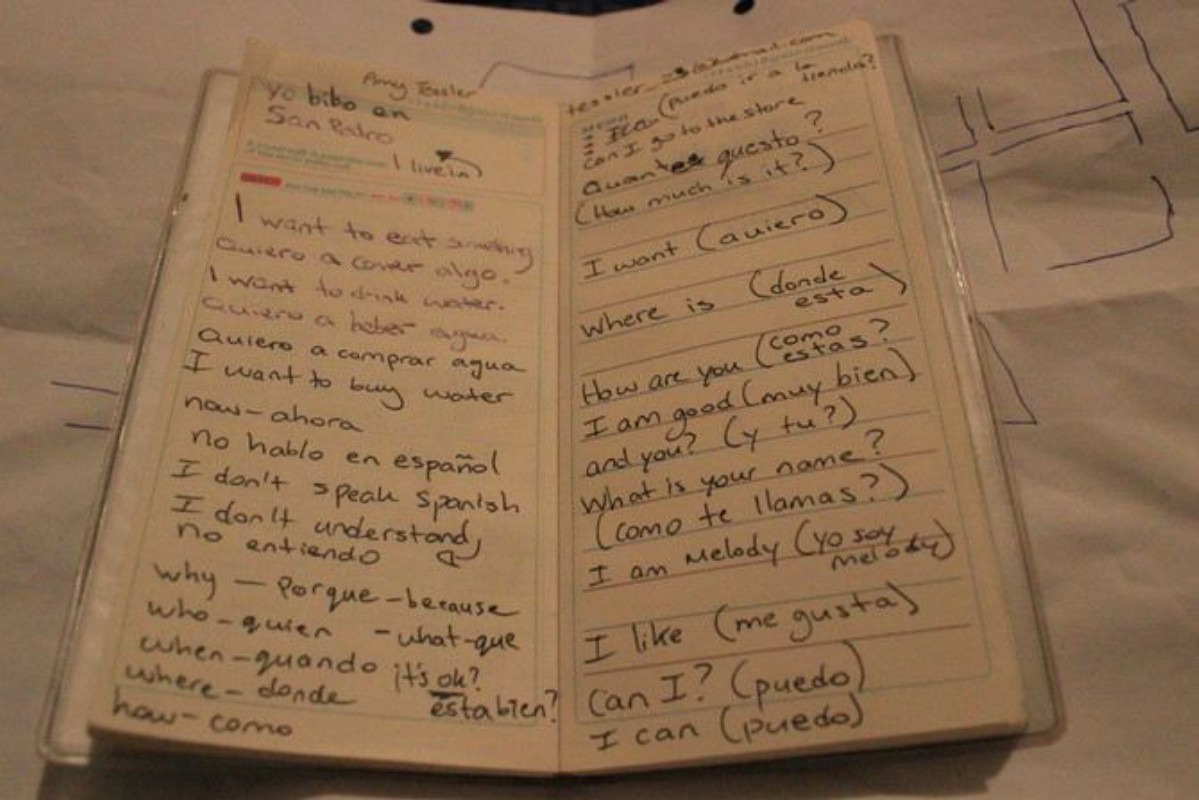
My List of Free Resources
There are so many resources online it can be overwhelming. After trying out many, I’ve narrowed it down to a few that I found most practical and effective. The best part? They are completely free!
YouTube Channels: I highly recommend Español con Juan and Butterfly Spanish. Juan is very humorous, and his videos explain grammar and culture using slower-paced speech and simple vocabulary, which is perfect for beginners. Ana from Butterfly Spanish explains grammar points, especially verb conjugations, with incredible clarity that makes everything click.
Learning Websites: Loecsen has a vast collection of common phrases and words with audio pronunciation, making it great for listening practice and shadowing. It’s a great supplement while studying for the DELE A1. And of course, everyone knows Duolingo. It’s good for memorizing vocabulary and doing quick exercises during your spare time; its gamified approach keeps it from getting boring.
Dictionary Apps: For anyone self-studying Spanish, SpanishDict is the most powerful Spanish-English dictionary I’ve used. It offers not just definitions but also verb conjugation tables, example sentences, and pronunciation. It’s incredibly comprehensive. WordReference is another excellent option; its forums are full of discussions about a word’s subtle nuances, which is great for more advanced learners.
Personal Study Tips and Methods
Having resources is not enough; the right methods are also crucial. I’ve summarized a few tips:
- Don’t get bogged down in grammar. At the A1 level, the most important thing is to develop a feel for the language and dare to speak. Start with the basics like greetings, self-introductions, and ordering food. Memorize sentences for these scenarios and then find opportunities to use them.
- Use your spare moments. While waiting for the bus or on the metro, open Duolingo to review some words or listen to a short audio clip on Loecsen. A little bit of practice every day adds up, and you’ll see significant progress within a month.
- Set small, achievable goals. For example, this week’s goal could be to learn numbers 1-100, and next week’s could be to master the present indicative conjugations of all regular verbs. I made a simple study plan for myself, and checking off each completed task feels very rewarding.
Here’s a part of my study plan for the first month, which you can use as a reference:
| Week | Focus | Goal |
|---|
| Week 1 | Alphabet pronunciation, basic greetings, uses of ser/estar | Be able to give a simple self-introduction |
| Week 2 | Numbers, days of the week, months, gender of nouns | Be able to ask for and state dates and prices |
| Week 3 | Present tense conjugation of regular AR/ER/IR verbs | Be able to describe simple daily activities |
| Week 4 | Common prepositions, expressing likes/dislikes | Be able to describe the location of objects and personal preferences |
Self-studying Spanish A1 isn’t really that hard; the key is consistency. I hope my experience gives you some confidence and help. Do you have any other great free resources or study tips? Feel free to share them in the comments below! ¡Ánimo a todos!
