Hey everyone, I just moved to Spain not long ago and quickly realized that language is the first real hurdle to integrating into local life. I took some classes back home, but I was never consistent. Being forced by the environment here finally gave me the determination to start learning systematically from scratch. Today, I want to share the basic self-study methods for adults that I’ve figured out, hoping to help others who are also at the beginning of their journey.
Get in the Right Mindset, Find the Right Method
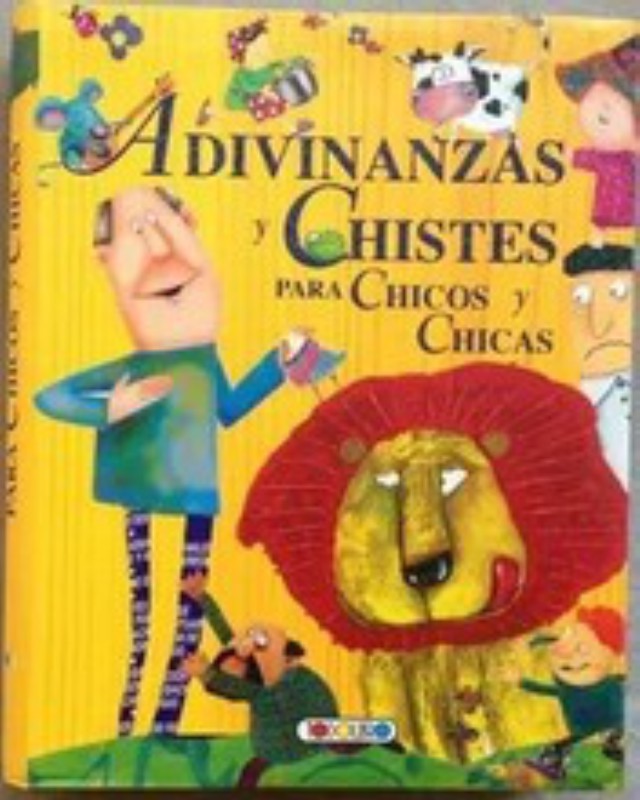
As adults, our memory might not be as sharp as a child’s, but we have stronger comprehension and logical skills. So, don’t get stuck thinking, “I’m too old for this.” The key is to find a method that works for you. I personally don’t recommend cramming vocabulary from day one; it’s boring and easy to give up on. My advice is to “focus on listening and speaking first, with reading and writing to follow.” Start by getting familiar with the sounds of the language. Even if you don’t understand, just listen a lot. Watching kids’ cartoons in Spanish or listening to slow-paced Spanish songs are great options.
Basic Pronunciation is Crucial
Spanish pronunciation is relatively consistent; each letter generally corresponds to one sound. Once you learn the rules, you can pronounce any word you see. This is the biggest advantage for beginners! Never try to apply English phonetics. Practicing the rolled rr is especially important. While you won’t master it overnight, you have to practice it every day. You can try holding a little water in your mouth, tilting your head back, and making a “gargling” sound to get the feel for it. Here are a few sounds I’ve found that beginners often mix up, which you can focus on:
| Letter/Combination | Similar Sound | Key Point |
|---|
| C (before e, i) | Like ‘th’ in ‘thin’ | Castilian pronunciation; sounds like ‘s’ in Latin America. |
| G (before e, i) | Like a harsh, throaty ‘h’ | A sound made with friction in the back of the throat. |
| J | Like a harsh, throaty ‘h’ | Same sound as ‘g’ before ‘e’ and ‘i’. |
| LL / Y | Like the ‘y’ in ‘yes’ | Pronunciation varies by region, but this is a common one. |
| Ñ | Like the ‘ny’ in ‘canyon’ | Should be a distinct nasal sound. |
Useful Tools and Resources
Self-study is impossible without good tools. For mobile apps, I recommend Duolingo for memorizing words and getting used to sentence structures in your spare time. For systematic grammar learning, you can check out resources like this guide on learning Spanish on your own or free tutorial videos on platforms like YouTube, many of which are very detailed. Also, I highly recommend the ‘Modern Spanish’ textbook series. Although it’s a bit old, its system is very comprehensive and great for self-study. When you come across a word you don’t know, use the SpanishDict website or app. It’s incredibly thorough, providing definitions, verb conjugations, example sentences, and pronunciation.
Finally, I want to say that learning a language is a long journey; it’s not something that happens overnight. The most important things are to be persistent and to have the courage to speak—even if it’s just about finding the right Spanish textbooks. Even if you only know how to say “Hola, ¿qué tal?”, say it boldly to the cashier at the supermarket or to your neighbors. The more you speak, make mistakes, and get corrected, the more you’ll improve. If you have any good learning methods or apps, feel free to share them in the comments below. Let’s do this together!
